

Introduction / Why This Route Matters
Shipping trade between Malaysia and the United Kingdom has seen a phenomenal growth in recent years due to widening e-commerce collaborations, strong manufacturing export, and intrinsic rise in consumer-oriented products of Southeast Asia. As a Malaysian exporter of electronics, textiles or palm oil derivatives to British markets or a UK based importer of components and finished goods, the logistics of this route is crucial to your bottom line customs duty. This ultimate guide will take you through what is most important: realistic prices, timeframes that you can actually rely on when it comes to transportation, and the types of operational issues that shippers often did not anticipate. You will find out the three major modes of transport, ocean freight, air cargo, and express courier with specific advantages and tradeoffs in shipping from malaysia.
Shipping by ocean is the cheapest option when the volume is large and it is time-consuming, airlines provide speed at a higher cost than the other alternatives customs documents, and express provides the door-to-door option when the shipment is urgent and small cheapest shipping. In this article, we will discuss the cost drivers as well as the full container vs. consolidated deliveries, some of the main shipping routes and ports, sensible expectations of transit, and some practical tips to maximize your budget and delivery times booking process.
What Drives Your Shipping Cost
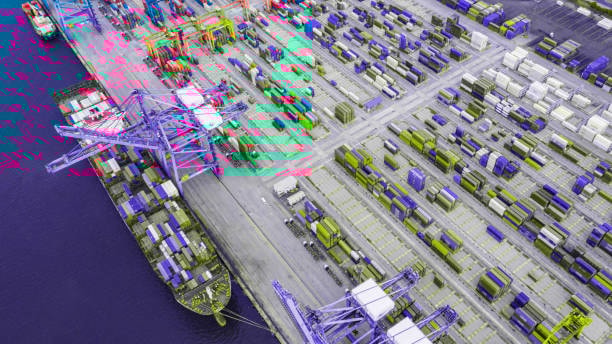
The shipping rates between Malaysia and UK are determined by a complicated system of variables that go way beyond mere distance calculations. The location of your origin in Malaysia is a major factor in pricing- goods shipped out of Port Klang in Selangor tend to be less expensive than those shipped out of Sabah or Sarawak which might need to be moved farther domestically or transshipped. The take up volume and weight; the economies of scale will be in your favor; a 20-foot container will obviously be cheaper per cubic meter than a series of small packages shipping costs shipment’s weight. The first cost difference occurs with mode of transport you choose best shipping rates, where ocean freight is generally between one-fifth and one-tenth of the price of air freight of the same weight international shipping services.
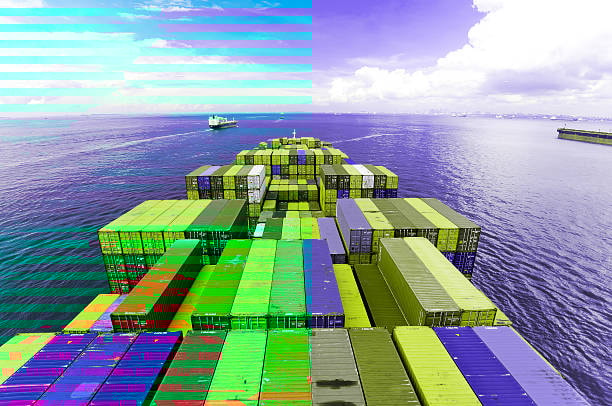
Seasonality is vital, especially throughout high shopping seasons such as the run-up to Christmas when space is limited and airlines charge peak-season supplements start shipping. It is important to have a basic knowledge of the basic difference between Full Container Load (FCL) and Less than Container Load (LCL) – FCL means that you are renting a container all the way, and it provides you with a high-level of security (you have also a good chance of finding cheap rates per cubic meter) whereas LCL allows you to share a container with other shippers and only pay on the number of cubic meters you use express service. The consumer often finds such hidden costs: port handling fees, terminal operations charges, customs clearance fees, documentation fees, delivery to final destination and any demurrage fees that may be incurred in case the containers are not picked up on time prohibited items. The best way to approximate the actual cost of shipping is to collect the accurate cargo information such as dimensions, weight, hs code other factors, the exact pickup and delivery address and then request itemized quotes to the various freight forwarder that will only state the various components of the cost instead of the headline rate customs duties.
Sea Freight: FCL & LCL Options
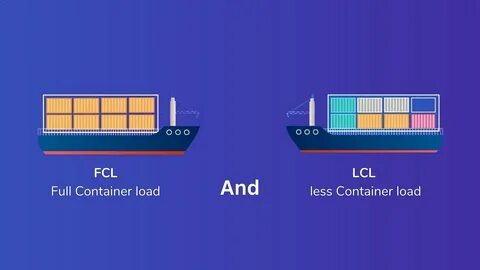
Full Container Load (FCL) shipping involves hiring a single container, usable by one user, either 20-foot or 40-foot, whereby once it is stuffed, it is never touched or mixed with other shipments thereafter. When you are shipping more than 15 cubic meters or more, you can still save on expenses with FCL, however this depends on the type of commodity being shipped and the prevailing rates in the market general rate increases. The benefits are that it is a faster transit because there is no consolidation or deconsolidation delay; it has a lower handling risk and it has a simplified custom clearance due to the single documentation of a shipper. Less than Container Load (LCL) is designed to suit businesses that ship small quantities that do not warrant the purchase of a 20-foot container, so you only pay on a pro rata basis the space you may occupy in a shared container cheapest way. LCL is especially applicable when a new market is being tested, frequent small shipments, or the goods have high value/volume ratios and air freight would become prohibitively costly.
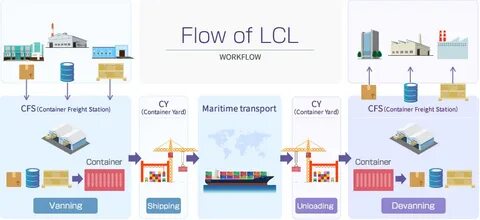
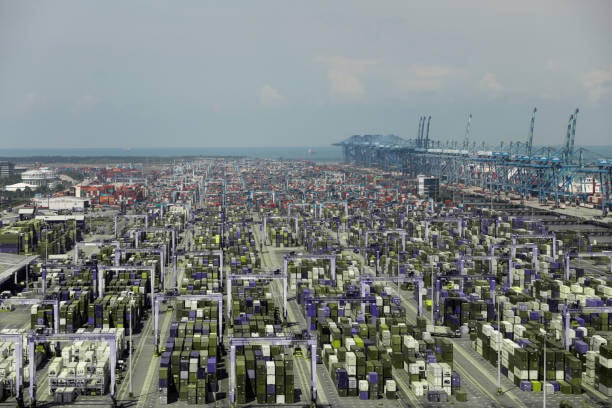
Port Klang, located near Kuala Lumpur and the hub of most of the containerized traffic in the country, is the main export gateway of Malaysia; other major ports include Tanjung Pelepas, Johor; Penang Port, north; and Kuantan Port, east coast shipping from malaysia. The key container terminals in the United Kingdom include the Port of Felixstowe, which deals with about 40 percent of British container traffic, Southampton, an important gateway, especially on the automotive and retail traffic, London Gateway, which provides high-tech facilities and excellent road network, and Liverpool, which can process a large amount of Asian originated traffic flat rate. FCL shipment routing These usually include direct services between Port Klang and Felixstowe with a transit time of 28-35 days or routing across transshipment hubs such as Singapore or Port Said that may require an additional 5-7 days but sometimes have competitive rates pay customs duties. Recent FCL rate guidelines vary widely depending upon the global supply-demand dynamics, yet as of late 2024 and early 2025, shippers may anticipate paying around $1,800-3,500 to transport a 20-foot container and around 2,500-4,800 to transport a 40-foot container on this route, although these rates widely vary depending on market conditions and individual service contracts.
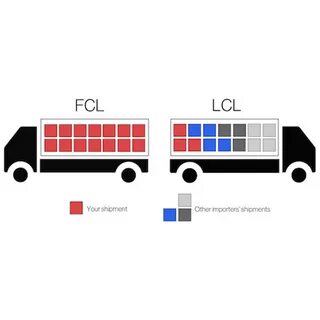
LCL delivery rates are usually based on cubic meter or ton of weight (whichever is higher) at a rate of around $80-180 per cubic meter depending on the volume, commodity and market conditions. Consolidation occurs at Container Freight Stations where freight forwarders consolidate the cargo of multiple shippers into complete containers and deconsolidation occurs at the destination where goods are unbundled and re-packed into final delivery, both add handling time and risk which must be included in your planning.
Air Freight & Express Options
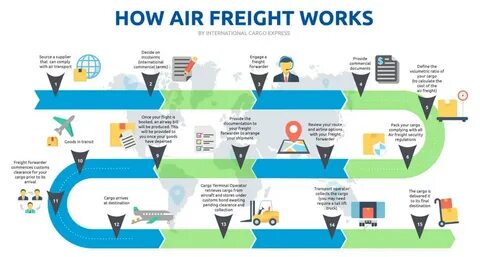
The use of air freight can be justified when time is paramount over cost considerations, especially in urgent orders, product release with a short deadline, expensive electronic items (capital tied up in inventory), perishable, or emergency spares. Air freight between the UK and Malaysia can take between 3-7 days depending on the airport-to-airport link and does not include pickup and final delivery, which may take 2-4 days each way. Airline fees are charged per weight, or, if the item is volumetric (length x width x height in centimeters divided by 5,000), which is the larger of the two, so that a light, but bulky, piece of furniture or a wrapping material is expensive to transport airliners. Air freight costs between the UK and Malaysia usually start between $4-12 per kilogram depending on the size of shipment, commodity being transported, carrier and what the market is willing to pay with the rates generally going down as the weight of the shipment increases beyond 100 kilograms. The international operator express courier services provide the real door to door convenience of dealing with pickup, export customs clearance, international transport, import customs clearance and final delivery as an integrated service.

These high-end services are astoundingly fast, with deliveries between Kuala Lumpur and London taking as little as 2-4 business days, but charge high similar premiums, often around $15-30 per kilogram or higher on small packages. Express services come with the benefits of full shipment tracking, One point responsibility, streamlined records where the couriers do the bulk of the paperwork and stability in the delivery time. The main international airports in Malaysia Kuala Lumpur International Airport, which handles far more cargo than any other Malaysian airport, Penang International serving manufacturers in the northern area of the country and Senai International close to Johor Bahru, are used by common air cargo routes linking the UK gateways, such as London Heathrow, London Gatwick, Manchester and East Midlands Airport. Freight airlines flying this route include Malaysia Airlines Cargo, British Airways World Cargo, Emirates SkyCargo, Qatar Airways Cargo and numerous other European and Asian freight specialists, whilst express services are delivered by DHL, FedEx, UPS and TNT. The underlying tradeoff here is simple, air and express services cost between five to 15 times as much as ocean freight, yet deliver your goods a fraction of the time, thus they are ideal when the value of speed; in terms of customer satisfaction, competitive advantage or inventory carrying costs is worth the price for your customers .
Transit Times & Reliability
Knowing realistic transit expectations will eliminate disappointment and allow you to communicate accurate delivery windows to customers or business partners. In the case of ocean freight FCL cargos between Malaysia and United Kingdom, direct shipments by sea between Port Klang and any of the major ports of the United Kingdom will take between 28-35 days, although indirect shipments involving transshipment may take 35-45 days or more. The actual shipment time for sea freight can add 5-10 days to these timeframes because of the time to consolidate at the origin, waiting time to fill containers with adequate cargo, and unloading time to deconsolidate at the destination. These are port to port transit only; the pickup time at your own facility plus the port clearance plus delivery to destination port and then the last UK address can easily increase the total door to door time by another 7-14 days. Air freight is much faster at 3-7 days airport-to-airport and overall door-to-door service is generally achieved in 7-12 days inclusive of ground transport legs. Express courier services shorten times to 2-4 business days to deliver on a true door-to-door basis from the factory , but far-flung destinations in either Malaysia or the UK may incur an extra day or two. There are several causes which may lead to such anticipated times: bad weather like monsoons in the ports of Malaysia or winter storms in the UK operations, customs inspection which slows the clearance process particularly when the ship is a first time shipper or when handling sensitive goods, congestion at ports during holiday seasons or labor unrest, changes in the vessel schedule or blank sailing in which the ship will not enter a destination, errors in documentation that must be corrected before cargo can be released and holiday seasons where manufacturing and logistics can be expected to slow down. To enhance reliability, plan your supply chain for buffer time instead of assume the best-case scenario, hire seasoned freight forwarders who may have a relationship with the carriers and the customs department, ensure all the documentation is correct and complete prior to delivery, consider marine cargo insurance to cover loss or damage, maintain a proactive communication channel with your logistics partners and receive advance warning of likely delays instead of waiting until a shipment is received.
Choosing the Right Route & Route Highlights
In international shipping, a top route is a service route that provides the best service combinations such as frequency, reliability, competitive rates, and transit time; defined by multiple carrier choices, scheduled sailing and robust port infrastructure at both the departure and destination. The main route is Port Klang to the Port of Felixstowe, connecting Malaysia through the UK, with the highest frequency of direct services, the shortest average transit time of 28-32 days, and the most competitive prices of all, thanks to high carrier competition. The Port Klang to Southampton is an excellent option, especially cargo bound to southern England, where the transit time is similarly long, and because Southampton has an excellent road and rail network to distribution centers in all of the UK. Shippers in southern Malaysia tend to ship via Tanjung Pelepas in Johor which has become a large regional centre with modern facilities and efficient throughput linking to both Felixstowe and Southampton at a transit time of 30-35 days ship from malaysia. Northern manufacturers in Malaysia, especially those in the electronics sector in Penang, generally export via Penang Port, which can incur longer transit times of 32-38 days, possibly at a higher cost given less frequent direct services. East Malaysian shippers in Sabah and Sarawak have further complication since they usually have to send their shipment to Port Klang or Singapore to be transshipped to vessels bound to the UK, which adds 5-10 days and additional handling costs to the trip. Not all routes are equal in speed and cost: the Port Klang to London Gateway route offers excellent access to the Midlands and the northern UK, through the modern rail network at the port, and Liverpool continues to be a key entry point to northwestern England and Scotland. Particular commodity types might be biased to certain routes – automotive parts manufacturers normally find Southampton attractive since it specializes in handling vehicles and their parts, whereas consumer electronics tend to transit through the high volume, high efficiency operations at Felixstowe, which may also be affected by taxes . In case of air freight, Kuala Lumpur international Airport to London Heathrow is the high end route with several flights in a day, highest speed and fullest customs and forwarding services, but Manchester and East Midlands Airport would be able to provide better pricing and speedy final delivery to cargo destined to other regions in northern part of UK port door.
Conclusion & Key Takeaways
Malaysia to UK shipping requires acute attention to the basic trade off between cost efficiency and speed – ocean shipping can provide unbeatable cost benefit with large volume shipments, but will need time in weeks, whereas air and express shipping can provide speed with high cost that can only be justified by urgency. The key to success in this shipping route is learning that the real cost drivers are not headline freight rates, but instead that underlying charges and paperwork errors lead to more overbudgets than the actual transportation costs, selecting the most affordable route and service provider that best fits your specific commodity and delivery needs, rather than choosing the one with the lowest price, and creating realistic schedules that provide the overall door-to-door delivery cost, including customs clearance and end product delivery, not the idealistic port-to-port cost that most of these estimates are based on. All of the best practices we have discussed, such as advance booking, off-peak shipping, document accuracy, multi-quote comparison, complete understanding of quote, accurate packaging and regulatory awareness compound into formidable competitive advantages that business organisations that use them on an ongoing basis rather than looking at logistics as a final thought or a last-minute consideration. You are an experienced exporter or importing trying to optimize your supply chain or new to this route, either way it is time to begin planning and not when your customer is demanding a delivery date you are unable to fulfill. Use the framework below to request detailed quotes, pose questions that disclose real costs and capabilities, and establish relationships with logistics partners who are competent, transparent, and learn continuously with each shipment to perform better in the future. What are some questions or situations that you would like to discuss in more detail as you consider your Malaysia to UK shipping operations?