Smart Tax Optimization for Global Imports from China
Why Duty Optimization Is Critical in 2025
With China’s new export controls and potential 100% tariffs on certain goods, import costs can surge overnight.
For brands, eCommerce sellers, and manufacturers, understanding how to legally minimize duties is no longer optional — it’s essential.
U.S.–China Tariff Timeline (2025)
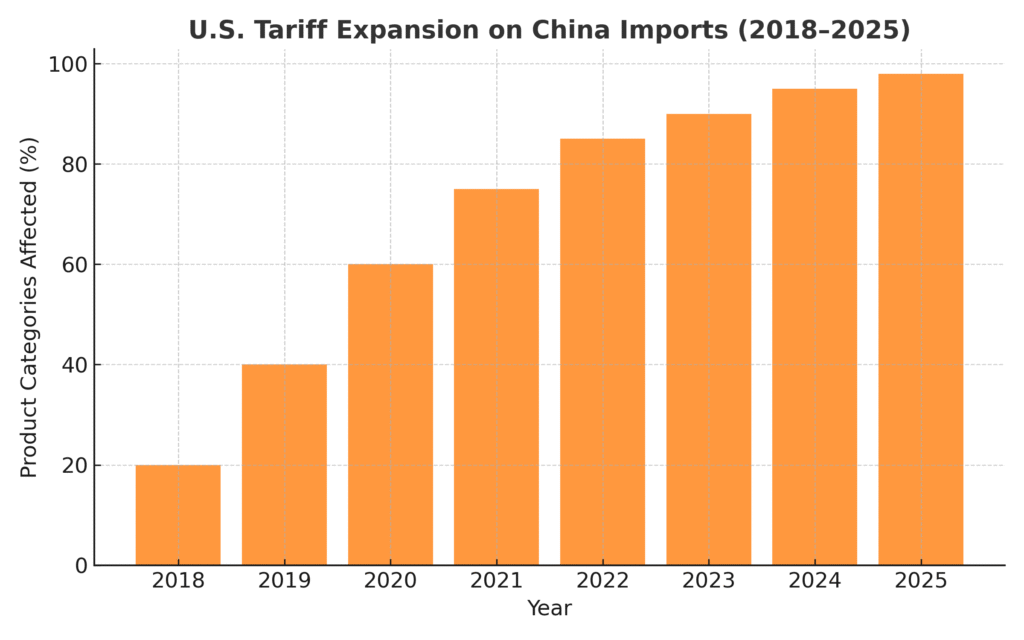
U.S. announces 100% tariff increase in response to China’s rare-earth controls
Following new Chinese export restrictions on rare earths, the U.S. enacts an additional 100% tariff on Chinese imports, with priority impact on electronics, auto parts, and industrial inputs.
90-day temporary tariff reduction during talks
- U.S. combined rate on Chinese imports lowered to 30% (from ~145%).
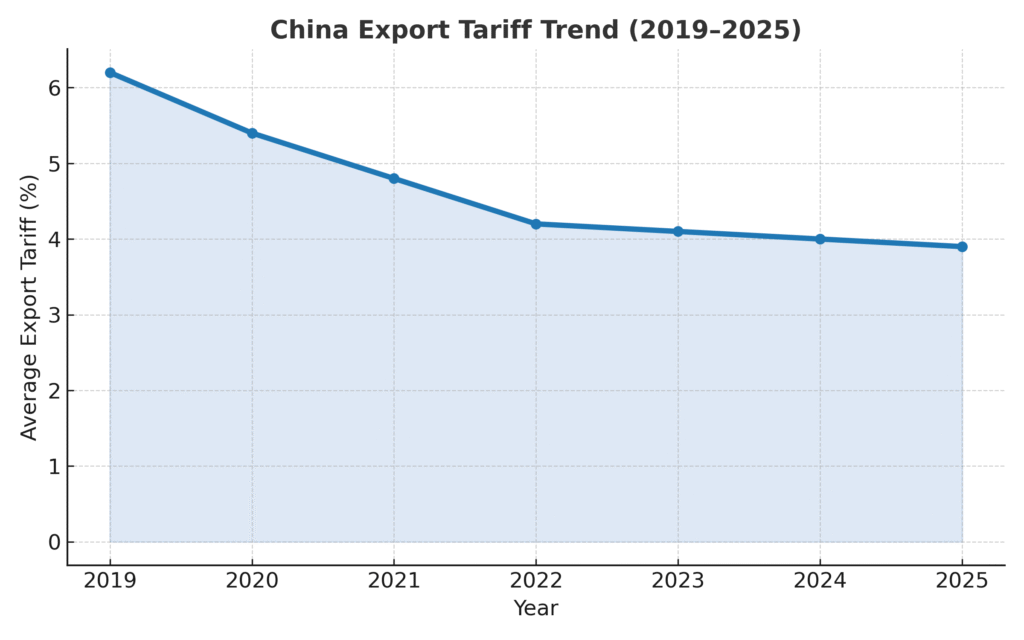
- China’s duties on U.S. goods reduced to 10% (from ~125%).
- Combined rate comprises base tariffs, Section 301 duties, and a 30% surcharge.
De Minimis ended for China & Hong Kong
Shipments under $800 from China and Hong Kong no longer enter the U.S. duty-free.
Electronics carve-outs (retroactive)
Smartphones, computer monitors, and select electronic parts are exempted; applies retroactively to items entering the U.S. or released from warehouses on/after Apr 5.
Total burden clarified at ~145%
Authorities confirm the 125% increase sits atop a prior 20%, bringing the combined rate to ~145%.
Tariffs raised to 125%
The U.S. raises the combined rate on Chinese imports to approximately 125%.
+50% increase; pause for others
An additional 50% is added, bringing the total near 84%. Higher duties for other countries are paused for 90 days.
“Liberation Day” measures +14%
New broad tariff phase begins; an extra 14% is applied to all Chinese imports. Combined burden roughly 34%.
Additional 10% on all Chinese goods
Across-the-board surcharge of 10% is introduced for Chinese imports.
Initial 10% tariff imposed
Start of the 2025 escalation cycle with an initial 10% on all Chinese imports.
How BM SUPPLY CHAIN Helps You Optimize Import Duties
Customs Classification & HS Code Review
Ensure your goods are correctly categorized to avoid overpaying duties.
Country of Origin Strategy
Plan multi-country sourcing and re-routing to qualify for lower tariffs under free trade agreements (FTAs).
Declared Value Optimization
Adjust declared value legally to reflect fair market rates and minimize tax exposure.
3PL-Based Tax Reduction Models
Store and consolidate inventory in bonded or low-tax warehouses before shipment, reducing your total landed cost.
Real Example: How We Helped an Amazon Apparel Seller Cut Duty Costs by 18%
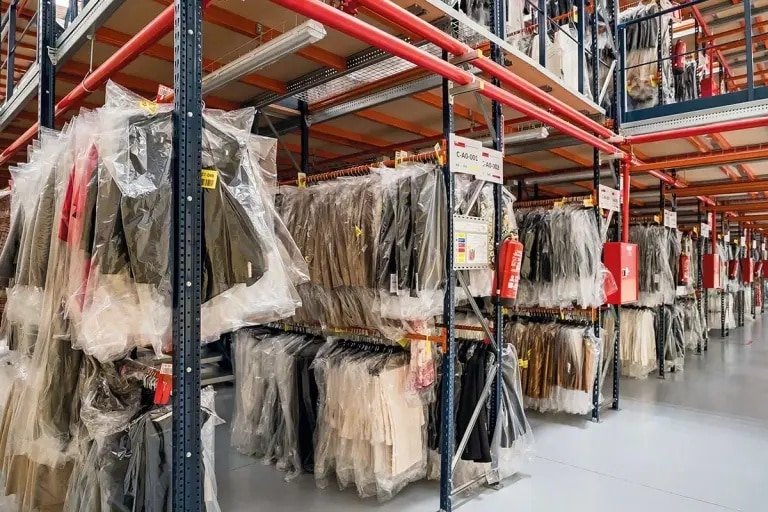
A U.S.-based Amazon apparel seller was struggling with rising import taxes on clothing products shipped from China.
As new tariff rounds took effect in 2025, their margins tightened, and every shipment to U.S. fulfillment centers (FBA and FBM) became significantly more expensive.
They turned to BM SUPPLY CHAIN to redesign their logistics and customs strategy.
Challenge
The seller imported over 200 SKUs of seasonal apparel—mainly cotton T-shirts, sportswear, and accessories—directly to U.S. Amazon fulfillment centers.
Due to incorrect HS code classification and a lack of bonded warehouse processing, the client was overpaying tariffs under a “general textile” category, resulting in inflated duty costs by up to 20%.
Furthermore, shipping directly from multiple Chinese factories caused redundant declarations, inconsistent labeling, and higher customs clearance fees.
Our Approach
BM SUPPLY CHAIN’s customs and logistics team developed a three-step optimization plan tailored to eCommerce and Amazon sellers:
HS Code Audit & Reclassification
Our trade compliance experts analyzed each SKU’s material composition and product design.
Several items qualified under a lower-duty apparel subcategory, allowing legal reclassification.
We created a compliant HS code database for all 200+ SKUs to prevent future errors.
Bonded Warehouse Processing in Shenzhen
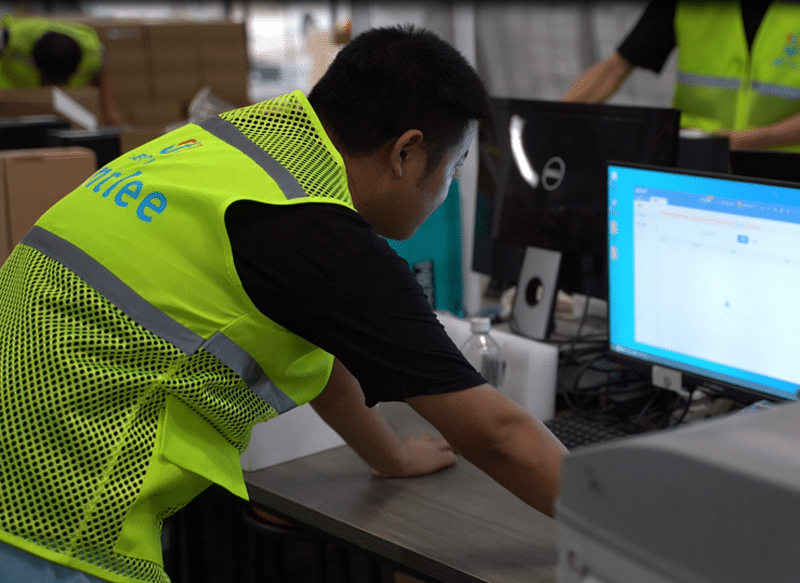
We consolidated shipments from various factories into our Shenzhen bonded warehouse for relabeling, packaging, and export preparation.
Duties were deferred until the final export, eliminating repeated customs declarations.
This process also ensured all packaging complied with Amazon’s FBA labeling standards.
Duty Reclaim & Documentation Support
We assisted the seller in reclaiming overpaid duties from previous shipments.
Implemented standardized commercial invoice templates to align declared values with customs best practices.
Results (Within 3 Months)
| KPI | Before Optimization | After Optimization | Improvement |
|---|---|---|---|
| Effective Duty Rate | 20% | 16.4% | ↓ 18% |
| Logistics Cost per Shipment | $5.80/unit | $4.10/unit | ↓ 29% |
| Customs Clearance Time | 4–5 days | 2 days | ↓ 60% |
| Compliance Accuracy | 82% | 100% | ✅ Full Compliance |
Our Duty Optimization Process
Step 1 — Consultation & Audit
We begin with a comprehensive import/export audit, analyzing your shipping data, declared HS codes, and existing customs procedures. Our experts identify inefficiencies, duty overpayments, and potential cost-saving opportunities across your global supply chain.
Step 2 — HS Code Review
Next, our compliance specialists conduct a line-by-line HS code review of your product catalog. We verify material composition, origin, and intended use to ensure each SKU is properly classified under the lowest applicable duty rate — without compromising compliance.
Step 3 — Strategy Planning
Based on the findings, we design a customized duty optimization plan tailored to your business model. This may include bonded warehouse storage, origin restructuring, or leveraging available free trade agreements (FTAs) to minimize costs.
Step 4 — Implementation
Our logistics and customs teams then execute the plan, coordinating with factories, freight partners, and local authorities. We manage all documentation, declarations, and warehouse operations to ensure smooth customs clearance and tax compliance.
Step 5 — Monitoring & Reporting
Duty optimization doesn’t stop after implementation.
We continuously track shipment performance, update regulatory data, and provide monthly savings reports — giving you full visibility and measurable ROI on every shipment.
Related Insights: How to Optimize Duties and Tariffs in Global Trade
No posts found!