When it comes to international trade terms, making the wrong choice about delivery terms can cost your business thousands of dollars and cause unnecessary problems with buyers or suppliers if this shipping service is not fully understood. FCA (Free Carrier) is one of the 11 Incoterms 2020 terms that is used the most and is the most flexible in all modes of transportation. It also makes it easy to see who is responsible for what between buyers and sellers. FCA knowledge can make your international trade processes a lot easier and help you avoid costly misunderstandings, no matter how you ship goods, whether by sea, air, rail, or road.
Understanding FCA — Key Definition
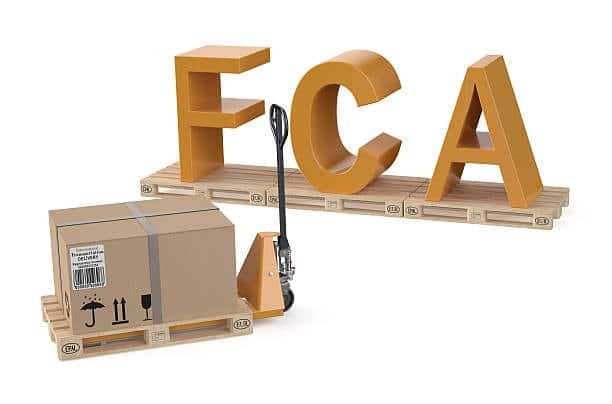
FCA, or Free Carrier, is an Incoterm that says the seller will send the goods to a carrier chosen by the buyer at a place chosen by the buyer. In FCA terms, the seller’s warehouse has done its job of delivery once the goods are delivered to the carrier in a way that makes them ready for export and to the agreed-upon location. This could be the seller’s business, a warehouse, a port, or any other place that is specific to free carrier fca.
The major duties and free carrier responsibilities of FCA are:
- The seller has to bring the goods to the carrier in the named place.
- All export clearance and documentation are taken up by the seller.
- When the carrier gets the goods, the seller transfers the risk to the buyer.
- The purchaser will book and pay major carriage between the stated place and the ultimate destination.
This structure strikes a good balance between duties, such as loading fees, seller and buyer responsibilities, and FCA, which could be useful for a business that wants to keep seller interaction to a minimum during the logistics process and keep costs low for both sea and inland waterways.
How FCA Compares with Other Incoterms
The difference between FCA (which includes export administration rules) and other shared Incoterms helps people who are doing business internationally figure out the best terms to use in certain trade situations where the goods are delivered duty paid.
FCA vs EXW (Ex Works)
The main difference between FCA and import clearance EXW has to do with export duties:
The buyer is fully responsible for the export paperwork, which includes getting the export licenses, filling out the customs forms, and picking up the goods at the seller’s location. This puts a lot of stress on the foreign buyers’ administration because they may not be local and may need help with shipping from a freight forwarder.
FCA (Free Carrier): The seller handles all the paperwork for exporting and makes sure that all local laws are followed. This structure is also good for buyers who want sellers to take care of the complicated export rules, especially when the risk rules are hard for the buyer to set up.
FCA vs FOB (Free on Board)
Even though these two words are used a lot in international shipping, they mean different things in different situations:
FOB (Free on Board): This only applies to sea and inland waterways transport. In FOB, the seller sends goods by putting them on a ship at the port of shipment that is named. The seller is responsible for the costs and risks of the forwarder’s warehouse until the goods are loaded onto the ship.
FCA (Free Carrier) works with all kinds of transportation, including sea, air, rail, road, and multimodal transport. For sea freight, FCA delivery usually happens at a container terminal, where containerized goods are handled, and not on board a ship’s transportation document. This is similar to how containerized shipping works today, where sellers don’t usually load goods onto ships; it’s the buyer’s responsibility.
There is also a difference in the loading requirements. FOB means that the seller loads the ship, while FCA loading can be done at the named place according to the contract.
When to Use FCA — Pros & Considerations
FCA is a useful tool for many business situations, especially when it comes to shipping terms. Some of its benefits include export packaging.
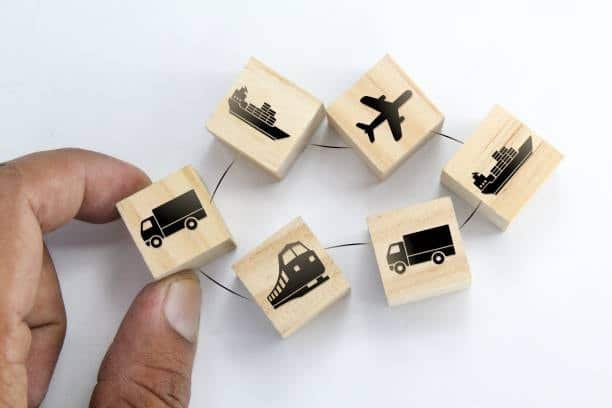
Transport Flexibility: FCA works with any type of transportation, unlike FOB or other mode-based terms. This makes it useful for businesses that use a mix of truck, rail, and sea shipping service provider’s warehouse to ship things.
Seller Export Support: Sellers will handle the export clearance, which will make things easier for the buyer and make sure that all local export rules are followed. This is especially helpful when dealing with countries that have complicated export processes or buyers who don’t know much about trading in that area.
Risk Management: There should be a clear point of risk transfer (when the carrier takes possession) and an international trade terms guarantee on insurance and liability.
However, the success with FCA depends heavily on how well the so-called named place is defined. Unclear descriptions of location may make it hard to understand the responsibilities of delivery, the price, and the time of risk transfer. To avoid confusion, businesses should give exact addresses, terminal names, or facility details.
Step-by-Step Example of FCA in Action
For example, in real life: A computer electronics company in Shenzhen, China, sells parts to a customer in Hamburg, Germany, through FCA Shenzhen Container Terminal. The parts are checked before they are shipped.
Seller Responsibilities:
- Packages and label goods to be shipped.
- Gets the required export licenses and paperwork.
- Fills customs export forms.
- Practitioner of shipping goods to Shenzhen Container Terminal.
- Sign goods to carrier (representative of shipping line)
- Gives export documents and delivery confirmation to buyer.
Buyer Responsibilities:
- Books principal shipment Shenzhen – Hamburg.
- Pays ocean freight charges
- Imports clearance in Germany.
- Arrange transportation between Hamburg port to end destination.
- Risks are borne after goods are accepted in Shenzhen by carriers.
Risk Transfer Point: The buyer and seller are responsible for the risk when the shipping line takes the container at Shenzhen Container Terminal, even though the goods are still in China.
Common Pitfalls & FAQs

There are a lot of wrong ideas about FCA terms, such as who is in charge of clearing exports:
Responsibility for Loading Confusion: The name of the place where goods are loaded can change the location. If the delivery is to the seller’s location, then the seller loads. The buyer usually makes loading arrangements at the terminal or carrier facility, and the seller also likes FCA. Contracts should clearly state what the loading responsibilities are.
Timing of Risk Transfer: Risk transfers happen when the carrier takes possession, not when the goods leave the country of origin or arrive at their destination. This is an important difference to keep in mind when making choices about insurance coverage.
Customs Handling Questions: The seller takes care of the export customs, and the buyer takes care of the import customs. However, if the seller needs to show certain documents to clear the import, the sales contract must say so.
Multiple Carriers: In multimodal transport, the risk is passed on to the first carrier, but the goods may later be passed on to other carriers. It is important to pay close attention to insuring this transfer point early on.
Tips to Avoid Errors with FCA

To implement FCA successfully, it is important to take several important details into consideration when dealing with multi modal shipments :
Specify Exact Location: Include the names of the terminals or facilities where the seller delivers, or just the names of the city or port. FCA Hamburg Port is not specific enough. For example, FCA Hamburg Container Terminal Altenwerder, Terminal Entrance Gate 1 is more specific.
Use Current Incoterms: Parties should always use the Incoterms 2020 rules to make sure everyone understands the current meaning and rules. Earlier versions may have different risk distributions or duties.
Contract Clarity: Include loading responsibility, documentation with main carriage details, and any special handling needs in sales contracts. Don’t just use Incoterms as your only business terms.
Professional Guidance: Complex deals or new markets are those that need help from an expert in trade finance, customs brokers, or international trade lawyers to make sure everything goes smoothly. The seller is responsible for this.
Insurance Coordination: Match the points of insurance coverage and risk transfer, since the buyer takes on responsibility at the point of transfer. Because FCA transfers risk early, buyers need to make sure that coverage starts when the carriers take over.
Additional Resources & Conclusion
FCA (Free Carrier) strikes a better balance between helping the seller and giving the buyer control. It is especially helpful for businesses that need the flexibility of different modes of transportation and the seller’s experience with export processes. To get the best FCA performance, you need to always list specific delivery points, use the most up-to-date Incoterms 2020 standards, make the loading responsibilities in the contracts clearer, make sure the insurance coverage is the same, and talk to an expert if the deal is complicated. When planning international trade, it’s best to look at other Incoterms like CIP (Carriage and Insurance Paid) to make the seller more responsible or DAP (Delivered at Place) to make the seller more of a service provider. This way, you can choose the terms that will help your business the most, your risk factors, or your customer demand.