
Shipping goods abroad will expose you to a number of terminal handling charge fees and charges that may seriously affect your logistics budget. Terminal Handling Charges–THC is one of the most frequent and misunderstood costs. Regardless of being an experienced importer, exporter, or novice in international trade, you will need to know how to calculate terminal handling charges as a key to proper cost planning and effective supply chain management.
For example, you will find out what contains THC, who pays these charges, why the cost in one port may be more than in the other port, and the best part of the whole is five effective tips on how to save money on shipping costs and streamline your shipping business.
Unpacking THC: What Is It?

Container Service Charges (CSC), or origin terminal handling charges (THC), are charges levied by a shipping terminal as a way of managing containers in the loading and unloading process. These fees encompass basic port management that makes sure that your shipments transit safely and effectively across maritime terminals, often assisted by a freight forwarder.
The list of services offered by the terminals constitutes THC logistics, which includes terminal handling charges calculation :
- Container handling and movement – Physically lifting, moving, and transferring containers.
- Stacking and yard control- Grouping containers in specific terminal zones.
- Crane work- Heavy machinery to load/unload vessels.
- Temporary storage – Container storage, in terminal facilities for short-term.
- Documentation processing – Administrative work regarding cargo clearance.
- Security screening – Surveillance and check-in services.
- Maintenance of equipment – Maintenance of terminal equipment and machinery.
These port handling charges are normally calculated on an individual container basis (TEU – Twenty-foot Equivalent Unit) and they also depend on the size of containers, such as full container load type of containers, and the destination port shipping line.
Different Flavors: The Types of THC

Knowledge about the various forms of Terminal Handling Charges and freight charges will allow you to see the expenses of all steps of your shipment process:
THC Types Comparison
| THC Type | Location | Responsibility | Typical Cost Range |
| Origin THC (OTHC) | Loading port | Usually exporter | $80-$300 per container |
| Destination THC (DTHC) | Discharge port | Usually importer | $100-$400 per container |
| Transshipment THC | Transit ports | Varies by agreement | $50-$200 per container |
Origin THC (OTHC) is used in the loading of containers at the departure port, ensuring compliance with port facility security. This includes the price of transporting your cargo out of the terminal yard to the vessel.
Destination THC (DTHC) is a process that takes place at the port of arrival involving the process of cargo handling as the ship is loaded into the terminal yard, where the cargo is ready to be picked or loaded to proceed its journey.
Transshipment THC is used in cases where containers are moved between ships in transit through different ports during multi-leg operations, typical of world shipping routes.
Who Foots the Bill?
The answer to this question regarding the fees charged is based on the agreed shipping terms (Incoterms) in your contract. The knowledge of such arrangements eliminates unpleasant surprises and conflicts:
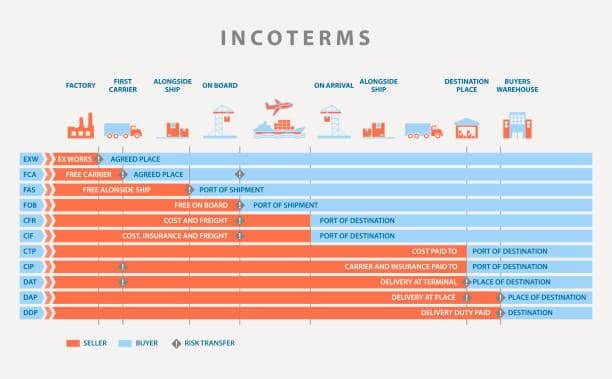
Under Common Incoterms:
EXW (Ex Works): Buyer pays Origin and Destination THC at shipping terminals; FOB (Free On Board): Seller pays Origin THC, buyer pays Destination THC; CIF (Cost, Insurance, Freight): Seller pays both Origin and destination THC; DDP (Delivered Duty Paid): Seller pays Origin THC, buyer pays Destination THC.
Real-World Scenario:
An importer in the US buying electronics under FOB Shanghai terms would be subjected to Destination THC at Los Angeles port (around 150-250 each 40ft container), and the Chinese exporter is subjected to Origin THC at Shanghai port.
Always confirm terminal handling fees and THC duties in your buying contracts so that you do not get any billing surprises and that costs are calculated accurately.
Why THC Varies So Much
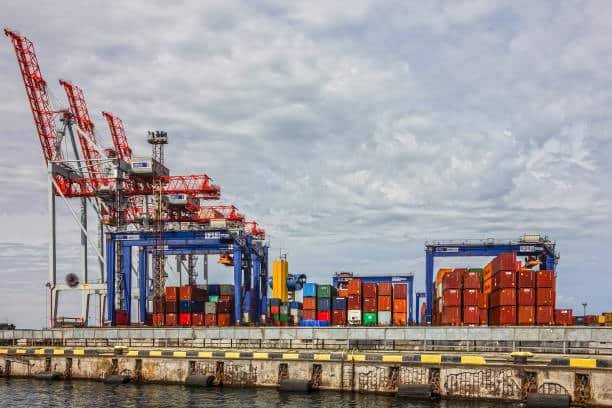
Terminal handling Charges at freight terminals change drastically depending on several important factors that influence the operational costs:
Port Infrastructure: Newer automated terminals will be more costly in terms of THC but will be faster. The manual operation of older ports could be cheaper with longer handling times.
Labor Costs: Ports that have a higher standard of wages generally charge a higher THC to meet the higher costs of operation per container load.
Cargo Type: Specialized containers require additional handling, even at the same port.
- Refrigerated containers (reefers): 20-50 percent high premium.
- Baggage, excessive weight, or bulk: charge of 50-100 percent.
- Dangerous materials: There are extra security and handling charges.
Efficiency of port and terminal authorities: Well-operated large volume terminals can spread their cost over a larger number of containers, and this may provide lower rates.
Regarding seasonal demand: THC is usually high during peak shipping seasons (before the holiday seasons) because of terminal congestion and strain on resources.
Mini Case Study: Port Comparison
Shanghai Port (China) vs. Hamburg Port (Germany) in the case of a 40ft normal container:
- Shanghai OTHC: $120-$180
- Hamburg DTHC: $200-$280
The difference shows the difference in labor cost, investment in infrastructure, and operational efficiency in Asian and European terminals.
THC vs Wharfage — Know the Difference
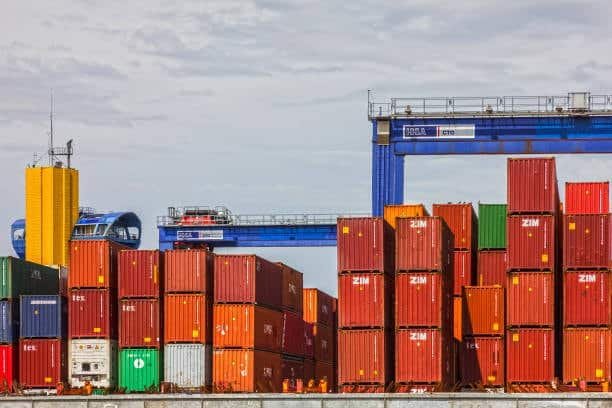
Although both are charges that are related to a port, THC and wharfage have different purposes at different terminals :
Quick Reference Comparison:
Terminal Handling Charges (THC):
- Terminal Handling Charges (THC):
- Deals with container handling and movement.
- Paid to terminal operators
- Depending on the number and type of containers.
- Normal shipping contractual terms.
Wharfage Fees:
- The use of dock facilities by the port authority is charged.
- remunerated to port authorities (government bodies).
- Depending on cargo weight or price.
- Port access fee.
Key Distinction: Major Difference THC deals with operation services, whereas wharfage deals with the rights to the use of facilities. Both of them appear as individual line items on your invoice to ship.
Tips to Lower THC (Smart Strategies)
The following strategies are effective and can be implemented to minimize the cost of THC and make your supply chain efficient by considering various ports :
1. Compare Port and Carrier Options
Find other ports around your origin/destination. Possibly cheaper THC rates are available at secondary ports; however, take into account other inland transportation expenses when computing the total.
2. Optimize Container Utilization
LCL vs FCL Strategy: When the volume of shipping is low, it is possible to consolidate numerous LCL shipments into FCL and lower the per-unit THC costs. Break even point will depend on your frequency of shipping.
3. Choose Strategic Port Locations
Prioritize ports with:
- Modern infrastructure and efficient operation.
- Competitive THC rates
- Good inland connectivity
- Lower congestion levels
4. Negotiate Proactively
Though THC are normally pass-through costs, Long-term contracts with freight forwarders can have freight rates, THC rate guarantees, or limits that offer cost predictability.
5. Monitor Cargo Requirements
where practicable, avoid special cargo container requirements:
- Whenever possible, we use standard dry containers over reefers.
- Minimise packaging to prevent heavy cubic cargo discernment.
- Make sure there is good documentation so that there is no delay in handling.
Real-World Examples & Estimations
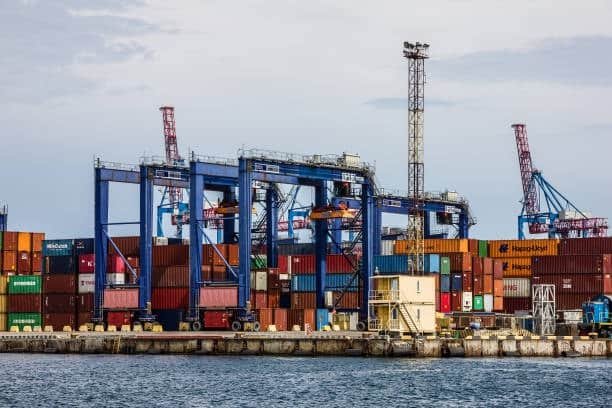
Knowledge of common THC levels is used in budgeting and cost analysis:
Container Size Impact on THC:
| Container Type | Origin THC Range | Destination THC Range |
| 20ft Standard | $60-$200 | $80-$250 |
| 40ft Standard | $80-$250 | $120-$350 |
| 40ft High Cube | $90-$280 | $130-$370 |
| 20ft Reefer | $100-$300 | $150-$400 |
| 40ft Reefer | $120-$350 | $180-$450 |
Regional Variations:
- Asia-Pacific Ports: THC is usually less expensive (80-200 per container).
- European Ports: Medium THC($150-350/per container)
- Ports North America: THC (variable) ($100-400/container).
- Emerging Markets: THC can be competitive with different levels of services.
These indices indicate the state of the market at the beginning of 2025 and may change depending on the price of fuel, labor contracts, and terminal modernization.
FAQ Section
Is THC negotiable?
As a rule, no. THC are pass-through expenses that terminals charge shipping lines, which in turn charge them to the customers. But freight forwarders may take on the THC in their aggregate service rates to gain a competitive edge.
Do container size and type affect THC costs?
Yes, significantly. Greater size containers (40ft vs 20ft) normally come with 20-40 percent greater THC. Other containers, such as reefer, open-top, or flat racks, may be 25-75 percent more expensive, as they demand extra handling and equipment.
How long is THC valid for storage?
The average days of free terminal storage are covered by THC. Storing longer than this would result in extra demurrage fees, and it may soon increase the initial cost of THC. Plan pick up/delivery during free time in order to avoid these penalties.
Can I avoid THC entirely?
No, the use of THC cannot be avoided in containerized shipping. Nevertheless, it is possible to save money due to the wise choice of ports, the optimization of containers, and the effective planning of logistics.
Do all shipping lines charge the same THC?
No, THC depends on shipping lines and shipping routes as well as shipping terminal accords. Various carriers can have negotiated a different rate with terminals, which will provide opportunities to compare the costs when choosing shipping services port terminal.
Conclusion
It is important to understand Terminal Handling Charges to manage the logistics cost in a successful supply chain optimization. When you understand what THC entails, who pays these charges, and the reason costs are different, you will be more equipped to make informed decisions when making shipping choices for your international shipment that safeguard your bottom line.
The most important lessons to understand in managing the cost of THC are: do your due due to compare your port and carrier choices, use your containers to full advantage to maximize your value, find strategic locations that balance price and convenience, remain alert to cargo’s unique demands that may add value to price and incorporate THC into your long-term logistics strategy port facilities.
Need to maximize your shipping plan and minimize logistics expenses? Begin by evaluating your present THC costs in various routes and airline companies. It is worth considering hiring the services of seasoned freight forwarders who will be able to offer more in-depth THC comparisons and pinpoint cost-saving opportunities that fit into your trade lanes and cargo types specifically.
To learn more about the price of international shipping, Incoterms, and strategies of freight optimization, subscribe to our logistics news and keep up with the industry trends that influence the performance of your supply chain.