Introduction
The future of Amazon fulfillment is a paradigm shift in the future of e-commerce globally; it continues to be batman-run by inertia of macroeconomic pressures and technological advances. Think how nice a world would be with packages knowing what you want to buy even before you press the buy button, warehouses buzzing with robotic accuracy, and supply chains that run without interruption all the way to Chinese factories and your doorstep around the globe. It is not a science fiction but rather the natural meeting point of automation, AI, and strategic integrations that are bound to transform efficiency in the ecosystem of Amazon. As an outsourcing company with a strong capability to integrate supply solutions in China, BM Supply Chain has been a first-hand witness of how these changes are accelerating, allowing sellers to manage the unstable conditions of trade, their surging labor expenses, and buyer expectations to move faster. In 2030, we estimate that AI-based fulfillment will reduce operational expenses by up to 40 percent, as well as counter geopolitical shocks, creating a more resilient world trade environment. Such an analysis relies on the supply chain thinking that puts them all into a model of interconnection, which is projected as a picture of a predictive, adaptive, and integrated supply chain.
The Evolution of Amazon’s Fulfillment Network
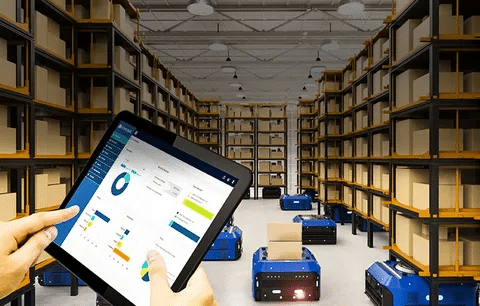
The fulfillment network of Amazon has been transformed into a basic warehouse but the actual transformation is just starting to happen and is now an expansive data-filled machine. The macroeconomic conditions such as continued inflation and changing trade policies in the future (2026-2030) will force Amazon to further regionalize thus decreasing its reliance on transoceanic transportation as fuel costs continue to rise. Technology evolution modeling implies a change of focus to hybrid models in which the inbound logistics are as smart as the outbound delivery and the data is used on real-time to streamline inventory flows. During this period, the network will not only respond to demand; it will create it via convergence of ecosystems when suppliers, carriers and platforms align with each other in a single network of digital fabric. We have already observed the initial development in the growth of Supply Chain by Amazon which merges global pickup and border management, preparing us to the 2030s where the fulfillment centers will serve as a node in a decentralized, AI-coordinated web. This is not a one-off transformation, but rather has been coupled with a more comprehensive supply-chain systems thinking, in which automation of each node helps to reduce any risks posed by labor shortages and economic stagnations, as well as to make sure that Amazon dominates the market which is expected to reach $80 billion in exports by the end of the decade.
Automation in Amazon Logistics: Current State and Future Trajectories
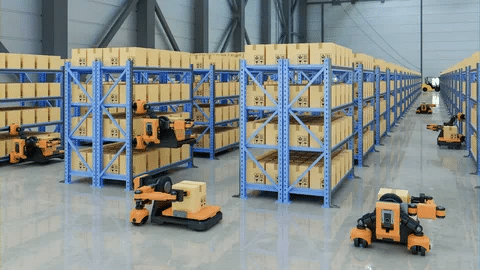
The Amazon logistics is moving faster on automation, which reflects the general industrial trend towards efficiency in the face of macroeconomic headwinds. We believe that by 2026, more than three quarters of the work done at Amazon will be automated, with already deployed robots doing much of the order processing in major centres. It is not just a cost-cutting trajectory, but rather an overall reaction to the dynamic of the labour market, with increasing wages and labour shortages in developed economies forcing the creation of machines to take the place of human labour. Futurism in this case is the imagining of warehouses as self-regulating organisms, as automating not only the sorting but forecasting maintenance, cutting down the downtime by 30 percent through built-in sensors and artificial intelligence diagnostics. This in our case at BM Supply Chain where we handle automated warehousing of products bound to Amazon implies that the sellers will have quicker turnaround times as automation simplifies the process of handing over products to the fulfillment centres. According to macroeconomic analyses, the ripple effect of automation will be felt by 2030: routine jobs will be replaced, yet more high-skill industries will be stimulated by high-density cluster formation of Amazon hubs to stimulate local economies in terms of higher wages and additional business activities. The trick is that automation is not substitution, but an augmentative part to be incorporated within the framework of global chains and establish more agile, responsive supply chains.
AI in FBA: From Forecasting to Fulfillment
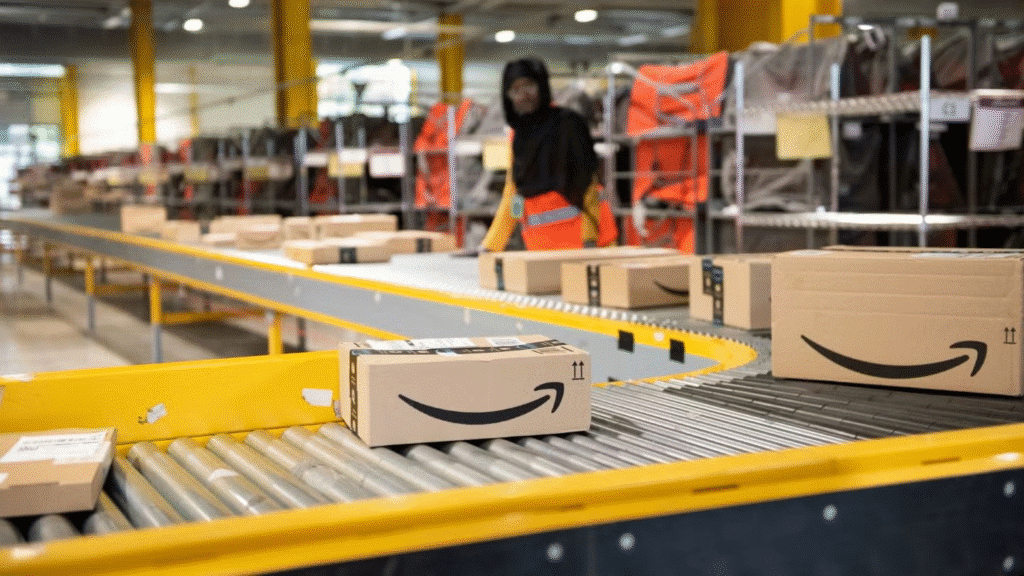
AI in FBA will change the methods used by sellers to manage inventory, turning proactive stocking into data-driven art, which becomes reactionary. As we simulate the development of technology, the role of AI will increase to something that is not only basic predictive forecasting but holistic disruption orchestration as machine learning algorithms will consume large amounts of data and predict not only demand but also supply disturbances. By 2027, predictive replenishment via artificial intelligence may reduce stockouts by half with references to the real-time indicators of consumer preferences and world events. This change follows macroeconomic factors such as the changes in the prices of different commodities, where AI can be used to mitigate the fluctuations by optimizing reorder points. In terms of the system perspective, AI combines the upstream with the suppliers and allows data-driven inbound flows to align perfectly with the Amazon ecosystem. In the case of BM Supply Chain, our Amazon seller adhering AI-enhanced plugins already lead to the easy docking of products, demand spikes are predicted with precision that is far more accurate than Amazon tools. Looking at the future, we predict that in 2030, the AI will become agentic, i.e. autonomous assistants that do all the work, including pricing, logistics rerouting, etc. creating a future in which FBA will also be a cognitive network, responsive to economic cycles and tailored to the needs of the sellers.
Robotics Integration: The Backbone of Tomorrow’s Warehouses

The future warehouses will have skeletal structures in the form of Amazon robotics which will develop into complete swarms that work with human supervision rather than solitary helpers. The present-day developments such as Sequoia and Digit are signs that in 2026 robots will be capable of accomplishing the complex jobs, such as picking and packing, with the same level of dexterity as humans and lower injury rates and higher throughput. In the future, this system models a symbiotic ecosystem, which robotics will merge with AI to form adaptive environments to macroeconomic fluctuations, like the sudden demand bubble due to viral trends. Supply-chain systems thinking indicates how this base makes supply chains more resilient: during economic booms, robots are able to scale operations without a proportional increase in labor, and during a recession, they are able to remain efficient at reduced levels. The collaboration in China shows how labelling and prep automation at the source – robotics – fits with Amazon systems, reducing the delivery time. By 2030, the warehouses will be artificial intelligence controlled beehives, with more than a million robots in the world that will make fulfillment more of a precision process than a response.
Predictive Logistics: Anticipating Demand in Real-Time
Predictive logistics is the neural network of the future of Amazon that will apply AI to anticipate and adjust in real-time, much further than the standard models. This method will cushion any hitches by balancing the past with external alarms such as weather, or economic dynamics so that the flow after 2026 will be smooth. The importance of macroeconomic analysis is hard to overestimate: during the period of trade tensions and supply crunches, predictive tools can retask shipments beforehand, saving billions of missing revenues. Technology evolution in this case is machine learning, which learns based on global trends and generates a feedback mechanism in which logistics optimize themselves. Our BM Supply Chain uses the same predictive analytics in the case of the one-piece drop ship, which is compatible with the inbounding requirements of Amazon to avoid bottlenecks. Vision 2030: having the capability to logistically anticipate consumer whims with creepy specificity, taking data-driven inbound and automation to the next level to produce hyper-efficient logistical chains capable of surviving in doubt.
China 3PL Integration: Bridging East and West Supply Chains
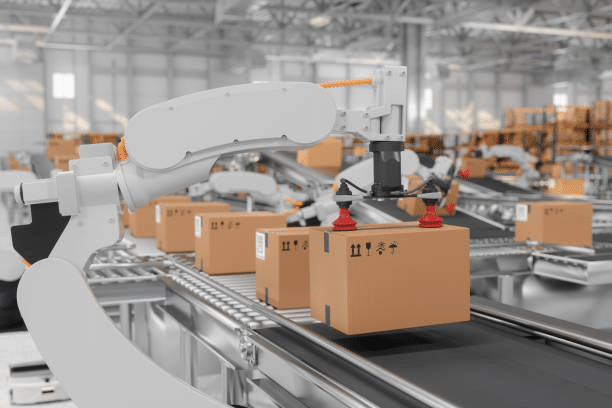
China 3PL integration is also the key point of the globalization strategy of Amazon, which combines both the Eastern manufacturing skill and the Western requirements of fulfillment. With changing trade policies, 3PLs such as ours at BM Supply Chain will strengthen its bonds by providing FBA prep, labeling, and forwarding that takes weeks to cut lead times. Futurism is a depiction of a world in 2028, in which the seamless docking of API enables the real-time alignment of inventory, eliminating the risk of macroeconomic instability in the form of tariffs through diversified sourcing. This can be seen through systems thinking, where the outcome of ecosystem convergence is China-based 3PLs automating their origin, which is to ensure compliance and efficiency prior to goods arriving at Amazon warehouses. Free warehousing and customizable packaging are examples of how this integration gives sellers more power and transforms what could be seen as bottlenecks to a competitive advantage. Within 2030, go complete convergence, in which Chinese 3PLs become a sort of extension of the Amazon network, which contributes to a symbiotic stream, making the whole world more stable.
Ecosystem Convergence: How Tech and Logistics Merge
The convergence of the supply chain of Amazon will make the borders between the tech and logistics grey, as data will flow freely on a single platform. To model this evolution, AI and robotics will become part of 3PL networks and create loops that are resilient to macroeconomic changes such as energy crises. This is not siloed innovation, it is an entire ecosystem where predictive logistics is used to guide the origin automation so that all processes, such as the procurement and the delivery, are optimized. To us, in China, it implies that sellers take advantage of end-to-end visibility tools that are integrated and minimise waste and increase sustainability. In convergence, a 25-percentage point efficiency improvement could become reality, with platforms such as Amazon becoming global orchestrators of suppliers, carriers and consumers into a dynamic web that predicts disruptions before they can spread.
Origin Automation: Starting Efficiency at the Source
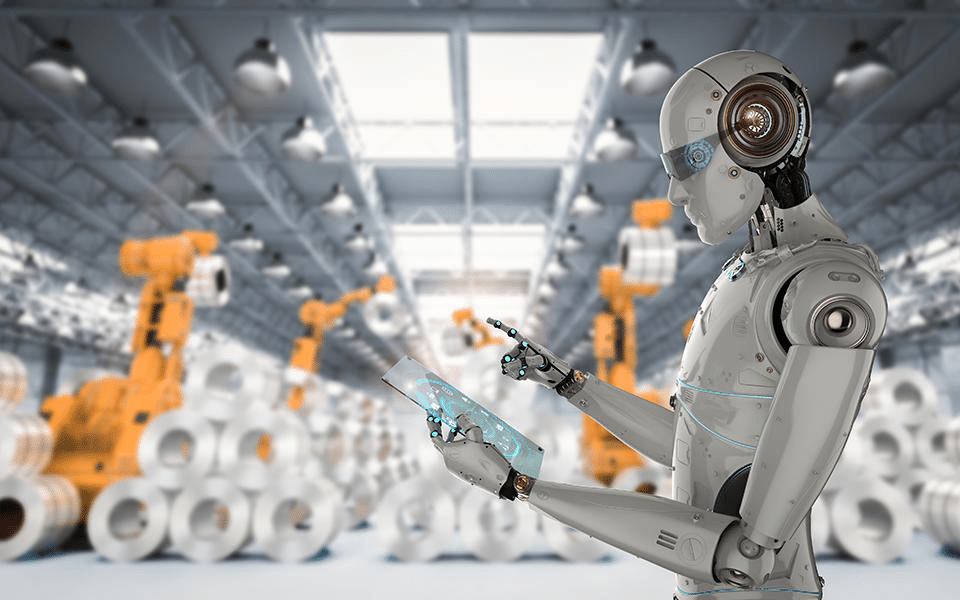
Origin automation transforms efficiency by instilling smartness at the source of the supply chain especially in manufacturing centres such as China. State-of-the-art robotics and AI will take over production-to-shipment procedures, where Amazon-bound goods are prepared with attention. The modeling of the future is a 2030 with factories becoming smart nodes, leveraging data-driven inbound to align with the needs of Amazon due to economic unpredictability. This system approach reduces the errors as observed in our BM Supply Chain facilities where automated labeling and packaging are directly automated with FBA. Macro impacts also involve the decrease in reliance on manual labor together with development of tech savvy jobs and act as shield against global shocks. Finally, automation of origin drives the whole chain, which results in the fulfillment being cheaper and quicker.
Conclusion: Strategic Imperatives for Amazon Sellers
The future of Amazon fulfillment is bright, but it requires a radical adjustment. With automation, AI and China 3PL integration coming together, the sellers have to adopt origin automation and predictive logistics to survive in a 2030 environment that is defined by macroeconomic conditions and technological development. BM Supply Chain is also prepared to collaborate in this adventure, and we are willing to provide tailor-made solutions to automate the source and integrate with the Amazon ecosystem. The need to automate early, to think systemically, to position in a future where efficiency is no longer optional but existential, is imperative.