What will become the fundamental competitive advantages in global ecommerce fulfillment between 2026 and 2030? The bottleneck in ecommerce has moved to the point of getting traffic to the point of delivering on it in an efficient manner, this has seen the shopper demanding an efficient, fast and cheap experience and those brands that cannot do so lose out. Automation simplifies warehouses with robots and smart systems to process channeling volumes of rising volumes; AI routing optimizes routes on both costs and speed; and cross-border logistics opens global markets with options of duty-pay and multi-hub networks. In the case of DTC, Shopify, Amazon, and Tik Tok brand names, long-term growth will depend not on advertisements but on supply chain expertise, which makes the fulfillment inefficient and weakens profit margins and consumer confidence. Automated fulfillment, Artificial Intelligence routing and effective cross-border delivery will characterize the next phase of ecommerce development.
The Rising Complexity of Ecommerce Fulfillment
1. More SKUs, faster iteration cycles
The categories of beauty, home goods, accessories, fashion, and jewelry are expanding with SKUs -brands are dealing with 500-1,000 variants to meet the trend of personalization. This requires fast execution, manual management will slow the process of iteration but, as we have witnessed at BM Supply Chain, testing 10-20 new SKUs per month in China hubs can be done without bottlenecks-actionable insight: map SKUs early so you will not create chaos in the future.
2. Multi-channel operations become the norm
Working with Shopify on the DTC side of the loyalty, Amazon on the search side of the volume, Tik Tok on the virals, Walmart on the mass appeal, and Etsy on the niches is typical but synchronizing the inventory and orders manually is fraught with errors. The future of ecommerce logistics needs integrated systems; today integrate APIs to support 5+ channels without silos.
3. Customer expectations are increasing
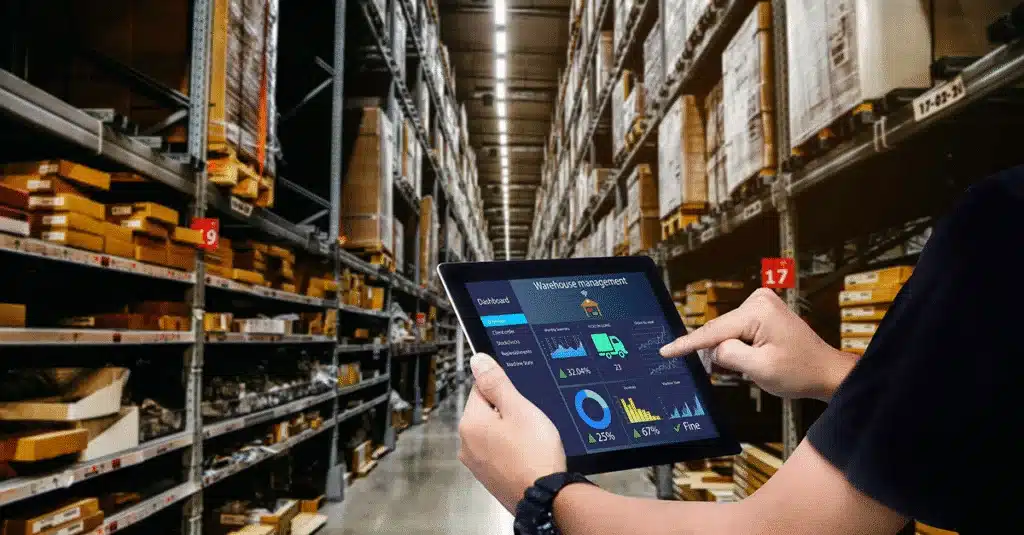
Same-day processing is the minimum, where the requests are to track precisely and less than 10 shipping costs, reviews of the change will postpone by 20-30 days. Trends in automation of the warehouse such as real-time visibility fulfill the same; focus on providers with end-to-end tracking to sustain satisfaction 95 percent and above.
4. Cross-border shipping is accelerating
DTC brands are no longer local only, as they are going global with cross border DTC fulfillment, achieved through efficient lines, to handle this spurt. The fact that brands have to be flexible or lose markets, and that brands have to start with DDP to be able to do so seamlessly with customs, means that by 2026, with 40% of the sales international, the brands will have to be flexible or lose markets.
Automation: The Backbone of Future Fulfillment
1. Warehouse Automation
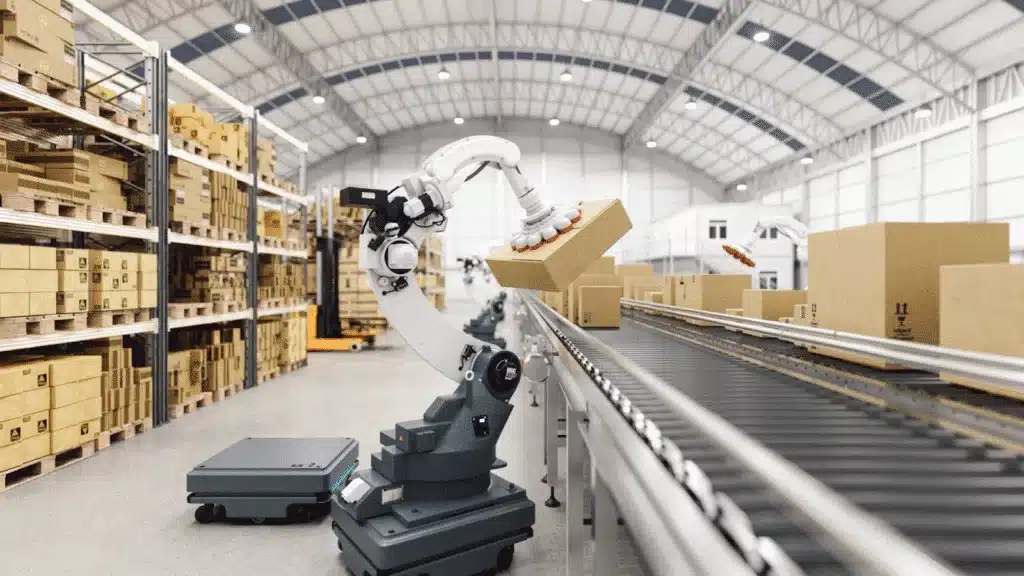
a. Autonomous mobile robots (AMRs)
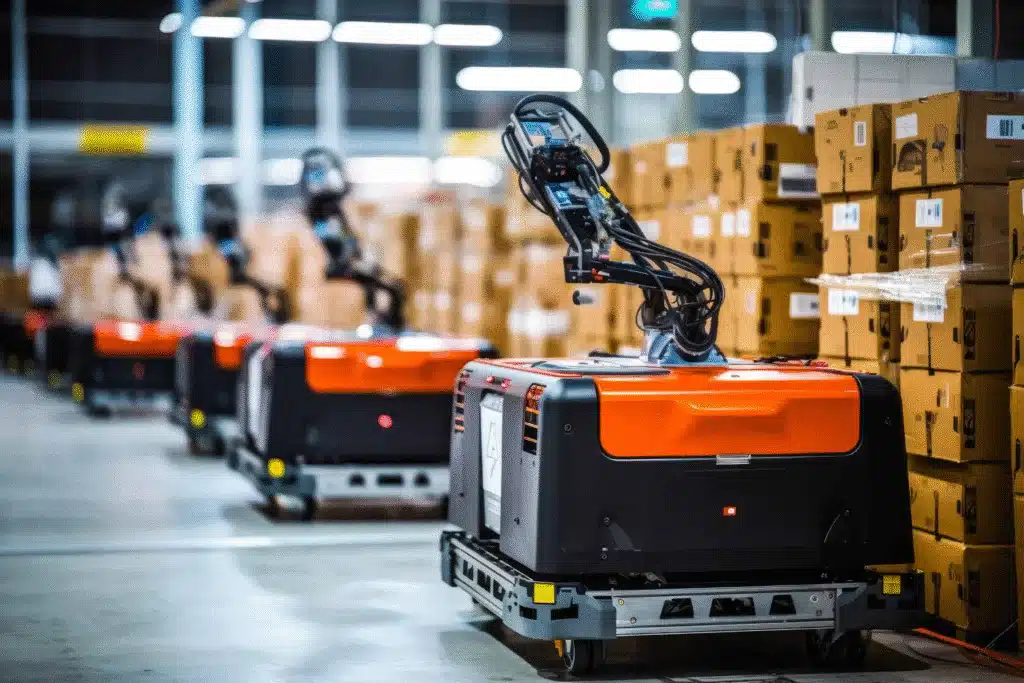
AMRs are dynamically navigated, reducing manual picking paths by half and increasing speed/accuracy, which is great in high-SKU settings. AMRs are used in Dongguan facility of BM Supply Chain to complete 1,000+ picks/hour; they are deployed on a variable demand basis to alleviate labour dependency.
b. Conveyor sorting systems
These auto-sort packages destinations or size, and reduce bad shipments by a third-saving-needed in multi-channel operations. WMS integration will guarantee smooth flow; peak reduction test layouts.
c. Automated packing stations
Stations scan, label, and seal independently – a 2 minute order is cut down to 30 seconds. This is where automation in ecommerce fulfillment will be optimized to fragile items; calibrate to your SKUs in order to reduce damage by 15%.
d. Automated cartonization algorithms
Minimal box sizes are calculated by AI, which saves shipping costs (10-20) by eliminating dims. This 2026 fulfillment technology becomes important to control costs, it works best when input data of the product is accurate.
2. Software Automation (WMS / OMS)
a. Automated order routing
Carriers are automatically chosen by channels, weight, and destinations -25% a time. This is simplified by AI-controlled routing of ecommerce; pre-established rules based on past data to be accurate.
b. Automatic inventory sync
Avoids oversells on all platforms – synchronize every 15 minutes. In the case of TikTok virals, it is life-saving; check your sync logs once a week and identify glitches.
c. Automated replenishment alerts
AI forecasts cycles and warns about low stock -out-of-stocks are cut by 20 percent. The trend in automation of warehouses gives preference to this in season planning; feed sales data in firmer forecasts.
d. Auto-tracking pushback
News reaches customers immediately -reducing enquiries by 40%. This improves CX; make API work with your platforms.
AI Routing: The Future Brain of Fulfillment
1. AI-driven carrier selection
Auto-picks cheapest/fastest/stable routes depending on country, weight, tariffs, and peak delays… -15-25% shipping savings. At BM Supply Chain, BM Supply Chain has streamlined SEA lines; real-time input data to make sound decisions.
2. Route optimization algorithms
Forecasts schedules, warehouse risks, and node delays- based on ML on historical trends. AI-based ecommerce routing reduces transit time 2-3 days; test with quarterly testing.
3. Real-time anomaly detection
Flags check anomalies reroutes, alerts- lost packages cut 30%. Proactive; establish limits of tolerance.
4. AI predictions for peak seasons
Predict Black Friday, Double 11 or Tik Tok spikes of staffing/shipping, accuracy increases 40% with data, required by 2026 fulfillment technology Build models based on historical peaks.
5. Smart consolidation
Combines orders to reduce costs and parcels- AI bundles by destination, and saves 20%. Perfectly suited to DTC; permit big volume days.
Cross-Border Logistics: The New Competitive Advantage
1. DDP shipping becoming mainstream
DTC believes in hassle-free customs (duty-paid) mainstreaming by 2026 as per trends. International DTC delivery DTC makes globals easier; select providers knowledgeable in DDP.
2. Multi-hub cross-border model
China + EU/US hubs are hybrid ones, local because it is quick, China because it is cheap. Balances efficiency; begin with 70/30-testing.
3. Localized returns handling
Refurb low cost returns to China- 70% value recovered. Cuts down waste; takes away high- Returns such as fashion here.
4. Faster factory-to-warehouse cycles
Close-to-customers accelerates QC/restocks-2-5 days, versus weeks. Increases the number of iterations; combine suppliers to have a smooth flow.
5. Postal + Express + Special-line diversification
Can adjust to lights (postal), can adjust to heavies (special lines), sensitives (express) making the best of 20-30% costs. Diversify for resilience.
How These Technologies Work Together
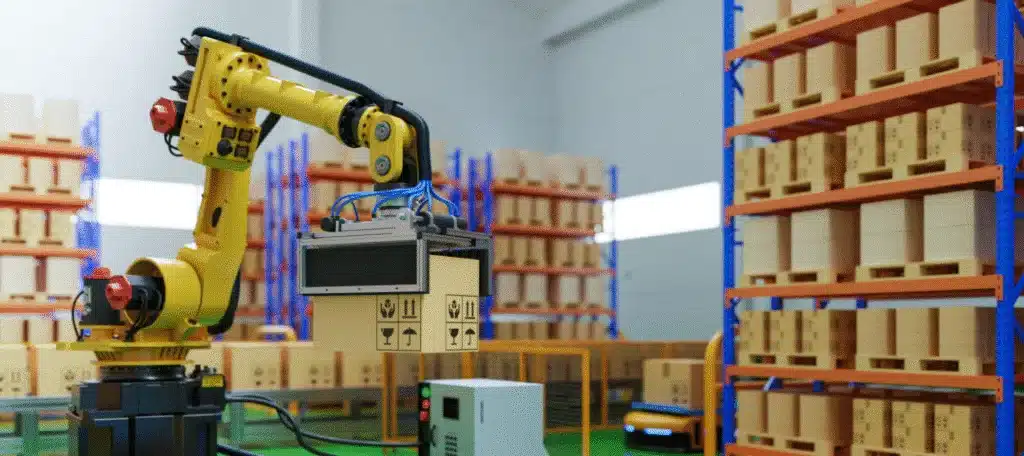
1. Automated warehouse + AI routing = faster same-day handling
Robots collect, AI directions -jumps 50. Actionable: pilot in one zone.
2. API-connected fulfillment = zero manual work
Orders/inventory/tracking Syncs-60 percent fewer touches. Ensure robust APIs.
3. AI forecasting improves inventory allocation
Forecasts country-by-country – no product shortages. Feed multi-source data.
4. DDP options + AI routing reduce failed deliveries
Stable paths cut failures 25%. Monitor customs trends.
5. Full tech stack → scalable fulfillment for viral brands
Scales Tik Tok traffic with 5x patience.
Real-World Case Studies
Case 1 — A beauty brand improving handling speed by 45%
Issue: Viral orders were slowed down by manual picks. Handling: Autopacking and deployed AMRs. Improvements: 45,1,160/day speed increase, 30 point decrease in errors.
Case 2 — A gadget brand reducing shipping cost by 28%
Issue: Ineffective routes increased the costs. Management: AI carrier/destination routing. The results were a 28 percent (50k savings per quarter) cost reduction, and an increase in on-time by 15 percent.
Case 3 — A fashion brand scaling to 6 countries
Issue: Local restrictions on globals. Handling: DDP/special lines multi-hub. Outcomes: Extended to 6 markets, growth in revenue of +40, processing costs were cut by -25.
Challenges & Limitations
Challenges & Limitations
1. High initial investment in automation
AMRs capex is above 100k; break even in 12-18 months; begin small.
2. AI routing requires high-quality data
Bad inputs give bad outputs firstly clean datasets.
3. Cross-border customs unpredictability
Delays different – buffer with hybrids.
4. Multi-channel API failures
Downtime interrupts- back up systems alleviate.
5. Warehouse layout & staff training
The retrofits have to be planned out – plan train on new technology.
Best Practices for Brands Preparing for the Future
1. Standardize SKU naming & inventory data
Standard codes facilitate AI- audit quarterly.
2. Choose 3PLs with automation infrastructure
Vet of AMRs/WMS-visit facilities.
3. Use hybrid fulfillment (China + Local)
Cost-speed balance – market allocation.
4. Let AI determine shipping methods
Exception override-only types Trust data.
5. Monitor data weekly
SLA, tracking, delivery time, damages, CPO- adjust tactics.
6. Build packaging SOPs for automation compatibility
Basic forms support robots-test efficiency.
Conclusion: Automation + AI + Cross-Border = The Future of Fulfillment
Robotization eliminates the labor factor, AI routing reduces expenses and increases schedules, cross-border logistics globalization becomes affordable—that is the golden trio of what will realize its goal. Begin to implement automation, AI routing, and cross borders now, and you will be the only one that can create a 2026 and beyond fulfillment strategy.