Some of the creators on Kickstarter only look at the 5 percent fee and believe that that is the greatest impact on the budget. As a matter of fact, Kickstarter fees are a small proportion of the overall cost. The actual problem is the cost of post-campaigns (mainly fulfillment and shipping) which usually throws first-time founders off the tracks. The majorities of the campaigns failing financially do not do this due to low demand; they miscalculated the exact costs that would be incurred after the campaign.
Being one of the dozens of people who advised Kickstarter creators on budgets and operations, I have noticed that the cycle has been repeating a pattern: the excitement leading to the capital and the stress related to the needs after reading bills. The actual cost of Kickstarter is much greater than payment fees and most cost deficits relate to inaccuracy in costs of fulfillment and shipping.

Kickstarter Platform Fees Explained (And What They Don’t Cover)
Official Kickstarter fees are also simple, as it includes only access to the platform and payment processing. They do not involve a manufacturing, fulfillment, or shipping cost.
Here’s a clear breakdown:
| Fee Type | Typical Percentage | What It Covers |
| Kickstarter fee | ~5% | Platform usage |
| Payment processing | ~3–5% | Transaction handling |
| Total platform fees | ~8–10% | Fund collection only |
This is automatically deducted on transfers of funds. They appear easy at first sight, but when you consider production and delivery, they turn into a minor detail.
Manufacturing Is Only the Beginning of Total Campaign Costs
A great number of creators plan their budgets on the price quoted by factories according to unit cost, yet the price obtained to complete the reward is significantly higher. Quations of production usually do not include packaging, checking, and logistics creating great surprises.
| Cost Stage | Often Budgeted? | Why It’s Missed |
| Manufacturing | Yes | Visible upfront |
| Packaging | Sometimes | Added later |
| Fulfillment | Often no | Assumed “shipping only” |
| Returns & rework | Rarely | Reactive costs |
It is the underestimation of these stages that can make a campaign which otherwise seemed to be profitable, a loss-maker.
Shipping Costs That Creators Consistently Underestimate
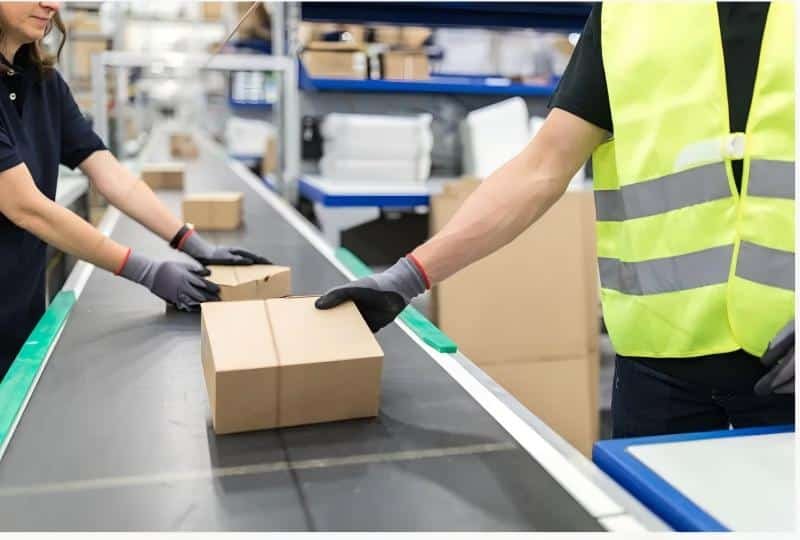
Shipping is the area with the highest loss of money in campaigns. Local rates may appear cheap, however global shipping to their followers across the globe, adds humongous variables.
| Shipping Cost Type | Why It Adds Up |
| International zones | Weighted country and weight rate variance. |
| Customs duties | Unplanned charges (usually 1030 of value) |
| Failed delivery | Re-shipment fee as a result of address problems. |
The creator tends to transfer customs duties as well as VAT in case it is not indicated in the campaign. Even corrections related to addresses will cause an increase in re-shipping costs in hundreds or thousands.
Fulfillment Costs That Erode Margins Quietly
Fulfillment is not only delivery of the packages but also picking, packing and accommodating variations such as add-ons or customary notes. These are costs that increase rapidly with the volume.
| Fulfillment Activity | Margin Impact |
| Manual kitting | High labor cost |
| Extended storage | Accumulating fees |
| Repacking | Double handling |
In campaigns where late pledges or add-ons occur then these expenses are unpredictable and in most cases consume the profits without notice.
By collaborating with skilled providers, creators are able to control these variables better. As an example, specialized crowdfunding fulfillment costs charges are much easier to plan when you deal with operators with the specialized requirements of reward-based campaigns.
Hidden Kickstarter Expenses Creators Rarely Plan For
In addition to the obvious, there are a few indirect costs that appear following the closure of funding.
| Hidden Expense | Why It Occurs |
| Data cleanup | Incomplete surveys |
| Support tickets | Delivery delays and questions |
| Replacement rewards | Packing errors or damage |
It may take weeks to respond to customer support and lost or damaged goods are replenished at a rate.
How Fulfillment Costs Become the Largest Variable Expense
The most unpredictable set of costs is the fulfillment costs since they will vary based on the location of the backers, the time when they have made the pledge and the complexity of the product. Late commitments create split deliveries, and heightened work at periods of fulfillment increases costs. In absence of buffers, these variables may even double or even triple initial estimates.
How Creators Should Calculate the True Cost of Kickstarter
Prior to the launch, develop a clear cost model that incorporates worst-case scenarios. Begin with unit production cost, overlay packaging and fulfillment, followed by shipping, region-duty-buffer contingency buffer.
| Cost Category | Planning Tip |
| Fulfillment | Budget by scenario (e.g., 20% add-ons) |
| Shipping | Plan worst-case regions and duties |
| Returns | Allocate contingency (5–10%) |
Revision total landed cost per level of reward. It would be to compute, not only the promise itself but what each of your supporters costs you to send.
Conclusion — Kickstarter Success Is Measured After Delivery
It is an accomplishment to fund a campaign, and there is no certainty to be profitable. The Kickstarter campaigns that are successful financially are so because the creators are aware and have factored in the entire cost of delivering. The real success is realized once funding is closed but as rewards are given to backers without causing a decrease in margins.
Treat fulfillment and shipping as part of the business and not an after thought and creators can safeguard their bottom line and instead of addressing firefighting costs concentrate on business building.