
Introduction
When it comes to the current environment in e-commerce, the selection of shipping methods and strategy has a direct influence on your bottom line and customer satisfaction, including various shipping options. Ground shipping moves more than 70 percent of domestic freight without any noise, and it can save businesses of any size unmatched cost savings. Whether you are an online retailer looking to reduce shipping expenses or a supply chain manager looking to access transportation, you need to know how to use ground shipping to succeed cost-effectively.
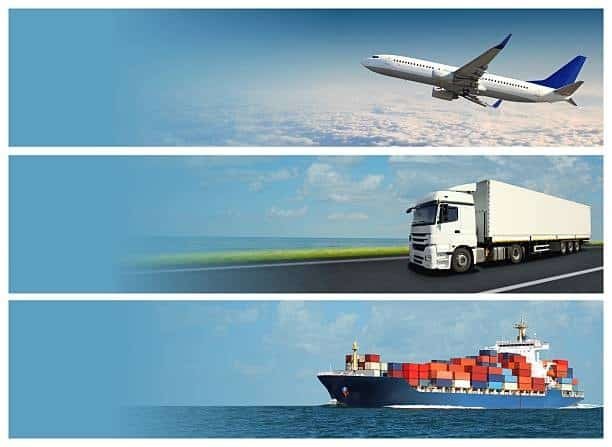
Ground shipping is the mode of transport through major carriers, shipping carriers via land means that are mainly by trucks and railways. Contrary to air freight, ground movement relies on a highly developed network of roads and rail to access practically any point within the boundaries of a country at much reduced prices.
What is Ground Shipping?
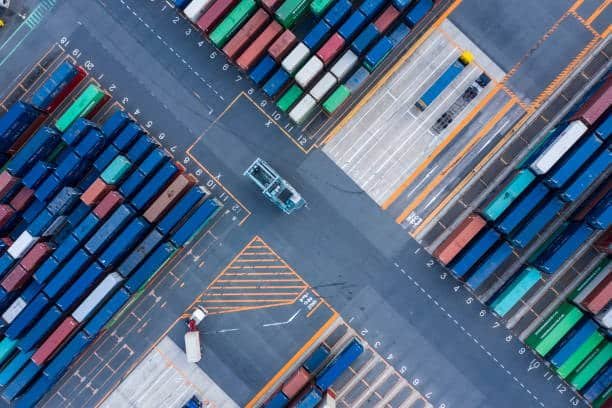
Ground shipping is a mode of freight transport where freight is transported solely over land, and it includes road transportation ( trucks ) and rail transportation (trains). This shipping mode is the cornerstone of local transportation systems, including last-mile delivery, which involves packages ranging in size from a small envelope and industrial equipment, making it a viable shipping option.
Ground shipping is by car on the surface and is done on trucks, tractor-trailers, as well as cargo trains, delivering ground packages efficiently. The majority of businesses are involved in local deliveries, but ground freight across borders unites the countries in the vicinity by connecting them via confirmed trade routes.
Types of Ground Shipping Services
Less Than Truckload (LTL) Shipping
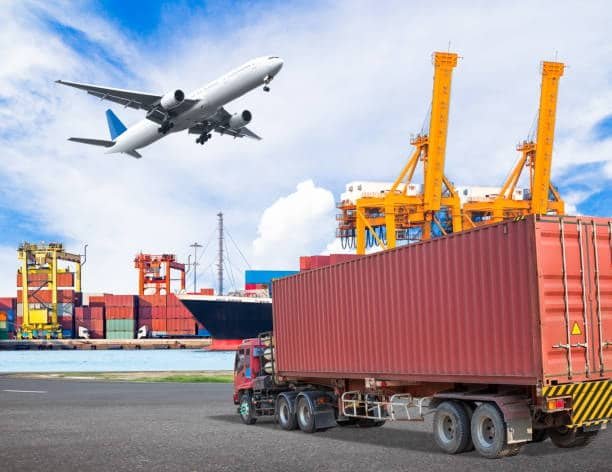
LTL shipping takes into consideration the needs of shipments that do not take a complete trailer. The shared space and cost of multiple customers per truck ensure the cost-effectiveness of this option for shipments of less than 10,000 pounds. LTL freight services involve pickup, shipping packages terminus consolidation, line-haul transportation and final delivery.
Full Truckload (FTL) Shipping
FTL shipping places the shipment of a single customer on a whole trailer. This is the best choice for standard shipping when the goods weigh more than 15,000 pounds or speed and less handling is of the essence. FTL is also more secure as freight is not combined with other deliveries.
Intermodal Ground Transport
Intermodal transport is a combination of rail and truck services that are long-distance. Most of the miles are delivered by rail, and pickup and final delivery are carried out by truck. This hybrid shipping service solution makes it cheaper when traveling more than 750 miles.
How Ground Shipping Works
Package Collection and Pickup
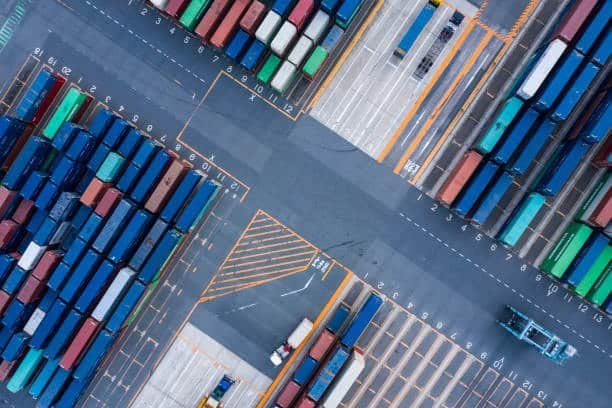
The ground shipping operation starts with the collection of the packages in the vicinity of the shippers. The carriers offer scheduled collection to high-volume clients or take drop offs at the retail outlets and terminals. Documentation and labelling are done properly to facilitate processing.
Sorting and Hub Operations
Packages are sorted at regional sorting hubs where packages are sorted by destination, level of service and mode of transport using sophisticated systems. These centers handle thousands of packages an hour by scanning barcodes and using automated systems.
Transit and Line-Haul Transport
Distributed freight to suitable vehicles- trucks on direct routes or trains on long-distance portions. Line-haul services transport shipments between hubs and terminals with regional hubs by means of optimal route networks.
Final Mile Delivery
Local delivery service trucks carry packages in distribution centers and deliver packages to final consumers. The last-mile portion is the most complicated aspect of ground-based shipping that needs the optimization of routes and customer coordination in order to be completed successfully.
Advantages of Ground Shipping
Cost Effectiveness Compared to Air Freight
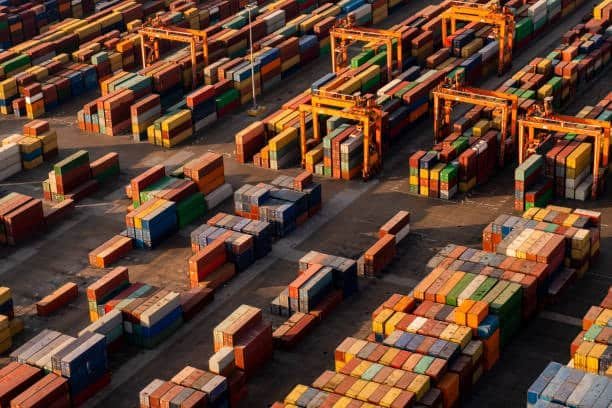
Ground shipping costs 50-80% less. The ground transportation is half to a quarter of the cost of air freight. A 10-pound package covered 1,000 miles by ground requires $15-25 whereas the price per pound covered by air is 75-150. These savings further multiply on the bigger shipments, offering discounted rates, in which air freight has become prohibitively costly.
Extensive Geographic Coverage
Ground networks also connect to virtually any location that can be accessed via road, such as far-flung rural locations without airport facilities. Such widespread coverage means that a business can also consider international shipping without being restricted in terms of geographic coverage on the way to serve its customers within whole countries.
Environmental Benefits and Sustainability
Trucks produce 40% fewer emissions. According to EPA statistics, trucks generate 40 percent less emissions per ton-mile than aircraft do. Even less is raised by rail transport, which produces only 25% of the emissions per ton-mile that trucking produces. These are some of the environmental benefits that promote corporate sustainability.
High Capacity for Heavy Items
Ground transport can carry huge loads with small packages to huge multi-ton machinery. Compared to air freight, which has a set weight limit, ground shipping rates go up slowly with weight, meaning it is viable when dealing with dense products.
Disadvantages of Ground Shipping
Longer Transit Times
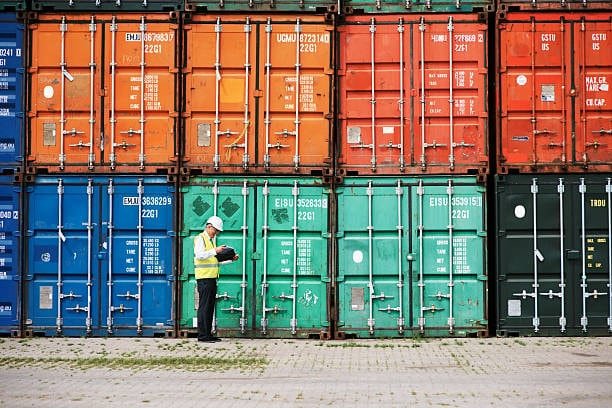
Domestic deliveries of ground shipping usually take 1-7 business days as compared to same-day or overnight air services. Shipments across countries can take as long as one week, and this proves to be a challenge to businesses that have time-sensitive products or customers.
Weather and Traffic Delays
Weather changes such as snowstorms, hurricanes, or flooding may greatly postpone the shipments on the ground. Congestion on the road, construction works, and mechanical failures add further uncontrollable delays to those caused by the carriers.
Multiple Handling Points
Ground deliveries will go to multiple sorting facilities and switch between various vehicles, which will further expose the shipment to damage or loss. There are other risks associated with LTL freight, such as sharing trailer space with incompatible freight.
Ground Shipping vs Air Freight
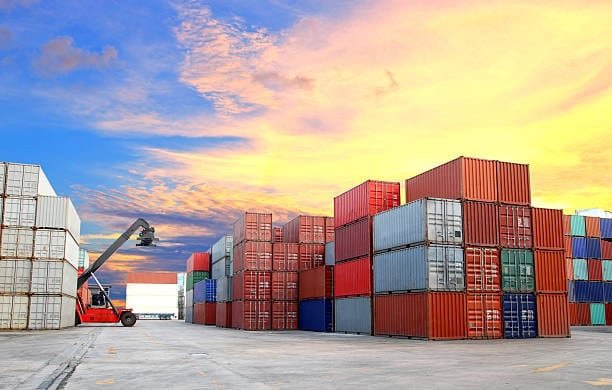
Speed comparison: Comparison of speed. Air freight is delivered within 1-2 days, whereas ground shipping takes 3-7 days to cover the same distance. Nevertheless, the disadvantage of the speed of ground is less with shorter regional deliveries, where the difference in transit time reduces to only 1-2 days.
Cost analysis: Ground shipping will offer free shipping and tremendous discounts, which are usually 60-80 percent lower than air freight. To companies that make frequent shipments, this difference in cost can translate into thousands of dollars each month in saved shipping costs.
Ground Shipping vs Rail Transport
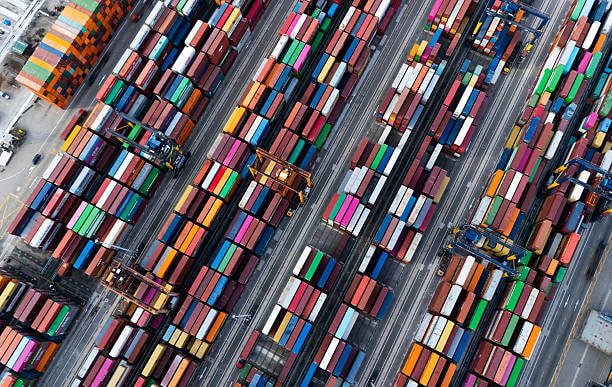
Coverage differences: Trucking offers direct delivery, and it serves destinations that are not connected via rail. Long-distance rail transportation has lower per-mile expenses but involves extra trucking legs to make full delivery standard shipping services.
Transit time factors: Direct truck routes are usually faster than rail over distances of less than 500 miles. Intermodal connections without delays allow rail to be time-competitive on longer hauls.
Factors Affecting Ground Shipping Costs
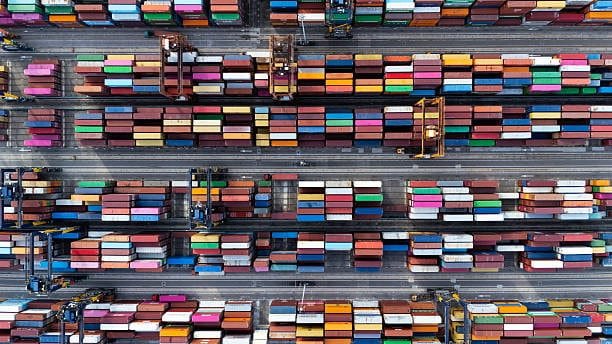
Distance and Geographic Zones
Carrier zone-based pricing is a form of pricing based on distance increments instead of proportionately. Urban destinations are normally cheaper because of increased package space and shipping labels, while rural deliveries are likely to attract extra charges and lengthy delivery durations.
Package Weight and Dimensions
Carriers’ fee on the basis of actual weight or dimensional weight (length x width x height/ 166), whichever is higher. Bulky dimensions: Lightweight goods are not cheap because there is dimensional pricing, which takes into consideration the amount of space occupied in cars.
Seasonal Demand and Fuel Costs
Costs are escalated due to the peak shipping seasons, which come with capacity and high demand, but you should look for services that provide a money-back guarantee. The fuel surcharges are varied weekly according to the diesel prices and may increase the base rates by 15-25 percent during times when fuel prices are high.
Optimizing Ground Shipping Performance
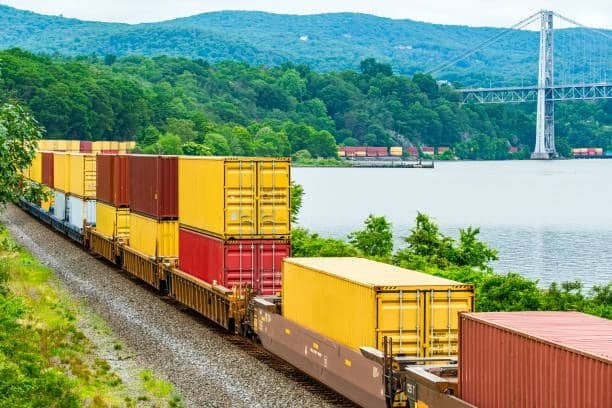
Strategic Packaging Decisions
Instead, the correctly sized boxes should be used, and they should be close to the product sizes to reduce the dimensional weight freight. Use quality materials such as strong corrugated boxes, UPS ground, good cushions, and powerful packing tapes to avoid claims of damage with Priority Mail.
Carrier Selection and Rate Shopping
Ensure that you maintain ties with several carriers to be able to compare prices and the level of services on each type of shipment. Track carrier delivery performance, damage rates, and customer satisfaction to make a data-driven selection decision.
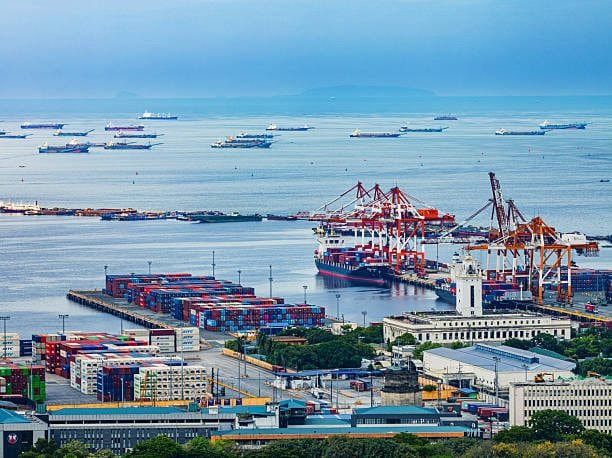
Planning and Inventory Management
Whenever possible, plan shipments far ahead to eliminate the costly expedited service. Think about strategic inventory positioning as being near large customer concentrations in order to shorten transportation distances and costs.
Common Ground Shipping Misconceptions
“Ground Shipping Always Takes a Week”
In the modern world, ground networks usually take 1 to 3 business days to deliver regionally fedex ground shipping. Express ground services are available at relatively low prices, with next-day or two-day delivery through top ground shipping carriers. This removes the need to assume that delivery times will be long.
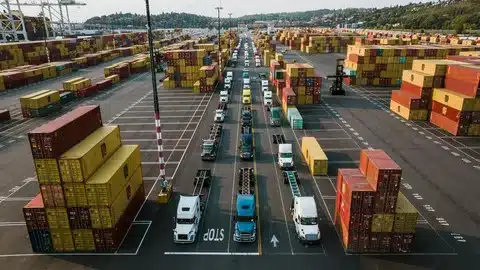
“Cheaper Shipping Means Poor Service”
Large ground carriers have advanced monitoring systems, quality control, and standards of service that are equivalent to premium services. Less money may not mean less quality services when dealing with the established ones average ground shipping time.
Frequently Asked Questions
How long does ground shipping take? Shipment times are 1-2 days to the regions and 4-7 days to cross-country, depending on the distance and level of service offered by major shipping carriers. Saturday delivery.
Is ground shipping insured? Basic liability coverage is offered by carriers and is usually 0.60-1.00 per pound. Valuable shipments can be insured additionally in carriers or using third parties.
Can I track ground shipments? Yes, every large carrier provides full-scale tracking via online portals and mobile applications, as well as automated notifications during the delivery.
Conclusion
In most cases, ground shipping is a good balance of reasonable cost, reliability, and coverage of the freight transportation requirements. Although it might not be as fast as air freight, it is better than air freight in terms of a reasonably priced middle ground that many companies demand and can sustainably operate USPS retail ground.
Ground shipping is the most reasonable when cost control is the priority, the delivery time of 1-7 days is not important, and you ship in domestic markets where there is already a well-developed system of ground networks, standard ground shipping. When customers choose ground shipping, it takes strategic planning to succeed, including the appropriate packaging, management of the carrier relationship, and realistic customer expectations regarding the time frames of delivery, discounted shipping rates.
With further technology growth and with sustainability becoming more and more valuable, ground shipping is likely to continue to be more appealing to e-commerce businesses who want to find the effective, low-cost, and reliable transportation options that will assist not only in keeping their businesses profitable but also ecologically responsible ground shipping ups.