
Introduction
Less-Than-Truckload (LTL) freight shipping has become the backbone of modern logistics. It lets companies and different shippers send less cargo without having to pay for a full truck load. In today’s competitive market, where the supply chain’s efficiency directly affects profits, LTL freight is the best way to save money and be flexible at the same time.
This detailed guide will teach you everything you need to know about ltl shipping, from the basics of the concept to the best ways to improve your logistics processes for both small and large ltl shipments.
What Is LTL Freight?

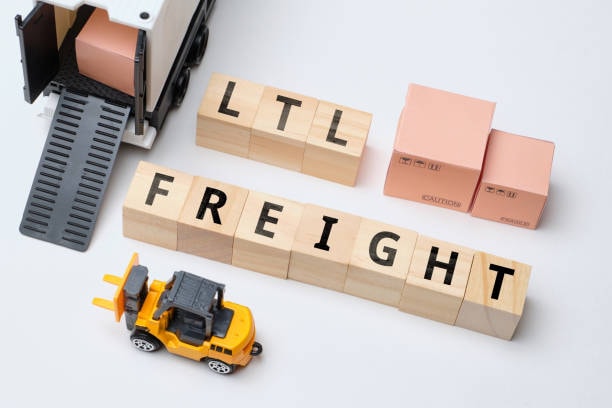
When you use LTL freight (Less-Than-Truckload), different ltl freight shippers share truck space and shipping costs. You only pay for the weight of the trailer that your ltl shipment is in, which is usually between 150 and 15,000 pounds or 1 and 6 pallets.
Key Differences:
LTL vs Parcel Shipping for large shipments :
- Parcel shipping deals with packages that are normally less than 150 pounds.
- LTL freight seeks to handle bigger consignments that have to be palletized.
- LTL provides such freight specific offerings as liftgate delivery and inside delivery.
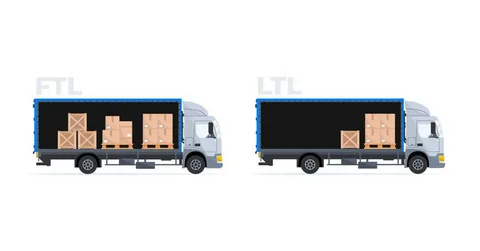
LTL vs FTL (Full Truckload):
- FTL is committed to a single shipper.
- LTL divides truck space with more than two shippers.
- FTL is economical when moving 15,000 pounds or more at a time and LTL is more effective in moving smaller loads.
Simple Example: For example, a truck is a taxi that people share. With FTL shipping, you rent out the whole taxi, whether or not there are passengers. With LTL, you can use more than one truck. This is similar to LTL in that you share the ride and the cost with other people going the same way.
How LTL Shipping Works
LTL shipping is a hub and spoke model which maximizes efficiency by consolidating freight:
The Process:
- Pickup: Freight is picked up by different shippers.
- Consolidation: Freight is received at the local terminals where it is sorted and consolidated.
- Line Haul: Unity transport goes within terminals in larger trucks.
- Deconsolidation: Freight is segregated at destination terminals to be delivered.
- Final Delivery: Packs are delivered individually.
Key Players:
Carriers: Carriers are logistics companies that own trucks and terminals, like FedEx Freight and Old Dominion. Freight Brokers: Businesses that work with shippers and carriers Third-Party Logistics (3PL): Businesses that handle all aspects of shipping Shippers are businesses that send goods.
This system lets carriers use their trucks 95% of the time or more at rates that are competitive with shippers, making it a cost-effective choice.
Benefits of LTL Freight
Cost Savings
When it comes to smaller deliveries, TLT freight work can save you 30% to 50% on shipping costs compared to FTL. You only pay for the space you use, not the truck’s capacity.
Flexibility for Small Shipments
This is a good option when the business doesn’t have a set number of smaller shipments to send out. You can ship 1 to 10 pallets right away without having to wait for more.
Environmental Impact
Using shared transportation, such as special services, makes better use of trucks, which leads to more security and a smaller carbon footprint. An LTL truck can take the place of 5 to 10 smaller trucks that are used for delivery. This cuts down on emissions by a lot.
Enhanced Services
The ltl providers offer value services such as:
- Delivery to places without loading locks with liftgate.
- In-room or in-floor delivery.
- Delivery services at home.
- Appointment scheduling
- Live computer monitoring and alerts.
Logistics Planning Efficiency
Consistent pick-up schedules and predictable transit time allows more effective inventory management and customer service planning.
Challenges & Drawbacks
Longer Transit Times
There is usually a 1- to 3-day difference in delivery time between direct FTL shipping and shipping with multiple stops and terminal transfers. Plan ahead for deliveries that need to be made quickly.
Increased Handling Risk
The more touchpoints there are, the worse the damage can be. However, this risk is lessened by the right packaging and a choice of carriers.
Complex Pricing Structure
The size, weight, type of freight class, distance, and other services all affect LTL rates. When the carriers find that different freight classes apply during an inspection, they may have to pay a reclassification fee.
Tips to Reduce Issues:
- Pack with certified materials and cushions.
- Recognize freight with NMFC.
- Develop ties with reputable carriers.
- Institute visibility tracking.
- Bear in mind freight insurance on important shipments.
Best Practices for LTL Freight Optimization
Proper Packaging
- Easy handling and low risk of damage with the help of pallets.
- Secure by shrink-wrap or by straps.
- Label all packages clearly with destination information.
- Place corner protectors on delicate objects.
Accurate Freight Classification
Know National Motor Freight Classification. Misplaced classification would result in reclassification fees that were an average of 75-150 per shipment.
Leverage Technology
- Transportation Management Systems (TMS): Automate the carrier selection and pricing.
- Tracking in real time: Track shipments and take proactive measures during delays.
- Analytics tools: Find where to save money and trends in carrier performance.
Build Strong Carrier Relationships
- Have a regular volume of shipping with favorite carriers.
- Bargain volume breaks and assured capacity.
- Open up effective communication lines on solving of issues.
Smart Consolidation Strategies
- Couple up a series of orders to one destination.
- Shipping zones should be optimized by using regional distribution centers.
- Shipment time to optimum truck utilization.
LTL vs FTL vs Parcel: Comparison
| Shipping Type | Weight/Size Range | Cost | Speed | Ideal Use Case |
|---|---|---|---|---|
| LTL (Less Than Truckload) | 150–15,000 lbs (1–6 pallets) | Affordable | Moderate (2–5 days) | Businesses with frequent small–medium shipments |
| FTL (Full Truckload) | 15,000+ lbs (full truck capacity) | Higher per shipment, lower per pound | Faster (1–3 days) | Large single shipments, time-sensitive freight |
| Parcel | Up to 150 lbs per package | Low for small items | Fast (1–3 days) | E-commerce, consumer shipping, small business supplies |
Real-Life Applications
Small Manufacturing Business
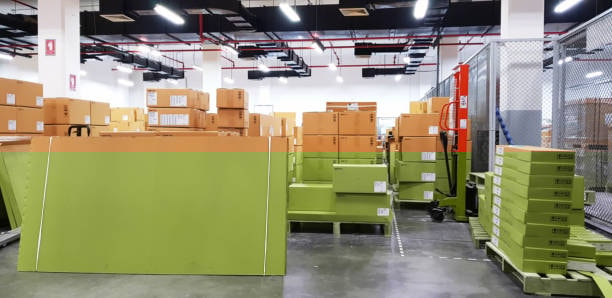
A furniture maker ships 3 to 5 pieces in an order within the country. Using LTL costs 45% less than sending multiple packages, and the furniture arrives safely on pallets.
Regional Retailer
A specialty food store that sells to 50 or more stores uses an LTL. Shipping to hubs in the region and then delivering locally costs 35% less than delivering directly to stores.
E-commerce Growth
A seller of fitness equipment switched from expensive FTL shipping to LTL shipping for orders with fewer than 10 items. Because it was so flexible, it could offer competitive prices and keep its promise of 3-day delivery.
B2B Supplier
Supplier of parts for industry When a customer orders a shipment of one to six pallets, LTL is used. Smart consolidation and partnerships with LTL carriers can help you get predictable costs and transit times.
Frequently Asked Questions
What’s the typical weight range for LTL freight?
Less than container load (LTL) freight usually weighs between 150 and 15,000 pounds. When shipping less than 150 lbs, parcel carriers are usually cheaper. When shipping more than 15,000 lbs, full truckload shipments are usually needed.
How are LTL shipping rates calculated?
The LTL rates can vary due to a number of factors:
- Mass and size of the ordered product.
- Freight category (mass, packability, handling necessities)
- Distance of origin and destination.
- Other services (liftgate, inside delivery, residential)
- Accessorial charges, fuel surcharges and accessorial old dominion freight line.
Is LTL freight better for small businesses?

Yes, ltl carriers can be suitable to small-median businesses since it provides various options with flexible handling requirements:
- Cheap than FTL on smaller movements entire truck.
- Professional marketing of freight and its tracking.
- Extra services with no minimum volumes.
- Ability to ship different amounts depending on the demand.
Can I ship fragile goods via LTL?
Absolutely. Fragile goods can be consumed through LTL by the means of proper packaging and freight class assignment. Consider:
- Fragile freight class (Usually Class 125-175) is used.
- Professional wrapping that is well cushioned.
- Freight-insurance of valuable goods.
- Use of carriers that have good handling record.
How long does LTL shipping typically take?
Transit time depends with distance and carrier, but the common ranges are ltl carrier:
- Regional (less than 500 miles): 1-2 days of business.
- Cross-country: 3-5 business days shipping costs
- Normal LTL: 2-5 business days based on distance.
What additional services are available with LTL?
Common LTL services include:
- Liftgate service to non-loading dock locations.
- Interior delivery to certain points in buildings dominion freight line.
- Home delivery to home delivery addresses.
- Time of delivery of appointments shipping freight.
- Freeze protection on temperature sensitive goods.
Conclusion
When a business wants to improve its logistics performance and cut costs, it is important to know what LTL freight shipping means. LTL has a lot of advantages over other types of shipments that require specialized carriers, such as lower costs, more flexibility, and more service options. However, for LTL to work, it needs to be properly planned, properly classified, and have a good relationship with the carrier.
Finding the right services and carriers for your shipping needs is key to the success of LTL. Businesses can save 30% to 50% of the cost and still get the same level of reliability from their ltl freight services by using best practices for packaging, classification, and consolidation.
Are you ready to make the most of your shipping plan? Start by looking at your current freight trends and seeing if there are any chances to combine LTL shipping methods. Think about working with well-known logistics companies that can help you navigate the maze of LTL shipping and get your goods to customers quickly and cheaply.