
FCL shipping versus LCL shipping costs, transit times and benefits. Find out when to use full container load or less than container load to achieve top freight logistics in 2026.
Introduction: Setting the Stage
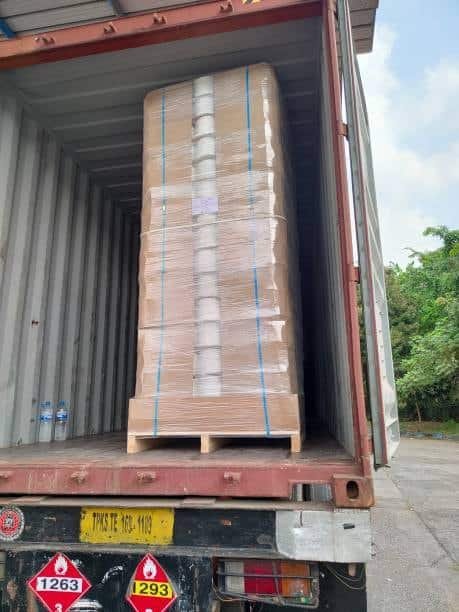
When you send goods across borders, one of the most important decisions you’ll have to make is whether to use FCL (Full Container Load) or LCL (Less Than Container Load) shipping with a reliable freight forwarder. This choice will have a direct impact on your costs, delivery times, and the reliability of your supply chain starting at the origin port. You should know what “fcl full container load” means.
You only use one container for your whole shipment when you use FCL, or Full Container Load. You don’t have to fill it all the way. Less than Container Load (LCL) means sharing space in a container with other people’s goods and only paying for the space. Full Container Load (FCL) means using the entire container.
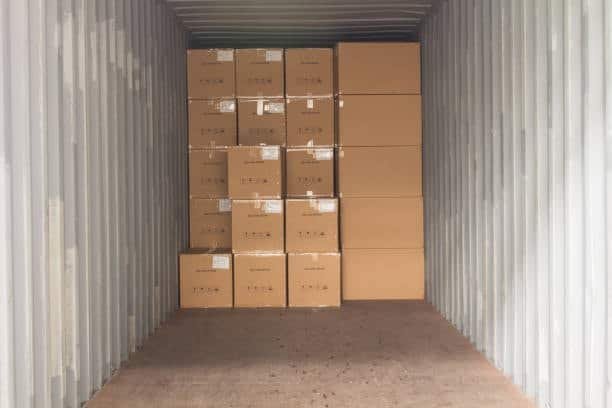
It’s important for your business to know the shipping terms and the difference between these two shipping methods. This isn’t just logistics jargon; it’s a choice that will or won’t affect your profit levels, customer satisfaction, and work performance compared to other modes.
Why This Comparison Matters
Shipping decisions impacting the bottom line of every business are made on a daily basis. Common pain points include detention fees related to a shipping container at the destination port :
- Budget factors, which demand economical shipping options.
- Delivery issues that need to be delivered in a hurry that cannot afford to be delayed.
- The fixed shipment quantity that varies with seasonal demand.
- Risk management is about cargo damage or loss.
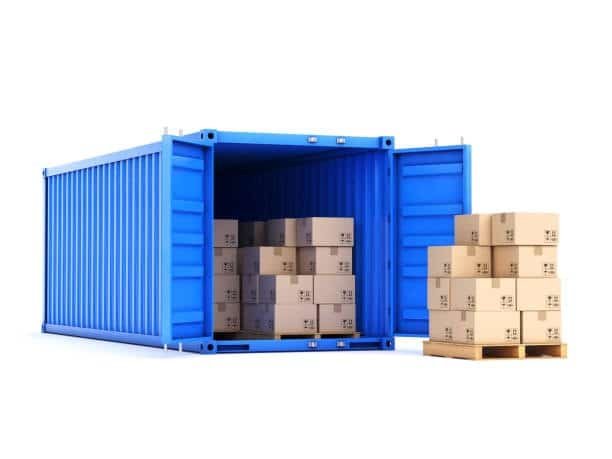
Choosing the wrong shipping method can lead to problems in the supply chain, higher costs, and missed opportunities to save money on other shipments. It can also cause products to be delayed in their release and unhappy customers. E-commerce companies that deal with dangerous goods manufacturers and importers have a lot at stake. They need reliable fcl shipments and cargo ship international logistics.
FCL Shipping Explained
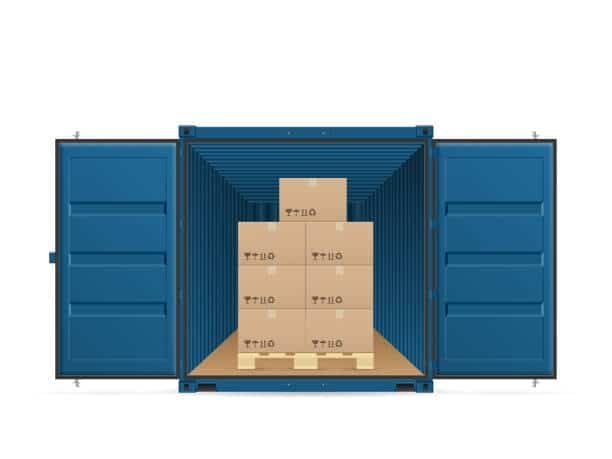
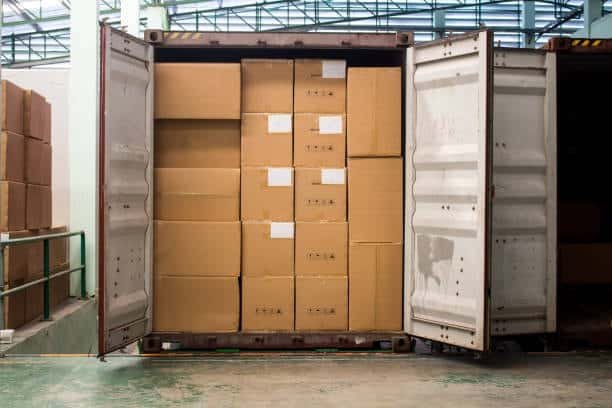
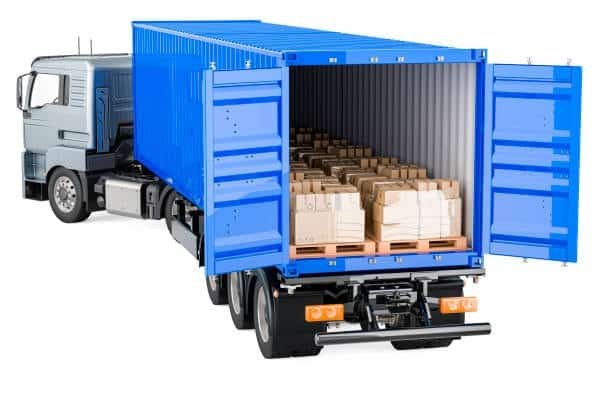
When you use Full Container Load (FCL) transportation, you reserve a container just for yourself. You pay the full capacity of the container no matter how big the items you are shipping are. This is a cost-effective choice because it depends on how much space the container loads take up, whether it’s 5 cubic meters or 25 cubic meters.
The FCL Process
- Your shipment is loaded in a blank container at source.
- The container is sealed, is not opened during transit.
- Direct shipment to destination without any in-between processing.
- The container is not opened until the end of the destination.
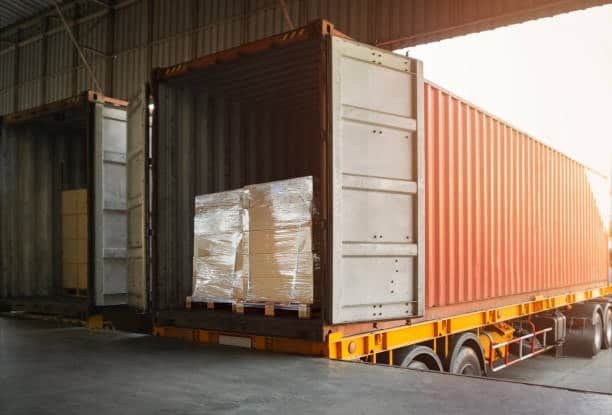
FCL Benefits
- Shorter transit times: No consolidation delays or multi stops.
- Less risk of damage: Less cargo handling and no mix-up with other consignments.
- Standardized pricing: Determined rates of containers irrespective of exact volume.
- Increased security: Controlled container diminishes the possibility of theft.
- More control: You control schedules of loading/unloading.
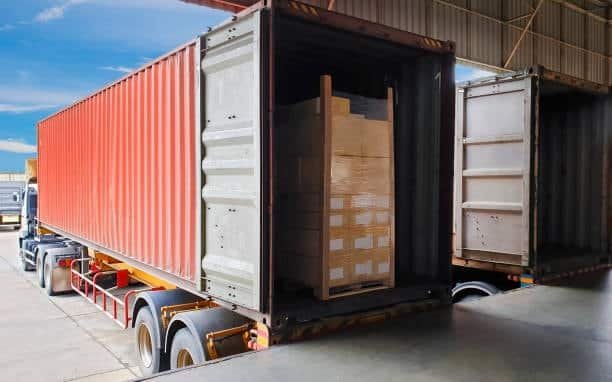
FCL Drawbacks
- The increased costs of making small shipments: The payment of unused container space.
- Volume considerations: This is only most cost-effective when you have large cargo.
- Less flexible: Adheres to full container prices when it is not fully loaded.
LCL Shipping Explained
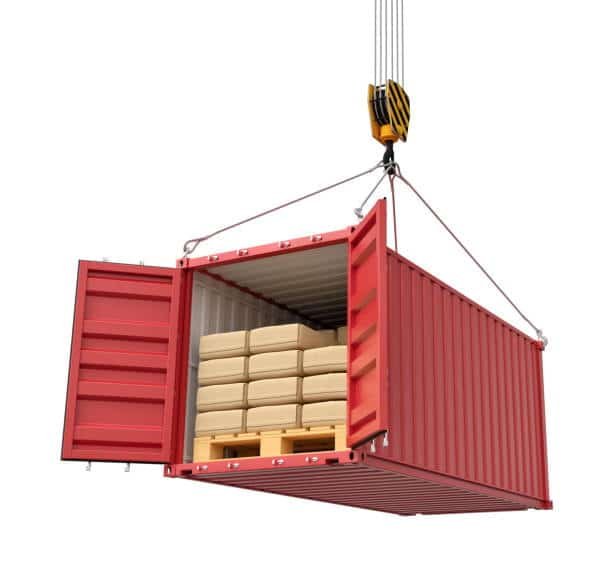
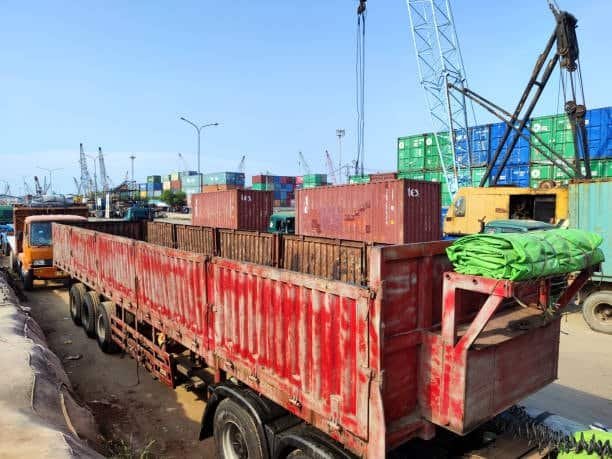
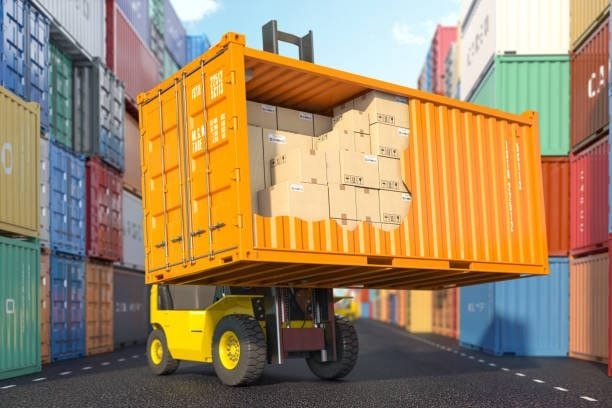
With Less than Container Load (LCL) shipping, more than one shipper can use the same container room, and each shipper pays a fee based on how much space they take up. This is a consolidation service that is most useful for small shipments that don’t need a whole container. It is often used in ocean freight.
The LCL Process
- The delivery of your cargo is to a consolidation warehouse.
- Other shippers have other cargo mixed with goods in shared containers.
- Container is shipped to destination country deconsolidation facility.
- Your shipment is shipped and transported to end destination.
LCL Benefits
- Savings of costs: Pay what you use.
- Flexibility: Ship less without full container obligation.
- Less financial risk: Less amount of investment per shipment.
- Accessibility: Can be used by businesses of any size.
LCL Drawbacks
- Increased transit times: More time of consolidation and deconsolidation.
- Increased risk of damage: There are numerous handling stages that enhance risk of damage.
- Less foreseeable time schedule: It depends on the cargo of other shippers.
- Complicated prices: There are different charges and additional charges.
Side-by-Side Comparison
| Factor | FCL Shipping | LCL Shipping |
| Cost | Higher upfront cost, lower per-unit cost for large volumes | Lower upfront cost, higher per-unit cost |
| Transit Time | 15-30 days (direct routing) | 20-40 days (consolidation delays) |
| Flexibility | Less flexible, full container commitment | More flexible, pay for actual space used |
| Risk Level | Lower (minimal handling, sealed container) | Higher (multiple handling points) |
| Best Suited For | Large shipments, urgent deliveries, high-value goods | Small-medium shipments, flexible timelines, budget-conscious shipping |
| Minimum Volume | Typically 10+ cubic meters | As low as 1 cubic meter |
| Control | High (exclusive container use) | Limited (shared space, coordinated scheduling) |
How to Choose Between FCL and LCL
Step-by-Step Decision Guide
Step 1: Assess Your Shipment Size and transport method.
- FCL is generally economical in the case of 15-plus cubic meters shipping.
- LCL is most appropriate with shipments of less than 15 cubic meters.
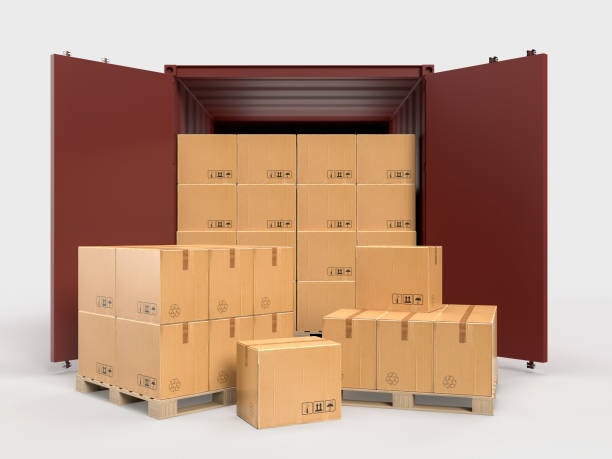
- divide your cargo space: Length Width Height of all packages.
Step 2: Consider Urgency
- Need goods within 2-3 weeks? Choose FCL
- Can wait 4-6 weeks? LCL may offer better value
- Add delays in shipping seasons and ports.
Step 3: Review Your Budget
- Do not just compare ocean freight rates, compare total landed costs.
- Add other LCL expenses: consolidation, deconsolidation, handling expenses.
- Think about cash flow effect of various payment plans.
Step 4: Factor in Risk Tolerance
- Fine or delicate merchandise is better off with less handling of FCL.
- LCL can be used in the standard goods that are less risk-tolerant.
- Compare the cost of insurance of each approach.
Example Scenarios
A small online store: A fashion store that brings in 8 cubic meters of clothes from Asia should choose LCL to make sure the clothes get to the destination warehouse on time. The benefits of the lower prices are better than the longer trip times, and fashion goods are not as fragile in global trade.
A large electronics importer should choose FCL if they export 20 cubic meters of consumer electronics. Electronics are expensive and break easily, so the whole space needs a faster, safer transit charge.
Common Mistakes & How to Avoid Them
Misjudging Cargo Volume
Most shippers do not estimate their cargo sizes which causes them to incur extra costs flat rate. Measuring packages is always important and packaging materials should be counted cargo occupies.
Ignoring Hidden Fees
LCL shipping consists of many other fees: consolidation, deconsolidation, documentation fees, handling fees. Ask to be given very specific quotes that cover every possible expense vary depending.
Not Planning for Consolidation Delays
The LCL deliveries can be held in transit until more cargo can be loaded to the container. Create buffer time into supply chain planning one container.
Overlooking Insurance and Handling Risks
LCL is cheaper in the short run but more damage risks are caused by additional handling. Include the factor insurance cost and possible loss in your decision.
Real-World Case Studies
Case Study 1: Furniture Retailer’s FCL Success
One of the mid-sized furniture stores was spending an average of $12,000 a month on a series of LCL shipments. By combining orders and switching to bi-weekly FCL shipments, they have cut costs by 30% and delivery times by 22 to 35 days. The trick was to change their inventory system so that it could handle bigger, less frequent orders.
Case Study 2: Startup’s LCL Strategy
LCL worked for a health supplements start-up company for the first two years and delivered 3 to 5 cubic meters of goods every month. They could look into markets without having to spend a lot of money on inventory before the container arrived. They were able to switch to FCL and save 40% on shipping costs per unit because sales went up to 18 cubic meters per month with FCL shipping.
Conclusion
When deciding whether to use FCL or LCL shipping or to ship fcl for larger volumes, you need to think about your business needs, the amount of cargo, your budget, and the time frame. LCL is less expensive and more flexible for smaller shipments, while FCL is faster, safer, and more predictable for larger shipments, especially when you think about fcl shipping rates.
The key is to make sure that your shipping strategy fits with your business and that you plan for customs clearance. LCL is the first step for businesses that are growing, and FCL is the next step as volumes go up. Some people use both methods depending on the season and the type of products in the same container.
Are you ready to get the most out of your shipping? Start by figuring out the average number of shipments you’ve had, and then figure out the total landed costs for each of the two options. You can ask several freight forwarders for quotes to help you decide which one to fully ship fcl.
Action step: Look at your shipping history from the past six months, figure out the average weight of your shipments, and figure out which route would have saved you the most money while still getting your packages to your customers on time. You need to choose the right shipping lines, which will affect how well your supply chain works and how much money you make.