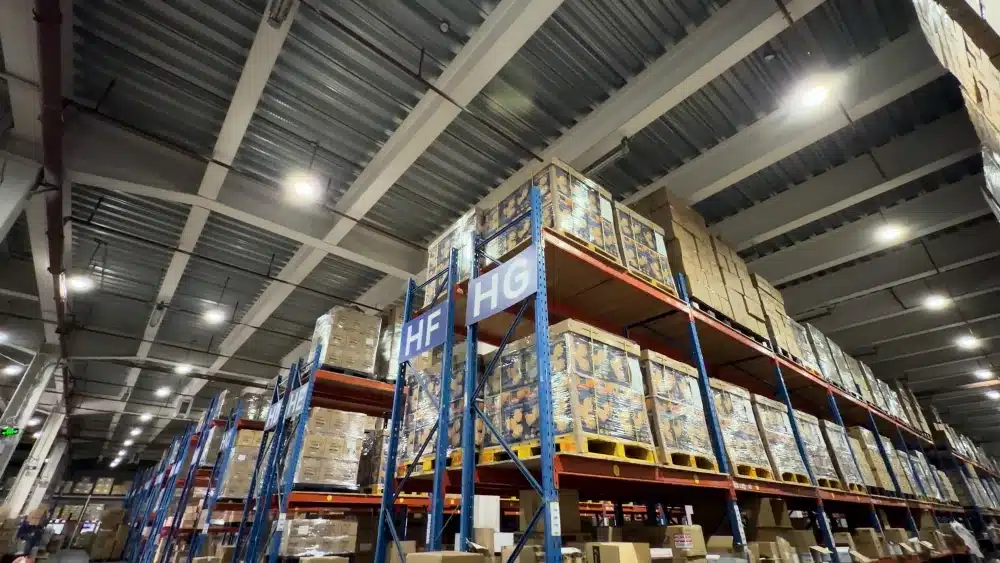
Dropshipping vs Warehousing: Which Is Better?
Warehousing and dropshipping are two radically different models of fulfillment in the eCommerce arena. Dropshipping allows merchants to begin with […]

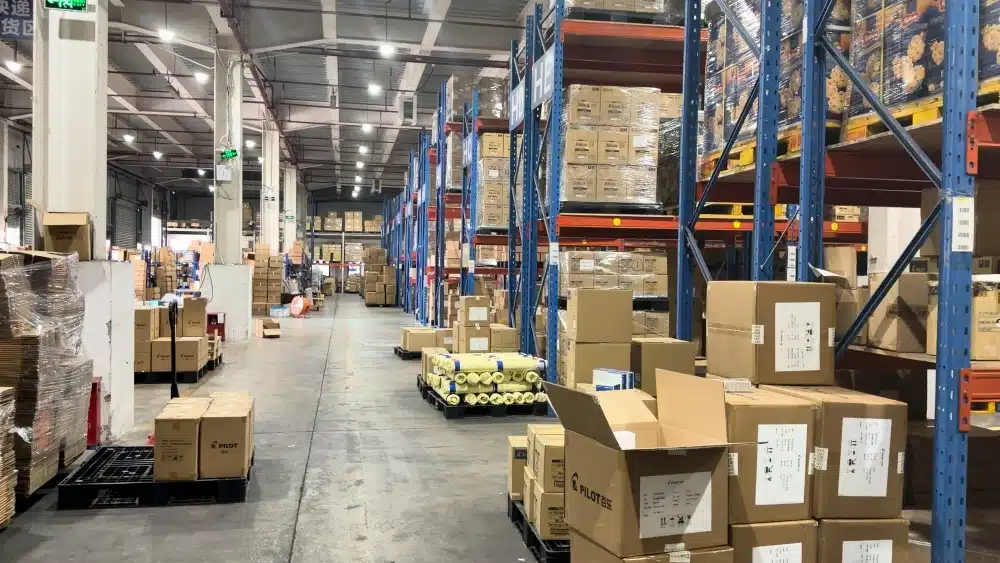
Warehousing and dropshipping are two radically different models of fulfillment in the eCommerce arena. Dropshipping allows merchants to begin with […]
Green fulfillment certification demonstrates measurable sustainability standards in packaging, shipping, and carbon tracking. This guide explains how verified fulfillment practices enhance brand image, improve marketplace compliance, and strengthen consumer trust while supporting long-term operational efficiency.

Gen Z consumers increasingly evaluate brands based on sustainability, including packaging, shipping methods, and carbon transparency. This guide explains how fulfillment practices influence purchasing decisions and how ecommerce brands can align operations with Gen Z expectations while maintaining efficiency and cost control.
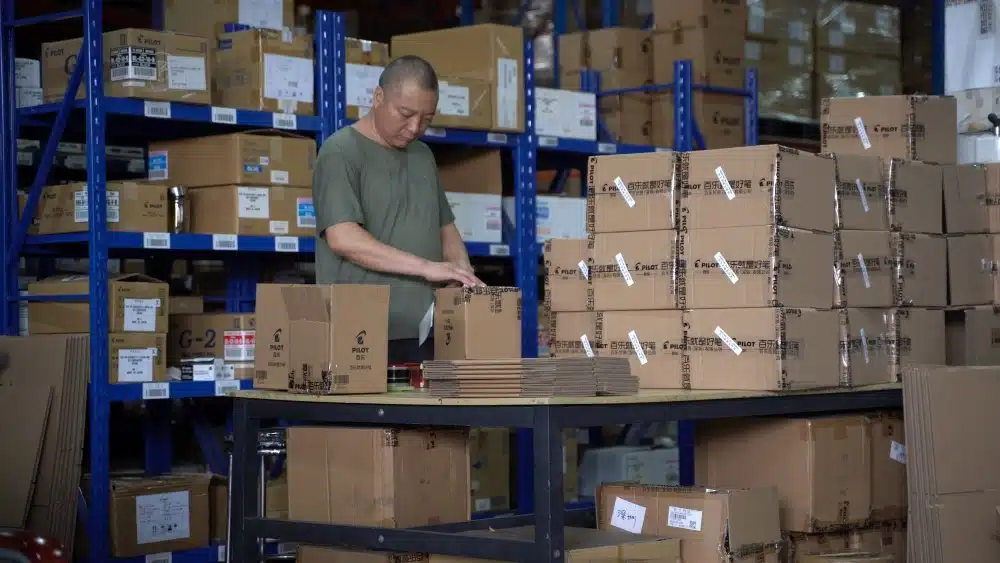
Circular economy models in fulfillment focus on reusable packaging systems and structured return logistics. This guide explains how ecommerce brands can integrate reverse logistics, inventory tracking, and reusable materials to reduce waste, control costs, and improve long-term sustainability performance.
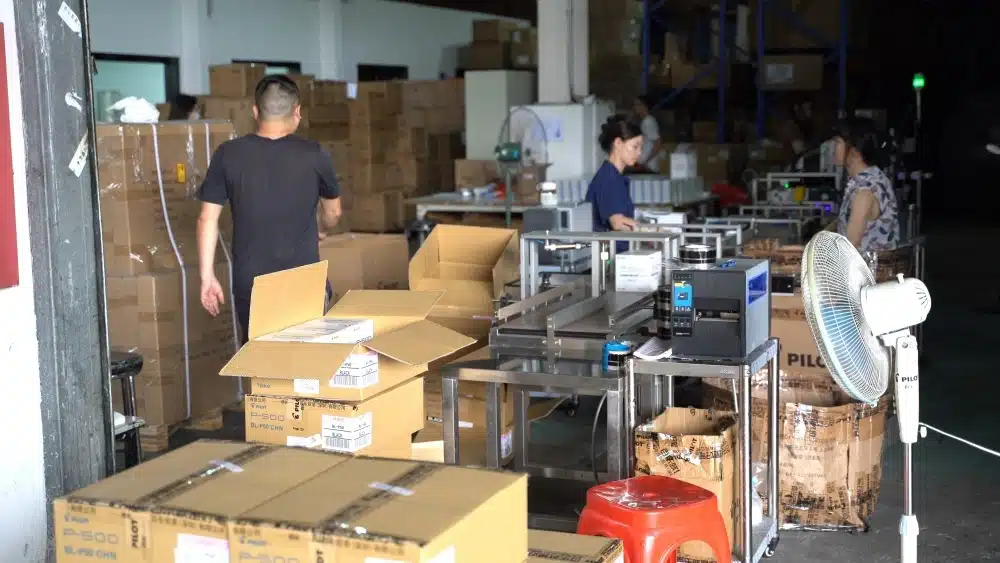
FSC-certified packaging ensures paper materials come from responsibly managed forests. This guide explains what FSC certification means, how to verify supplier credentials, and how ecommerce brands can source compliant packaging from China while maintaining supply chain transparency and sustainability standards.
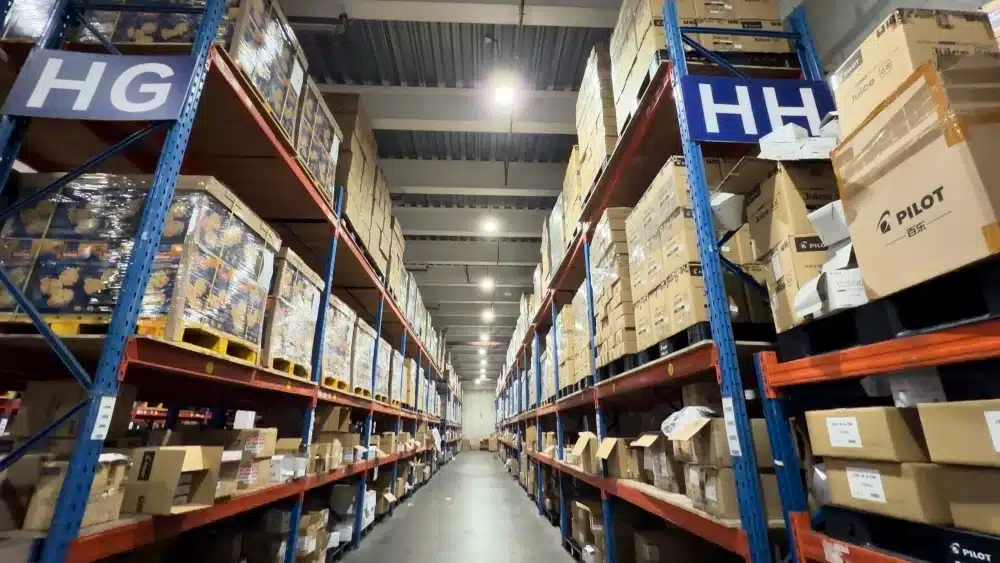
Understanding your ecommerce carbon footprint requires analyzing fulfillment-related emissions from transport, packaging, and warehouse operations. This guide explains how to calculate shipping carbon impact, evaluate transport modes, and measure operational emissions to support sustainable supply chain decision-making.
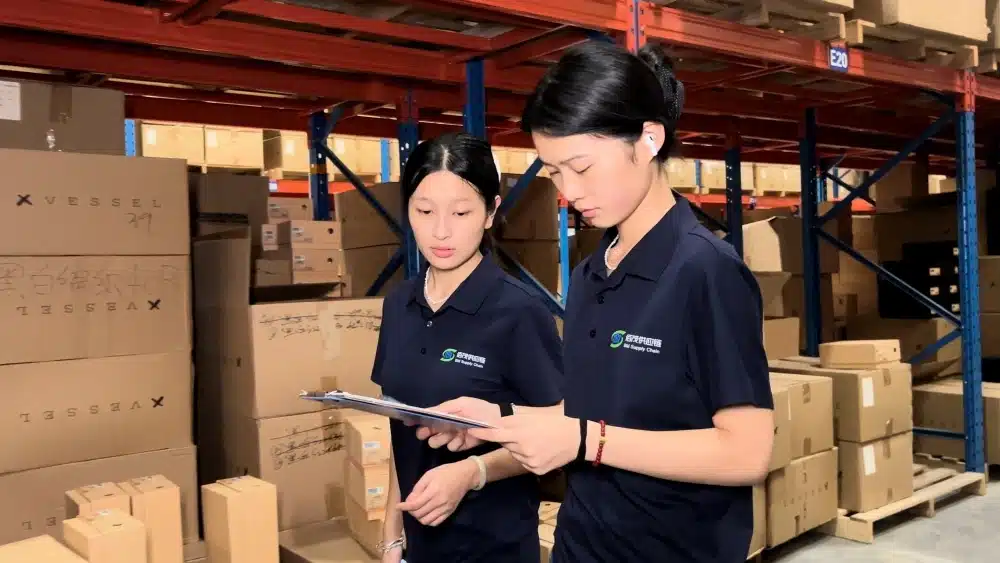
Plastic-free packaging is becoming essential for ecommerce brands seeking sustainable operations. This guide explains the differences between biodegradable, compostable, and recyclable materials, how they affect shipping durability and cost, and how brands can transition away from plastic without compromising fulfillment performance.
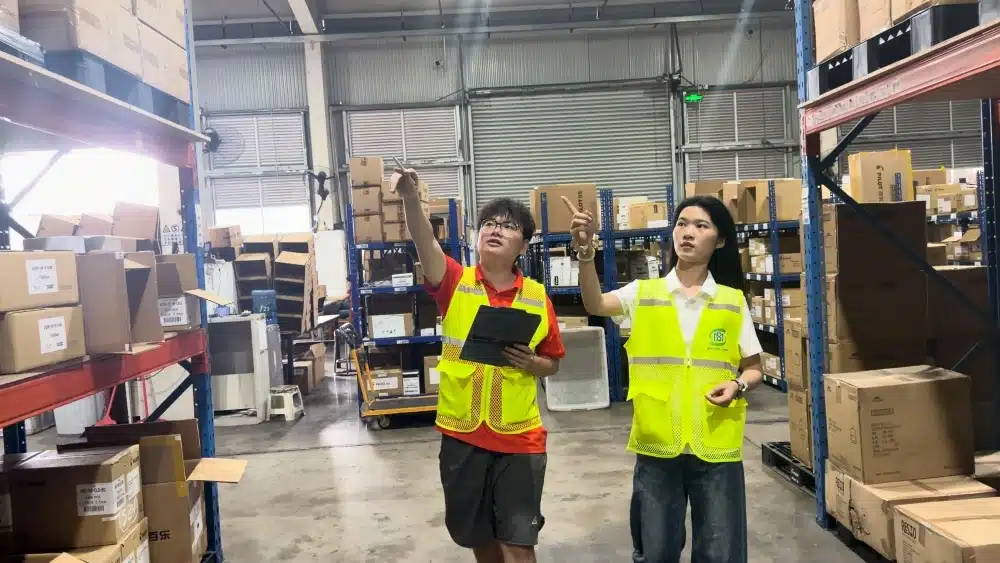
Carbon-neutral shipping helps ecommerce brands reduce and offset fulfillment emissions. This guide explains how shipping emissions are calculated, which transport modes generate the most carbon, and how operational efficiency and verified offset programs can support sustainable supply chain goals.

Sustainable packaging for ecommerce requires more than switching to recyclable boxes. This guide explains eco-friendly packaging alternatives from China, including FSC-certified materials, plastic-free options, biodegradable solutions, and how to integrate sustainability into your fulfillment strategy without increasing logistics complexity or cost instability.
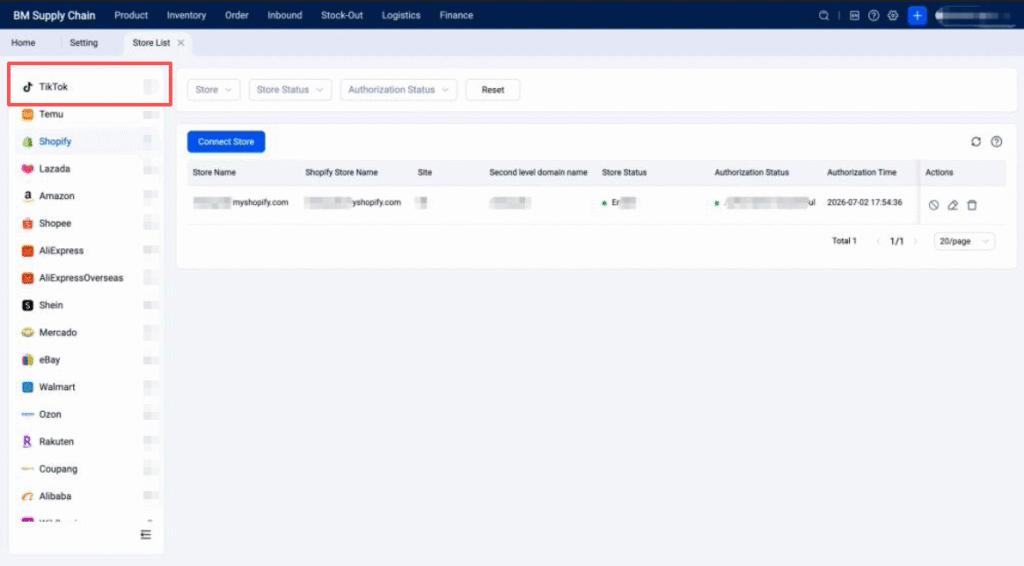
Slow fulfillment on TikTok Shop can trigger seller penalties, increase late shipment rates, and reduce account visibility. This guide explains how performance metrics, tracking delays, and operational instability affect seller health and how structured fulfillment systems reduce compliance risks.

High return rates on TikTok Shop can damage seller performance and reduce account visibility. This guide explains how fulfillment structure, quality control, packaging standards, and reverse logistics planning affect return rates and how sellers can implement operational systems to reduce refund risks.
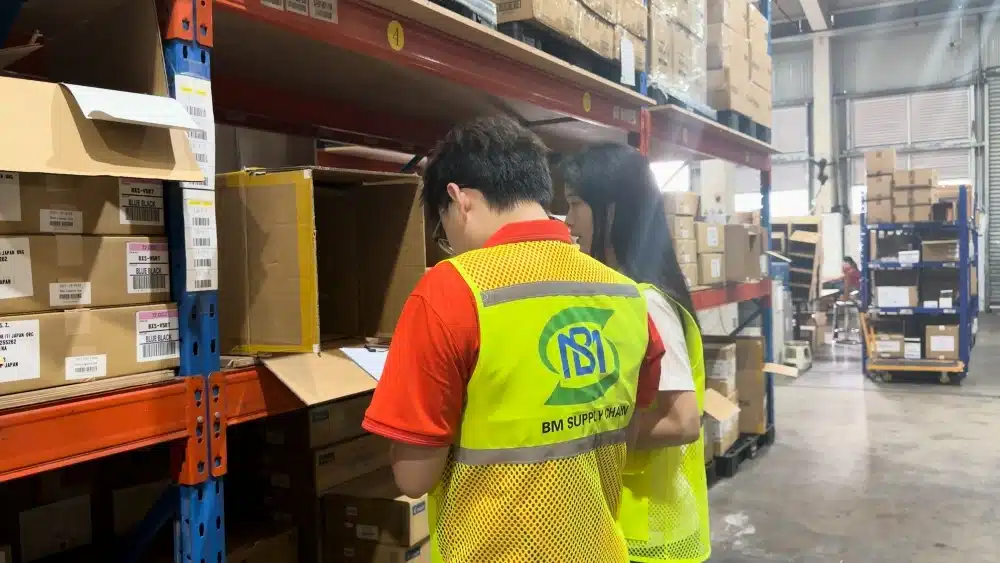
True 2-day delivery on TikTok Shop demands US-based inventory, not just faster couriers from China. This operational guide breaks down how a China 3PL supports pre-stocking, quality prep, and seamless replenishment cycles—combined with API integration—to hit TikTok’s strict dispatch timelines, reduce late shipment risks, and maintain strong seller performance.