
Author name: Yang

Yang
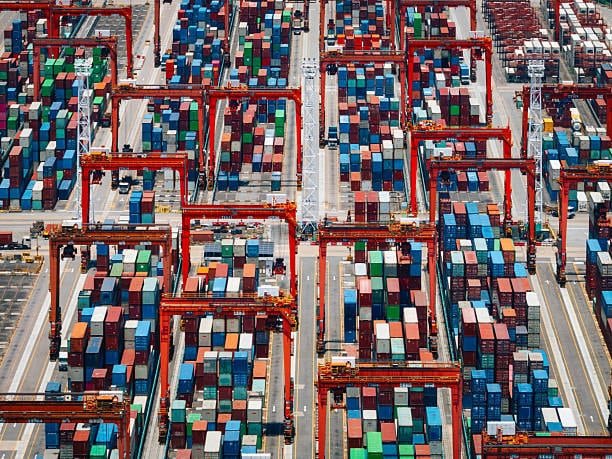
Aerial view of automated port cranes moving containers along international shipping routes.
Blog

Shipping Channels: Global Routes & Critical Chokepoints

Global shipping routes and chokepoints are the key infrastructure of international commerce, through which major shipping routes such as the Suez Canal, Panama Canal, and Strait of Malacca conduct huge volumes of commerce. Billions of dollars in daily losses, supply chain delays, and economic volatility can occur as a result of disruptions at these narrow geographic bottlenecks. Although there are other ways, they usually include extra costs and time. The future aspects involve the development of Arctic routes because of climate change, changing geopolitical risks, and because of technological innovation in shipping. Risk management involves learning the vulnerabilities of chokepoints, which is an attempt to develop alternative routing approaches, and keeping the supply chain flexible enough to adjust to possible disruptions.
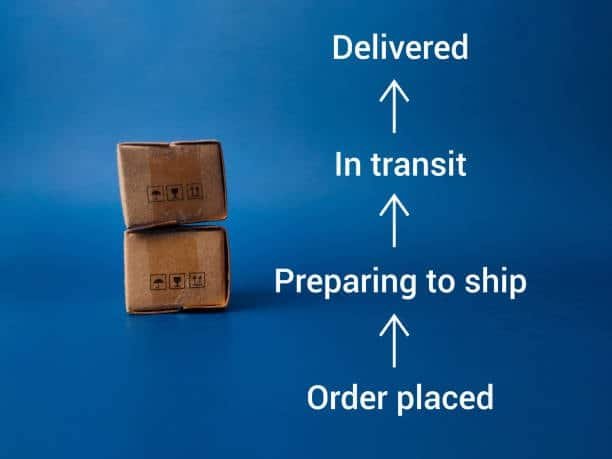
Stacked boxes with a delivery timeline showing order placed, preparing to ship, in transit, and delivered stages.
Blog

How International Shipping Works: Costs, Timing, Customs & Best Practices

International shipping is the process of moving goods across borders, involving multiple steps such as calculating costs, arranging transport, clearing customs, and ensuring timely delivery. Costs depend on factors like shipping method (air, sea, or courier), weight, dimensions, destination, duties, and taxes. Timing varies — air freight is faster but more expensive, while sea freight is slower but cost-effective for bulk shipments. Customs clearance plays a key role, requiring proper documentation such as invoices, packing lists, and certificates to avoid delays or fines. Best practices include choosing reliable carriers, understanding Incoterms, using accurate product descriptions, factoring in insurance, and planning for unexpected delays. By balancing cost, speed, and compliance, businesses can streamline global logistics and avoid common pitfalls.

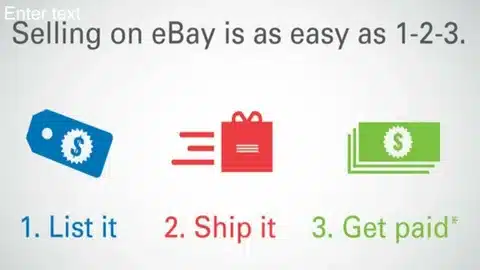
Graphic showing the three main steps for eBay sellers: listing, shipping, and getting paid.
Blog

How Long Do eBay Sellers Really Have to Ship?

eBay sellers are generally expected to ship items within the handling time they set in their listings, which is usually 1–3 business days. Buyers see this timeframe before purchase, and it directly affects seller ratings and buyer satisfaction. While eBay does not mandate a universal shipping deadline, sellers must honor the handling time chosen, as late shipments can lead to negative feedback, lower seller performance, and even account restrictions. For some categories, like high-value or time-sensitive items, faster shipping is often preferred. Ultimately, the “real” time sellers have to ship depends on their stated handling policy, but consistency, communication, and timely tracking updates are key to maintaining trust and strong sales on eBay.

perishable and non perishable food items in box prepared for shipment
Blog

How Can I Ship Perishable Food—A Simple, Profitable Guide for Food Businesses

The transportation of perishable food involves the integration of effective packing techniques with shipping methodologies. To transport food while safeguarding product integrity with optimal cost efficiency and dependable delivery, one may minimize food waste and shipping losses, therefore fostering consumer trust, which is essential for ongoing business growth. Transport frozen food. The rewards of investment in suitable shipping systems are evident through reduced losses, enhanced customer happiness, and improved brand reputation. Commence with minor test deliveries, gather data, and continuously refine your process until delivery transforms into a competitive advantage rather than a persistent worry.

EXW incoterm as part of international commercial terms for shipping
Blog

What Does EXW Mean in Shipping? A Complete Guide to Ex Works Terms

EXW, which stands for “Ex Works,” is a sort of Incoterm in which the sellers are only responsible for delivering the items to their location, and the purchasers are responsible for bearing all of the risks, including the transportation of the goods from the destination to the seller. It is a terrific method to obtain excellent pricing and handle logistics, but it demands a lot of expertise and resources from buyers. EXW, which stands for “ex works,” is a great way to acquire good rates. The majority of companies use FOB or FCA terms because they allow for a more equitable distribution of risks, particularly between the buyer and the supplier. On the other hand, experienced importers who have significant logistical networks may utilize EXW to get the greatest degree of flexibility and control over their supply chain operations.

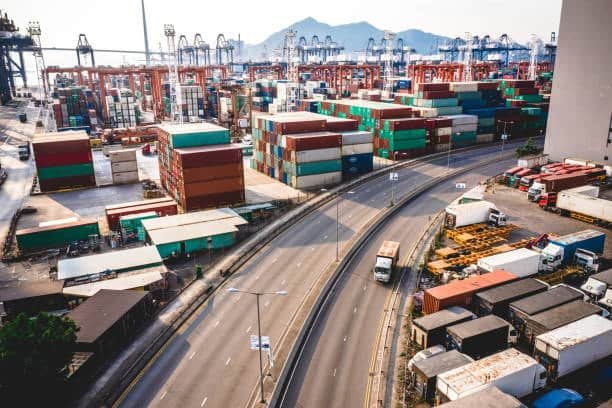
shipping containers and trucks at port representing flat rate shipping logistics
Blog

What Is a Flat Shipping Rate? A Complete Guide

A flat shipping rate is a pricing method where sellers charge a fixed, predetermined fee for shipping, regardless of the package’s weight, size, or delivery distance. This guide explains how flat rates work, their advantages, and potential drawbacks for businesses and customers. By offering a consistent shipping cost, sellers can simplify checkout, reduce cart abandonment, and make expenses predictable for both sides. It is especially useful for e-commerce stores shipping items of similar size or weight, as it avoids complex calculations and surprises at checkout. However, flat rates may not always be cost-effective for very heavy, bulky, or low-value orders. The guide also covers when to use flat shipping, how to set the right rate, and strategies to balance affordability and profitability in order fulfillment.

drop shipper managing inventory and preparing orders for dropshipping
Blog

The Complete Drop Shipper Guide for 2025: Everything You Need to Know

The Complete Drop Shipper Guide for 2025 serves as an all-in-one resource for anyone looking to start or optimize a dropshipping business in today’s competitive e-commerce landscape. It covers the fundamentals of how dropshipping works, the benefits and challenges of this business model, and the step-by-step process of setting up a store—from selecting a profitable niche and reliable suppliers to choosing the right e-commerce platform. The guide also highlights the latest trends shaping dropshipping in 2025, including AI-powered product research, automation tools, and emerging global markets. Beyond setup, it dives into strategies for marketing, SEO, social media, and customer retention, while addressing common pitfalls such as supplier issues, shipping delays, and thin profit margins. Ultimately, the guide positions dropshipping as a flexible, low-risk entry point into online business, while emphasizing the need for careful planning, strong branding, and continuous optimization to stand out in 2025’s fast-changing e-commerce environment.

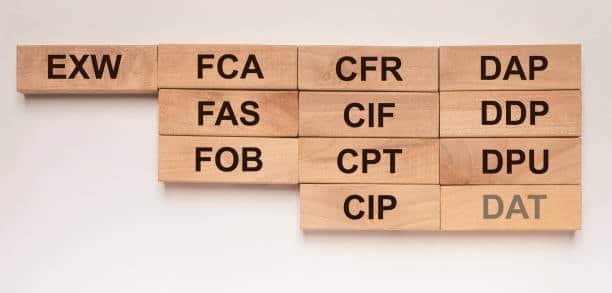
CFR incoterm highlighted with other shipping terms like FOB and CIF
Blog

CFR Incoterm Guide: When Cost Doesn’t Equal Risk

The CFR Incoterm Guide: When Cost Doesn’t Equal Risk explains how Cost and Freight (CFR) works in international trade and why paying for transport doesn’t always mean assuming responsibility. Under CFR, the seller covers the cost of shipping goods to the buyer’s port of destination, but the risk transfers much earlier—once the goods are loaded onto the vessel at the port of origin. This distinction often surprises buyers, as they may assume that because the seller pays for freight, they also carry the risk until arrival. The guide emphasizes the importance of clearly understanding these rules to avoid disputes, unexpected liabilities, or gaps in insurance coverage. It also offers practical advice on when to use CFR, its advantages and limitations, and how businesses can better manage risks through proper contracts, insurance, and communication with logistics partners.

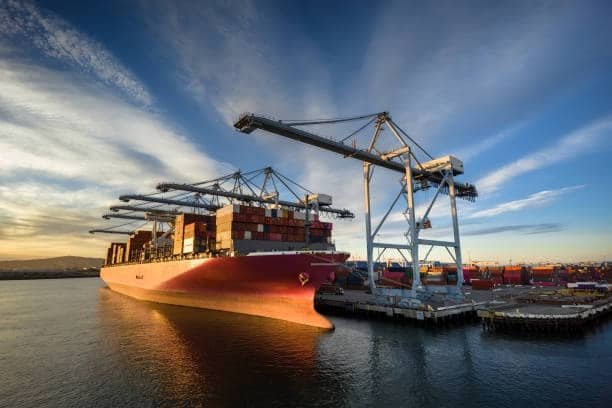
Cargo vessel docked at port cranes for unloading and loading, representing transit time factors in ocean freight.
Blog

Real-Time Ocean Freight Transit Time Calculator: Your Complete Guide to Shipping Estimates

Real-time shipping estimates through transit time calculators enable businesses to plan better than before through the old methods. Knowing the distinction between transit time and lead time, comparing various shipping options, including considering such variables as port congestion and customs processing, companies become better logists by considering average transit times, which saves money and enhances customer satisfaction.

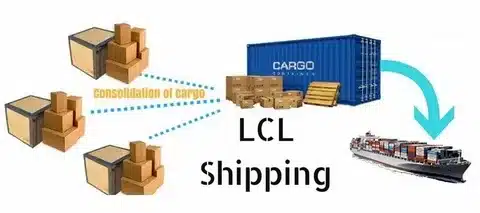
Illustration of LCL shipping with multiple smaller shipments consolidated into one container for ocean freight.
Blog

LCL Shipping: Definition, Cost, vs FCL & Smart Tips

LCL (Less Than Container Load) shipping enables companies to transport small cargo loads in a cost-efficient way since the business will share the container space with other shippers, usually costing 60 less than FCL for small volumes, but taking 4-6 days more of consolidation and deconsolidation. It is best suited to SMBs with shipment volumes ranging between 2-10 cubic meters per shipment, companies operating e-commerce that require flexibility in their inventory, and companies exploring new markets, although businesses continuously shipping more than 15 cubic meters should consider FCL to provide better unit economics and expedited transit times.

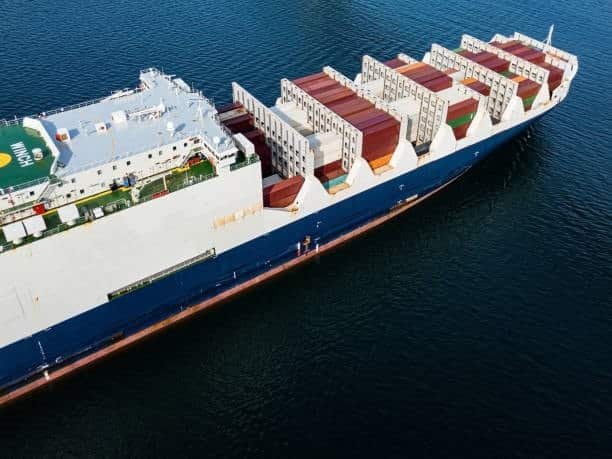
Large RoRo cargo vessel transporting vehicles, emphasizing automotive logistics and related drayage services.
Blog

What Is The Meaning Of Drayage? The Key to Seamless Supply Chains

The transfer of shipping containers from one location to another, such as between ports, train yards, warehouses, and distribution centers, is referred to as drayage. In the context of global supply chains, the function is a high-stakes logistical service that serves as the crucial connection. Its purpose is to ensure that items are transported without any disruptions between the ship and the shore and beyond. Despite the fact that drayage journeys only go within a few miles of one another, they create an essential link to the container shipping sector. This connection helps minimize congestion in ports and assures that international intermodal drayage will continue uninterrupted.

Scroll to Top

GET A QUOTE