
Author name: Yang

Yang
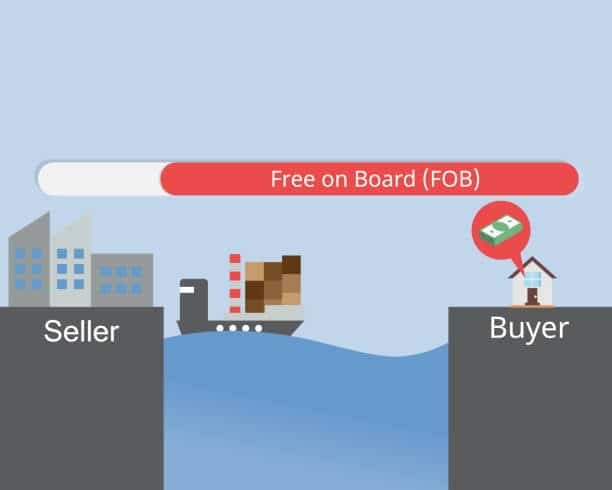
FOB diagram explaining ownership and cost transfer under shipping point vs destination.
Blog

FOB Shipping Point vs FOB Destination: Who’s Really Liable When Things Go Wrong?

When it comes to international trade, there are two very distinct ways that individuals are liable for their actions: FOB Shipping Point and FOB Destination. On the one hand, shipping point conditions confer ownership and accountability on the buyer at the point of origin; on the other hand, they expose the buyer to a larger degree of risk. Because of destination terms, sellers are obligated to protect purchasers while their items are in transit; nevertheless, this comes at an increased cost to the whole transaction. For the purpose of assisting you in carrying out your entire business plan, we recommend that you base your decision for the terms of the FOB shipment on the appropriate balance between the management of risk, the maintenance of low costs, and the maintenance of simple operations.
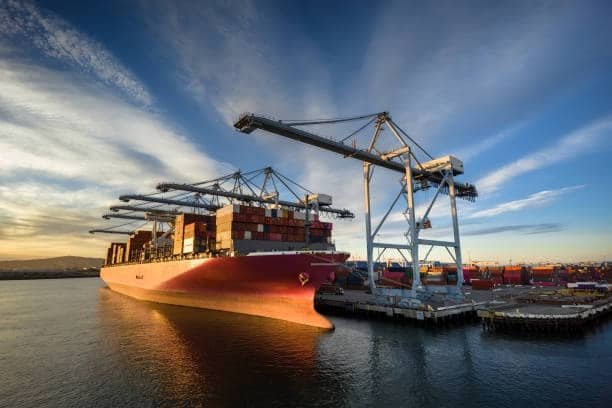
Cargo vessel docked at port cranes for unloading and loading, representing transit time factors in ocean freight.
Blog

Real-Time Ocean Freight Transit Time Calculator: Your Complete Guide to Shipping Estimates

Real-time shipping estimates through transit time calculators enable businesses to plan better than before through the old methods. Knowing the distinction between transit time and lead time, comparing various shipping options, including considering such variables as port congestion and customs processing, companies become better logists by considering average transit times, which saves money and enhances customer satisfaction.

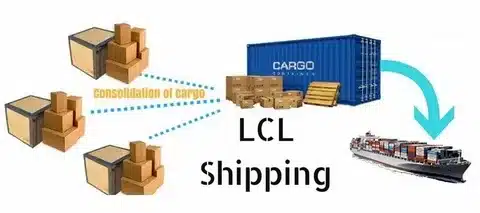
Illustration of LCL shipping with multiple smaller shipments consolidated into one container for ocean freight.
Blog

LCL Shipping: Definition, Cost, vs FCL & Smart Tips

LCL (Less Than Container Load) shipping enables companies to transport small cargo loads in a cost-efficient way since the business will share the container space with other shippers, usually costing 60 less than FCL for small volumes, but taking 4-6 days more of consolidation and deconsolidation. It is best suited to SMBs with shipment volumes ranging between 2-10 cubic meters per shipment, companies operating e-commerce that require flexibility in their inventory, and companies exploring new markets, although businesses continuously shipping more than 15 cubic meters should consider FCL to provide better unit economics and expedited transit times.

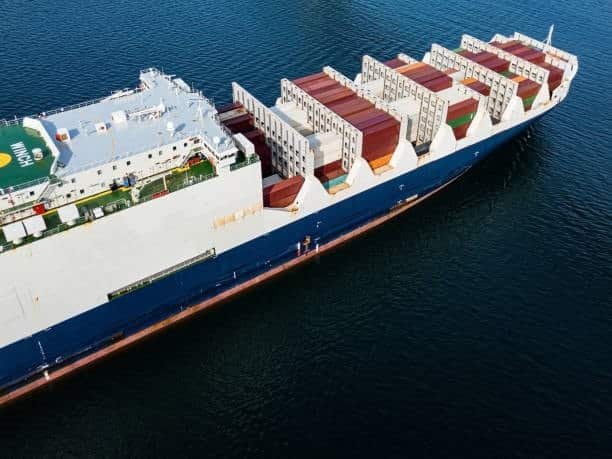
Large RoRo cargo vessel transporting vehicles, emphasizing automotive logistics and related drayage services.
Blog

What Is The Meaning Of Drayage? The Key to Seamless Supply Chains

The transfer of shipping containers from one location to another, such as between ports, train yards, warehouses, and distribution centers, is referred to as drayage. In the context of global supply chains, the function is a high-stakes logistical service that serves as the crucial connection. Its purpose is to ensure that items are transported without any disruptions between the ship and the shore and beyond. Despite the fact that drayage journeys only go within a few miles of one another, they create an essential link to the container shipping sector. This connection helps minimize congestion in ports and assures that international intermodal drayage will continue uninterrupted.

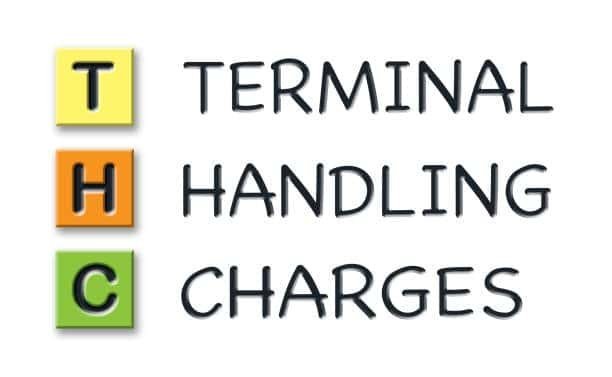
Terminal Handling Charges abbreviation THC explained in shipping and port logistics.
Blog

THC Meaning in Shipping: Your Complete Guide to Terminal Handling Charges

Terminal Handling Charges (THC) in shipping refer to the fees imposed by ports or terminals for handling cargo during loading, unloading, and storage processes. These charges cover services such as container movement, crane operations, equipment use, and labor at the terminal. Since THC is usually separate from ocean freight rates, it often varies by port, terminal, and shipping line, and can significantly impact overall logistics costs. Understanding THC is crucial for importers and exporters, as it helps in budgeting accurately, avoiding hidden costs, and negotiating more effectively with freight forwarders. A clear grasp of THC ensures smoother cargo flow, better cost control, and improved transparency in international shipping operations.

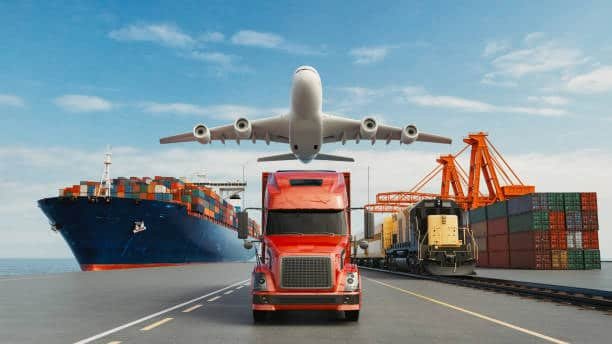
Combined transport system showing air, sea, road, and rail freight working together.
Blog

THC In Logistics: Everything You Need to Know (and How to Save)

The article explains THC (Terminal Handling Charges), fees collected at ports or terminals for handling containers during import or export. These charges cover services such as loading, unloading, storage, container stacking, and documentation. THC is a standard cost in international shipping and is usually paid either by the shipper or consignee, depending on the agreed Incoterms.

E-commerce fulfillment center employees sorting and preparing packages for shipping.
Blog

Fulfillment For E Commerce: Your Complete Guide to Streamlined Operations

It highlights that efficient e-commerce fulfillment is vital for customer satisfaction, as fast and accurate delivery builds trust and loyalty. The guide explores different fulfillment models, including in-house management, dropshipping, and outsourcing to third-party logistics providers (3PLs), each with its own advantages depending on a brand’s size and goals. It also emphasizes the importance of technology, such as inventory management systems and real-time tracking, in streamlining operations. Ultimately, the article shows that strong fulfillment practices not only cut costs and save time but also create a seamless shopping experience that helps e-commerce businesses scale and stay competitive.

Blog

International Shipping Terms: Your Complete Guide to Global Trade Success

The guide explains the most important international shipping terms (Incoterms) that define the responsibilities of buyers and sellers in global trade. It highlights how these standardized terms—such as FOB (Free on Board), CIF (Cost, Insurance, and Freight), EXW (Ex Works), and DDP (Delivered Duty Paid)—impact costs, risk transfer, and logistics responsibilities.

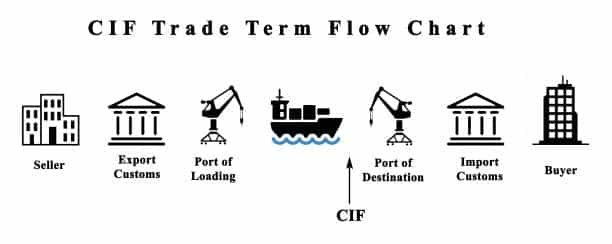
CIF flow chart illustrating the movement of goods from seller to buyer through customs and ports.
Blog

CFS Shipping Terms: Complete Guide for Smart Logistics

The article introduces CFS (Container Freight Station) in logistics, a key facility where goods are consolidated, deconsolidated, and temporarily stored during the shipping process. CFS plays an essential role in LCL (Less than Container Load) shipments, allowing multiple shippers to share container space, which reduces costs and improves efficiency.

It explains the main functions of a CFS, including cargo receiving, inspection, customs clearance, container stuffing and stripping, and final delivery preparation. These stations help streamline operations, minimize port congestion, and provide flexibility for both importers and exporters.

Conveyor belts transporting parcels through fulfillment center operations.
Blog

What Is a Fulfillment Center? How It Works and Why It Matters for E-commerce

The article explains that a fulfillment center is a logistics hub where businesses store inventory and process customer orders for shipping. Unlike traditional warehouses that focus mainly on storage, fulfillment centers are built for fast order processing and distribution, making them essential to e-commerce and global retail.

It outlines the core functions of a fulfillment center: receiving and storing inventory, tracking stock with digital systems, picking and packing customer orders, shipping through carrier networks, and managing returns or exchanges.

Scroll to Top

GET A QUOTE