Shipping and fulfillment is a contender to the Scope 3 emissions by ecommerce brands, and it can frequently comprise a big portion of their total carbon footprint. Transport activities in most scenarios produce hundreds of millions of tons of CO 2 equivalent each year in the global logistics chains. Air freight is uniquely the mode of transport that causes significantly greater emissions per ton-kilometer, frequently 20-30 times that of ocean freight, both because of their fuel-intensive nature and speed requirements. Carbon-neutral shipping is not just about buying offsets, it is more a balanced strategy of focusing on quantified decreases brought about by better operations and then considering the unnecessary emissions through offsets.
Another common misconception made by many brands is that purchasing carbon offsets only helps to attain a really sustainable shipping. Practically this disregards the underlying importance of the emission reduction through logistics enhancements. Carbon-neutral shipping is an efficient method that uses accurate measurement of emissions, intelligent transportation management, and confirmed offset system to create a balance between environmental accountability and operational efficiency.
Where Fulfillment Emissions Come From
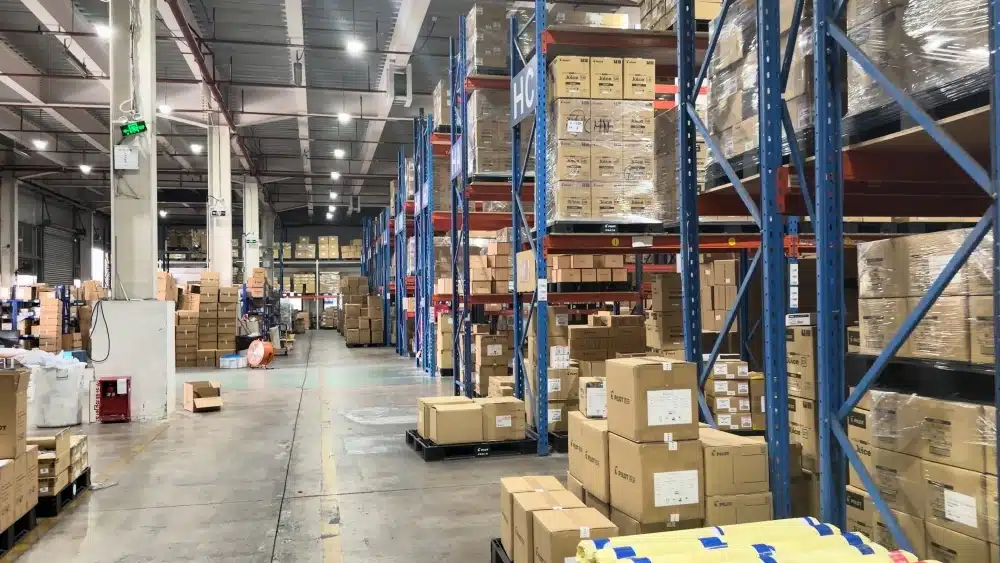
Fulfillment emissions are mostly associated with activities in the supply chain that require energy consumption and combustion, which is classified in Scope 3 of most ecommerce organizations. These indirect emissions can be larger than direct operational footprints and can also comprise international transport, local last-mile delivery, packaging manufacturing, and warehouse energy consumption.
International transport is the best in cross border ecommerce particularly when using rapid means such as air. Last-mile delivery within the country is very expensive in cities and towns because there are many stops and race loads. The production of packaging contributes to the extraction and manufacturing of materials, whereas warehouse activities include constant production of electricity to illuminate the warehouse, heat and cool as well as the machinery used to manage materials.
The following is a breakdown of relative impacts:
| Emission Source | Relative Impact |
| Air freight | High |
| Ocean freight | Medium |
| Rail | Lower |
| Truck delivery | Medium |
| Packaging materials | Variable |
| Warehouse energy | Ongoing footprint |
It is important to understand these sources since the Scope 3 emissions in fulfillment usually constitute the greatest portion of the carbon footprint of an ecommerce brand, and any specific decreases in these areas will be extremely effective.
Comparing Carbon Impact by Transport Mode
The intensity of different transport types differs drastically with air freight always recording the highest carbon intensity per ton-kilometer as a result of fuel combustion during high altitude and the low load occupancy. Economies of scale are enjoyed in large vessels in ocean freight, which leads to significantly reduced emissions per unit. Rail provides a high-quality low carbon substitute to the land-based long-haul, with truck delivery in the middle but able to enhance with consolidation.
Shipment consolidation, which is the combination of multiple orders into complete loads, makes cross-modal emissions per unit less.
| Mode | Speed | Cost | Carbon Intensity |
| Air | Fast | High | Very High |
| Ocean | Slow | Low | Medium |
| Rail | Moderate | Medium | Lower |
| Consolidated ocean | Slower | Lower | Reduced per unit |
The following trade-offs explain why modal changes, i.e. changing an air to ocean or rail where possible, are a fundamental component of a sustainable logistics strategy. In the case of an ecommerce brand that source in Asia, collaborating with a trusted China 3PL could lead to consolidation, weight-saving of packaging, a decrease in unnecessary reliance on air freight, and all-round-load efficiency, which will result in a significant reduction in emissions prior to any offsetting.
How to Measure Fulfillment Emissions
Any viable carbon-neutral strategy is based on sound measurement. There can be no tracking of progress or can prioritize reductions without baseline data. The majority of these approaches are based on data on the activities with the default of standardized emission factors of the sources such as the GHG Protocol or industry databases.
The most popular ones are online carbon calculators available through logistics providers or third-party sources, which include mode-specific variables. The calculations normally include the weight of shipment, distance covered, mode of transport and occasionally packaging.
The basic formula is:
CO 2e emissions = (weight of shipment tonnes) = (distance in kilometer (km)) = (emission factor in kg CO 2e/tonne-km).
Mode-dependent emission factors are higher when in air (more than 5001000 g CO 2 e /tonne-km) and lower when in the ocean (1040 g CO 2 e/tonne-km).
| Measurement Factor | Importance |
| Shipment weight | Direct carbon impact |
| Distance traveled | Emission multiplier |
| Transport mode | Carbon intensity |
| Packaging weight | Additional footprint |
Practical tracking begins with the incorporation of shipment data of fulfillment systems and follows with the application of consistent factors to make comparisons across time.
Carbon Offset Programs Explained
When the maximum reduction has been achieved, residual emissions are eliminated through offsets with the funding of equal reductions or removals elsewhere. Plausible programs are additionality, permanence and verifiable with independent standards.
The most popular verified options are the Verified Carbon Standard (VCS) of the Verra, which is popular due to its rigorous methodologies in all types of projects, and the Gold Standard, which focuses on co-benefits in line with UN Sustainable Development Goals. Popular types of projects include carbon absorption through reforestation, replacement of fossil fuels with renewable energy, and the capture of high-impact reductions through the capture of methane.
The voluntary market pricing has been averaging at approximately 6-10 USD per ton CO 2 e, and the higher-quality or removal-oriented credits are priced higher in the past years.
| Offset Type | Description |
| Reforestation | Carbon absorption |
| Renewable energy | Emission replacement |
| Methane capture | High-impact reduction |
| Carbon credit purchase | Emission balancing |
The choice of programs that would be strongly verified ensures that credibility is upheld and unverifiable claims are prevented.
Operational Strategies to Reduce Emissions Before Offsetting
Trimming must always come first before offsetting, it is cheaper and it also provides immediate operational advantages. Look at high leverage alterations that will reduce the footprint at the baseline.
Some of the strategies include shipment consolidation to maximize the use of the vehicles, right-packaging to reduce materials and weight, ocean or rail use instead of air on the appropriate routes, expansion of regional warehousing to minimize distances and lessening split shipments via optimization of inventory.
Such measures not only reduce emissions, but in most cases, lower freights and enhance delivery reliability.
Cost Implications of Carbon-Neutral Shipping
Going carbon-neutral shipping means incremental costs and possible cost reduction. The offset purchases impose a per-ton price, normally between 6-20 dollars based on project quality, whereas high quality freight transport modes such as air have higher base rates.
Changes in operations, however, often bring about net savings in form of efficiency gain.
| Cost Element | Short-Term Impact | Long-Term Benefit |
| Offset purchase | Added expense | ESG compliance |
| Modal optimization | Slight delay | Lower cost & carbon |
| Consolidation | Planning effort | Freight savings |
Sustainability positioning of brands can eventually lead to greater efficiency and brand value than start-up expenditures.
Common Mistakes Brands Make
The best intentions will not work unless they are handled properly.
- Using offsets instead of making reductions.
- Avoiding the emission measurement and baseless operation.
- Excessive use of air freights in case of non-urgent shipments.
- Failure to communicate clearly in terms of methodologies and progress.
- Selection of offset programs that are not verifiable and are third-party non-standard.
These are some of the pitfalls that should be avoided to have authentic impact, and not a superficial statement.
Integrating Carbon-Neutral Shipping into Fulfillment Strategy
To integrate successfully, it is needed to incorporate carbon consciousness in everyday choices and strategies.
Begin by creating an emission floor, annual reduction levels, the footprint of each shipment prioritized by fulfillment data, reporting key measures to increase transparency, and align suppliers and logistics partners.
| Integration Step | Purpose |
| Emission baseline | Measurement starting point |
| Annual reduction goal | Performance benchmark |
| Reporting transparency | Stakeholder trust |
| Supplier engagement | Extended impact |
This is a systematic method that creates resilience and continues to promote sustainability.
Conclusion — Reduction First, Offset Second
Carbon-neutral shipping is best applied in situations where the brands will focus on the exact measurement of emissions and then unabashedly minimize their operations footprint through more intelligent logistics, and offset the remaining effects through verified programs. Through efficiency toward reduction of carbon footprint in shipping, which includes modal shifts, consolidation and regional fulfillment, ecommerce activities can attain significant reductions in carbon footprint of shipping without losing competitiveness. Inclusion of this awareness in the larger emission cutting in the ecommerce and green fulfillment solutions enhances environmental accountability and resilience in the supply chain in the long run.