Blog

Blog

How to Find Chinese suppliers in China: Need to Know

Using a credit card on Temu is generally safe, as the platform uses encryption, secure payment gateways, and buyer protection policies to safeguard transactions. Like other major e-commerce sites, Temu does not share card details with sellers, and refunds are available if orders do not arrive or match descriptions. However, risks such as counterfeit products, delayed shipping, or fraudulent sellers still exist, so shoppers should use strong passwords, avoid saving card details, and monitor statements for unusual activity. Overall, Temu is considered secure for credit card payments in 2025, but practicing basic online shopping safety adds extra protection.

Blog

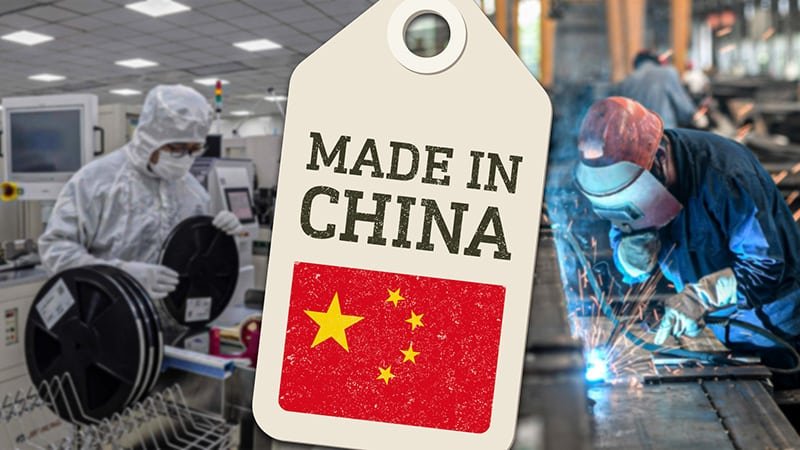
Is Made in China Legit? The Complete Guide to Verifying Chinese Suppliers

Collaboration with Made in China suppliers will be of great opportunity, yet it demands a strategic approach to risks. Pay attention to comprehensive verification of suppliers, such as business documents, factory inspection, and references, but not the platform verification checks. Begin with small trial orders, develop specifications and contracts, take into account professional sourcing support, and have a backup relationship with suppliers online. The solution is success in treating the Chinese suppliers as business partners with the need for constant communication and quality control, rather than low-cost suppliers. Through appropriate vetting and management, Chinese manufacturing could offer cost benefits, product diversification, and scalable manufacturing capacity that will promote business expansion.

Blog

Temu vs AliExpress: Which Platform is Right for Your Business?

Temu and AliExpress both connect global buyers with affordable products from mainly Chinese suppliers, but they differ in focus and suitability for businesses. AliExpress is a long-established B2C and small wholesale platform under Alibaba, offering a huge product range, flexible order quantities, and international seller options, making it ideal for dropshipping and small to medium businesses. Temu, backed by Pinduoduo, is newer and emphasizes ultra-low consumer prices, fast shipping to the U.S. and select regions, and heavy marketing promotions, which makes it more attractive for direct shoppers than for resellers. For businesses, AliExpress generally provides broader supplier choice, better scalability, and integration with e-commerce tools, while Temu is more suited for bargain-hunting end customers rather than long-term sourcing.

Blog

Is AliExpress Legitimate? The Complete 2025 Guide

AliExpress is a legitimate online marketplace owned by Alibaba Group, connecting international buyers with mainly Chinese sellers, but shopping there in 2025 requires some caution. The platform offers millions of products at competitive prices, often cheaper than Western e-commerce sites, but delivery can take longer, and product quality varies by seller. AliExpress itself is secure, with buyer protection, refund policies, and secure payment systems in place, but the legitimacy of individual sellers depends on their ratings, reviews, and transaction history. To shop safely, buyers should check seller feedback, look for verified stores, pay attention to product descriptions, and use secure payment methods. Overall, AliExpress is a real and trusted marketplace, but smart shopping practices are essential to avoid counterfeit or low-quality items.

Blog

Why is AliExpress So Cheap? 13 Key Reasons Behind the Low Prices

AliExpress is so cheap because most products come directly from Chinese manufacturers and wholesalers, cutting out middlemen and retail markups. Sellers benefit from lower labor and production costs in China, bulk manufacturing, and streamlined supply chains. The platform is highly competitive, with thousands of sellers offering similar products, which drives prices down further. Many items are shipped directly from factories using low-cost international shipping options, often subsidized by trade agreements, which keeps delivery fees minimal. Additionally, sellers frequently offer discounts, flash sales, and bulk pricing to attract global buyers. While these factors make prices much lower than Western retailers, they can also mean longer shipping times and varying product quality.

Blog

SOC vs COC Shipping Containers: Key Differences You Need to Know

The SOC and COC containers address different business needs within the shipping system of the world. Shippers who are willing to accept the risks and make sure that the job is done also benefit from operational control and may save costs with SOC containers. COC is straightforward, and the businesses that prefer the convenience and predictability of the operating costs need less capital. The success of either option will only be possible to achieve through an in-depth cost analysis, clear contractual procedures, and sticking to the general supply chain strategy and business strengths.

Distribution center warehouse with stacked pallets and forklift in operation.
Blog

Fulfillment Center vs. Warehouse: Understanding the Key Differences

A warehouse is mainly used for long-term storage, keeping goods safe until they are needed for bulk distribution, often in B2B supply chains. In contrast, a fulfillment center is designed for fast, daily order processing, handling tasks like picking, packing, shipping, and returns, making it crucial for e-commerce and direct-to-consumer brands. While warehouses focus on efficiency in storing large volumes, fulfillment centers prioritize speed and customer experience. Many businesses strategically use both—warehouses for cost-effective storage and fulfillment centers for agile, real-time delivery.

Warehouse staff processing and preparing DTC fulfillment orders for shipping.
Blog

What Is DTC Fulfillment? Complete Guide to Direct-to-Consumer Logistics

DTC fulfillment refers to a fast-growing sales concept, in which brands are sold directly to end users, without using traditional retail middlemen. The model has shifted the idea of merely having the customer relationships to an overall overhaul of operations including inventory management, last-mile delivery, and customer experience. DTC is a big market opportunity with 86% of manufacturers and retailers claiming that DTC takes up to half of the revenue, and with the sales expected to be up to 212.9 billion dollars this year. Nevertheless, modern fulfillment solutions, integrated technology platforms, and strategic inventory management, order management and sustainable logistics are needed to succeed in the face of the specific complexities of the direct-to-consumer operations.

Scroll to Top

GET A QUOTE