Blog

Silhouette of a container port at sunset with a glowing world map overlay showing global shipping routes, representing international logistics infrastructure for omnichannel retail fulfillment.
Blog

B2B2C Fulfillment Model: Selling Through Retailers While Managing Logistics

The B2B2C fulfillment model allows brands to sell through retailers while maintaining control over inventory and logistics. This guide explains how distribution layers impact inventory allocation, cash flow timing, and operational risk, and how brands can structure fulfillment systems to avoid overstock, stockouts, and channel conflict.

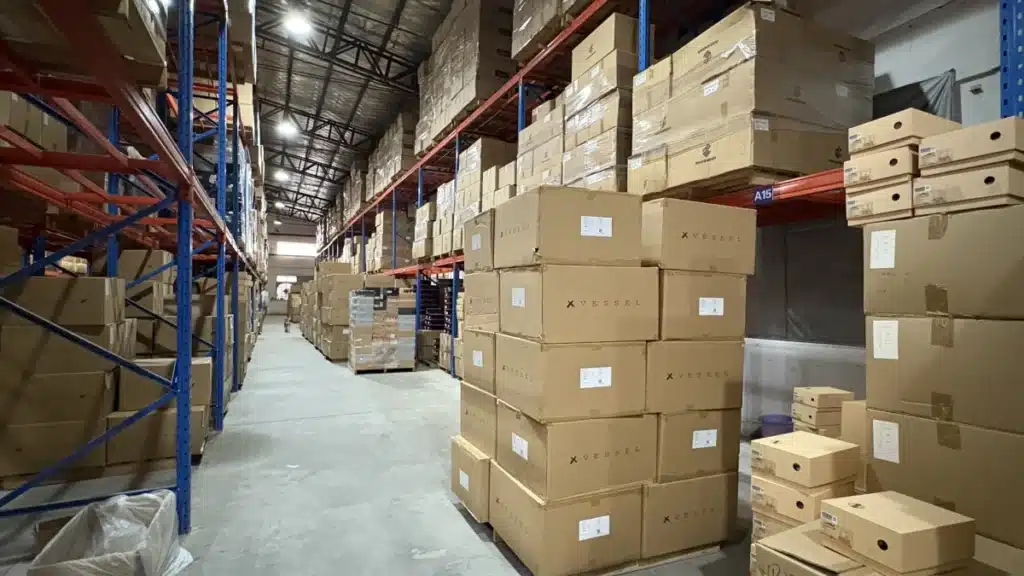
Aisle view of a fulfillment center with towering blue-and-red pallet racks fully loaded with shrink-wrapped cartons, representing pre-staged inventory ready for rapid dispatch during high-volume flash sale events.
Blog

Flash Sale Fulfillment: How to Handle 10x Order Volume Overnight

Flash sales can multiply order volume overnight, but unprepared fulfillment systems often collapse under pressure. This guide explains how to scale warehouse workflow, staffing, inventory allocation, and carrier coordination to handle 10x order spikes while protecting brand reputation and customer experience.

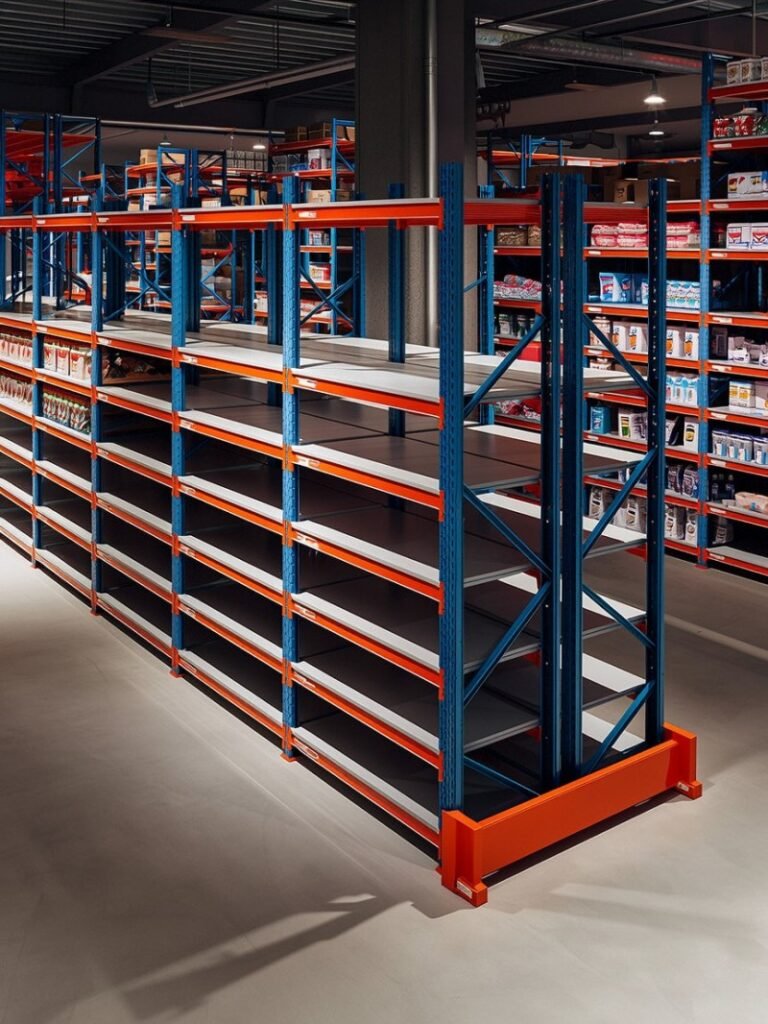
Narrow warehouse aisle with metal shelving units holding neatly arranged product bins and small parcels, featuring a manual cart for pickers — ideal for assembling customized subscription kits with minimal error rates.
Blog

Subscription Box Fulfillment: Kitting, Recurring Orders, Churn Management

Subscription box fulfillment involves more than shipping orders. Brands must manage kitting accuracy, recurring shipment cycles, and churn-driven demand changes. This guide explains how warehouse workflow, inventory forecasting, and operational systems must adapt to support scalable subscription ecommerce models.

Wide-angle view of a massive automated warehouse with red conveyor belts, sorting stations, and workers managing high-volume e-commerce orders — typical of marketplace-only fulfillment infrastructure.
Blog

Marketplace-Only vs Owned Website: How Fulfillment Strategy Differs

Marketplace-only and owned website ecommerce models require different fulfillment strategies. This guide explains how inventory allocation, warehouse routing, cost structure, and operational control differ, and when brands should transition from platform dependency to multi-channel logistics design.

Blog

Print-on-Demand vs Bulk Inventory: When to Switch to 3PL

Print-on-demand allows low-risk product testing, but bulk inventory managed by a 3PL improves margin, delivery speed, and brand control. This guide explains when ecommerce brands should transition, how to evaluate cost differences, and what operational signals indicate readiness for warehouse-based fulfillment.

Blog

Dropship + Bulk Fulfillment Hybrid: Best of Both Worlds

A dropship + bulk fulfillment hybrid allows ecommerce brands to test products with minimal risk while building scalable inventory control for higher margins. This guide explains when to transition from pure dropshipping, how to allocate inventory strategically, and why combining both models improves operational stability and profitability.

Blog

Hybrid Fulfillment Model: When to Use FBA + China 3PL Together

A hybrid fulfillment model combining Amazon FBA and a China 3PL can reduce storage costs, prevent stockouts, and improve supply chain flexibility. This guide explains when ecommerce brands should adopt a dual-warehouse strategy, how to allocate inventory between FBA and China, and why hybrid fulfillment improves scalability and operational resilience.

Blog

Omnichannel Fulfillment Strategy: Retail + Online + Wholesale

An omnichannel fulfillment strategy requires more than adding new sales channels. This guide explains how brands can structure inventory, warehouse systems, and order routing to support retail, online, and wholesale operations without increasing operational risk or inventory fragmentation.

Blog

Fulfillment Cost per Order: How to Calculate Your True Per-Unit Cost

Many ecommerce sellers underestimate their fulfillment cost per order by focusing only on pick-and-pack fees. This guide explains how to calculate your true per-unit cost, including storage allocation, handling, shipping, and hidden operational charges that directly impact your profit margin. Accurate modeling helps protect margins across Shopify, Amazon, and TikTok Shop operations.

Scroll to Top

GET A QUOTE