
Uncategorized

Brown cardboard packages labeled clearance sale in a shopping cart representing imported goods ready for custom duty clearance
Uncategorized

What Is Custom Duty Clearance? A Complete Guide for Importers & Exporters

The clearance of customs is a complicated yet easy-to-manage task, which should be well documented, product-classification-wise, and adhere to the regulations of the destination country. To succeed, one has to be well prepared, seek the advice of professionals where necessary, and keep up with the emerging world of trade expectations. With such knowledge of the customs brokerage firm process, the prevention of typical errors, and the use of the offered technology and trade agreements, companies can reduce costs and time losses, as well as make sure that their international affairs are legal.
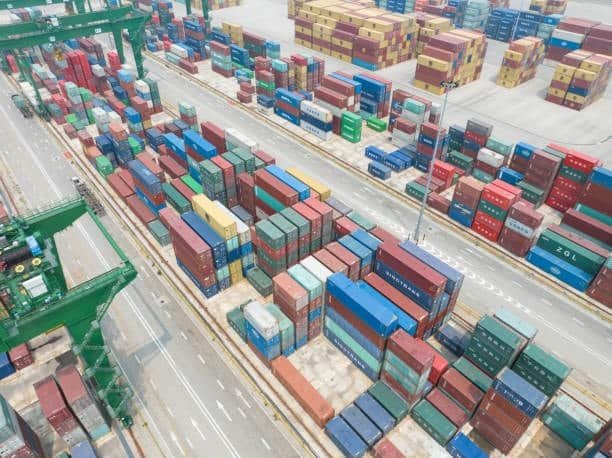
Aerial view of large China shipping port used for express freight services
Uncategorized

Express Shipping from China: Your Complete Guide to Fast Delivery Solutions

Chinese express shipping offers businesses the 1-5 day delivery option as opposed to the 2-6 weeks of normal delivery, but at 3-5 times the price. To balance the needs of urgency and its effects on costs for express shipping companies, success demands the selection of reliable providers who have good Chinese connections for timely delivery to the final destination with proper documentation and strategic planning. Although premium pricing renders express freight inappropriate in regular shipments, it is necessary in urgent deliveries, critical business processes, and those in which the cost of delay is greater than the shipping premiums or air freight costs. The best way to maximize the use of express freight is through establishing relationships with the providers early in advance, keeping accurate records, liaising with suppliers, and putting up backup plans in advance before the need becomes imperative for the supply chain.

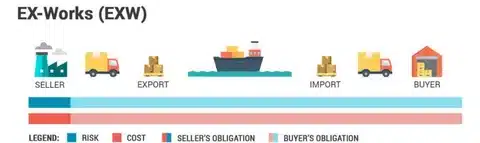
Visual EXW chart explaining cost, risk transfer, and responsibilities for buyers and sellers.
Uncategorized

Ex Works Price: Complete Guide to EXW Incoterms

The simplest Incoterm is Ex-Works (EXW) pricing, where sellers ship their goods from their facility, and buyers take all the transportation, documentation, and risk costs from that point onwards. Whereas the EXW provides sellers with low risks and low administrative overhead, it places the burden of the complex international logistics on the buyers. The key to successful EXW terms is proper specification of the contract, understanding of the export requirements, good logistics relationships and cost planning, and covering all expenditures between the factory gate and destination. Use EXW when you possess good logistics and wish to exert the greatest influence on the transportation process, but take a more inclusive Incoterm when you wish to have a less complicated procurement process with unsurprising overall prices.

Courier delivering a large package to a customer’s doorstep.
Uncategorized

Door-to-Door Shipping Explained: How It Works, Terms, Costs, and Best Practices

Door-to-door shipping is a logistics service where goods are picked up directly from the seller’s location and delivered straight to the buyer’s address, covering every step of the journey under one arrangement. This method simplifies international trade by combining multiple transport modes—such as trucking, sea freight, and air freight—into a seamless process managed by a single provider. While it is often more convenient for buyers, costs can vary depending on distance, shipment size, customs duties, and value-added services. Key terms and documents, including Incoterms, invoices, and customs paperwork, must be understood to avoid delays. Best practices include choosing experienced freight forwarders, ensuring proper packaging, verifying duties and taxes upfront, and maintaining clear communication to guarantee smooth and efficient delivery.

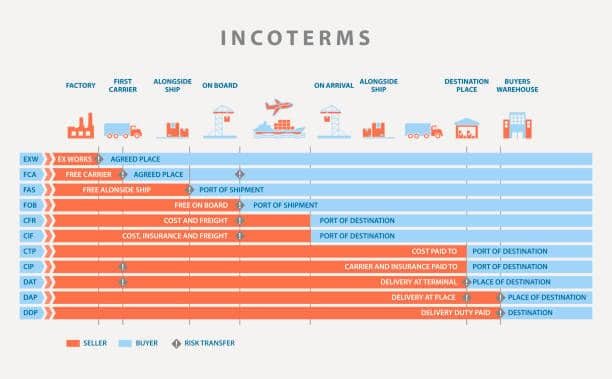
Complete Incoterms chart outlining cost, duty, and risk transfer stages from factory to buyer under different shipping terms including DDP.
Uncategorized

DDP Shipping: A Complete Guide

DDP (Delivered Duty Paid) shipping is an Incoterm where the seller takes on maximum responsibility, covering all costs and risks until the goods reach the buyer’s destination. This includes transportation, export and import duties, customs clearance, and taxes, making it a highly convenient option for buyers who receive goods without extra logistical burdens. However, it places heavy obligations on sellers, who must manage compliance with foreign regulations and potentially face unexpected costs. DDP is often used in e-commerce and cross-border trade to simplify the buying experience, but it requires careful planning, reliable logistics partners, and a clear understanding of local tax laws to avoid delays or losses.

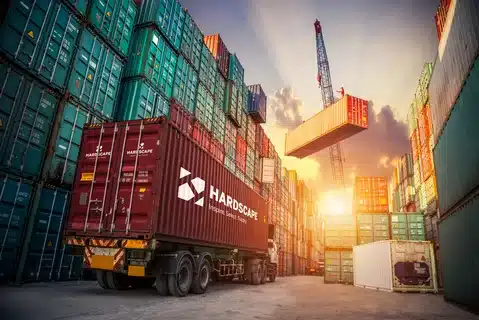
Logistics worker checking stacked shipping containers, representing safety and efficiency in ground shipping operations.
Uncategorized

What Does Ground Mean for Shipping

Ground shipping refers to the delivery of goods by road or rail rather than air or sea, making it one of the most common and cost-effective shipping methods for domestic and regional transport. It typically takes longer than air shipping but is significantly cheaper, especially for heavier or bulkier items. Carriers like FedEx Ground, UPS Ground, and USPS provide ground services with predictable transit times, usually ranging from 1 to 7 business days depending on distance. Ground shipping is ideal for non-urgent deliveries, offering businesses and consumers a reliable balance between affordability and efficiency.

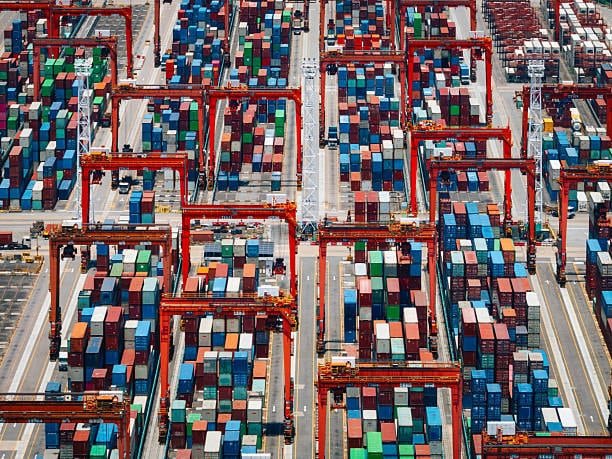
Aerial view of automated port cranes moving containers along international shipping routes.
Uncategorized

Shipping Channels: Global Routes & Critical Chokepoints

Global shipping routes and chokepoints are the key infrastructure of international commerce, through which major shipping routes such as the Suez Canal, Panama Canal, and Strait of Malacca conduct huge volumes of commerce. Billions of dollars in daily losses, supply chain delays, and economic volatility can occur as a result of disruptions at these narrow geographic bottlenecks. Although there are other ways, they usually include extra costs and time. The future aspects involve the development of Arctic routes because of climate change, changing geopolitical risks, and because of technological innovation in shipping. Risk management involves learning the vulnerabilities of chokepoints, which is an attempt to develop alternative routing approaches, and keeping the supply chain flexible enough to adjust to possible disruptions.

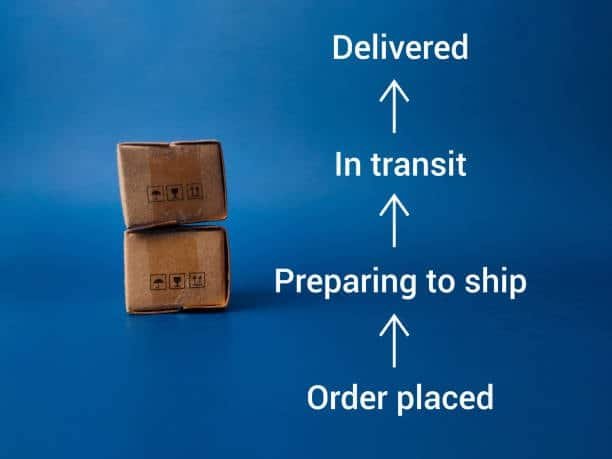
Stacked boxes with a delivery timeline showing order placed, preparing to ship, in transit, and delivered stages.
Uncategorized

How International Shipping Works: Costs, Timing, Customs & Best Practices

International shipping is the process of moving goods across borders, involving multiple steps such as calculating costs, arranging transport, clearing customs, and ensuring timely delivery. Costs depend on factors like shipping method (air, sea, or courier), weight, dimensions, destination, duties, and taxes. Timing varies — air freight is faster but more expensive, while sea freight is slower but cost-effective for bulk shipments. Customs clearance plays a key role, requiring proper documentation such as invoices, packing lists, and certificates to avoid delays or fines. Best practices include choosing reliable carriers, understanding Incoterms, using accurate product descriptions, factoring in insurance, and planning for unexpected delays. By balancing cost, speed, and compliance, businesses can streamline global logistics and avoid common pitfalls.

Graphic showing the three main steps for eBay sellers: listing, shipping, and getting paid.
Uncategorized

How Long Do eBay Sellers Really Have to Ship?

eBay sellers are generally expected to ship items within the handling time they set in their listings, which is usually 1–3 business days. Buyers see this timeframe before purchase, and it directly affects seller ratings and buyer satisfaction. While eBay does not mandate a universal shipping deadline, sellers must honor the handling time chosen, as late shipments can lead to negative feedback, lower seller performance, and even account restrictions. For some categories, like high-value or time-sensitive items, faster shipping is often preferred. Ultimately, the “real” time sellers have to ship depends on their stated handling policy, but consistency, communication, and timely tracking updates are key to maintaining trust and strong sales on eBay.

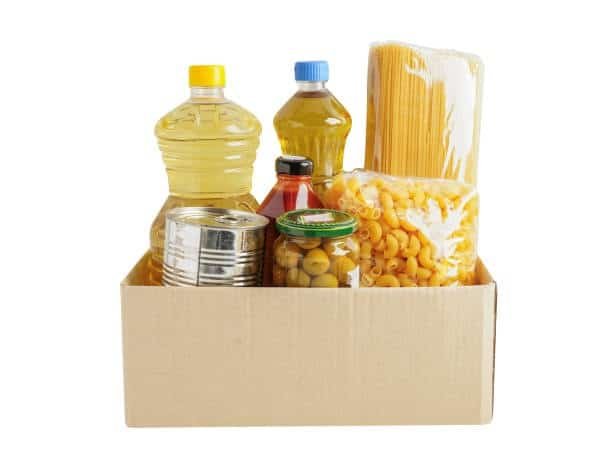
perishable and non perishable food items in box prepared for shipment
Uncategorized

How Can I Ship Perishable Food—A Simple, Profitable Guide for Food Businesses

The transportation of perishable food involves the integration of effective packing techniques with shipping methodologies. To transport food while safeguarding product integrity with optimal cost efficiency and dependable delivery, one may minimize food waste and shipping losses, therefore fostering consumer trust, which is essential for ongoing business growth. Transport frozen food. The rewards of investment in suitable shipping systems are evident through reduced losses, enhanced customer happiness, and improved brand reputation. Commence with minor test deliveries, gather data, and continuously refine your process until delivery transforms into a competitive advantage rather than a persistent worry.

Scroll to Top

GET A QUOTE