Uncategorized

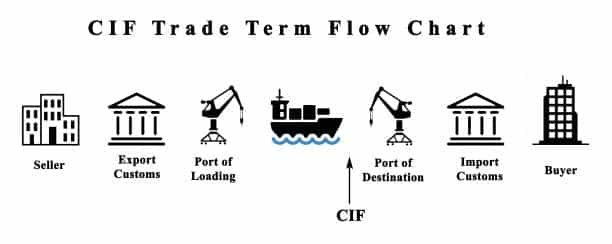
CIF flow chart illustrating the movement of goods from seller to buyer through customs and ports.
Uncategorized

CFS Shipping Terms: Complete Guide for Smart Logistics

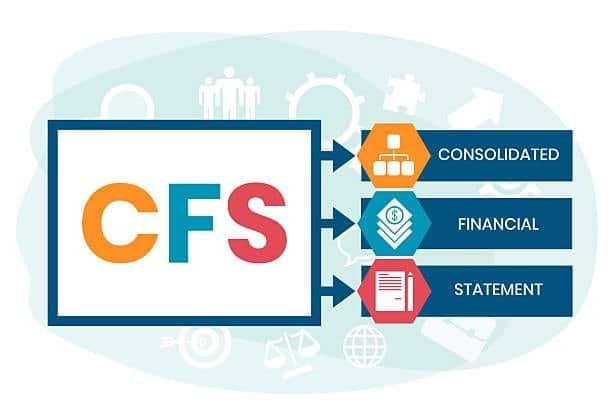
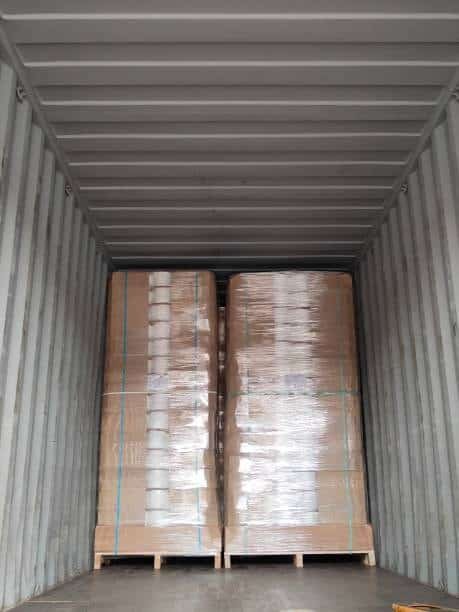
The article introduces CFS (Container Freight Station) in logistics, a key facility where goods are consolidated, deconsolidated, and temporarily stored during the shipping process. CFS plays an essential role in LCL (Less than Container Load) shipments, allowing multiple shippers to share container space, which reduces costs and improves efficiency.

It explains the main functions of a CFS, including cargo receiving, inspection, customs clearance, container stuffing and stripping, and final delivery preparation. These stations help streamline operations, minimize port congestion, and provide flexibility for both importers and exporters.
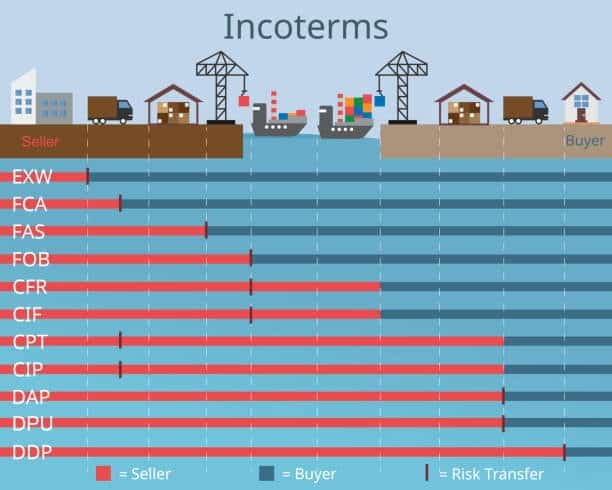
Incoterms responsibility chart showing FCA’s position among EXW, FOB, CIF, CPT, and other shipping terms.
Uncategorized

What Is FCA (Free Carrier) Incoterm and Term FCA Incoterms? — A Complete Guide

The article explains the FCA (Free Carrier) Incoterm, one of the most flexible and widely used terms in international trade. Under FCA, the seller is responsible for delivering goods, cleared for export, to a carrier or another party chosen by the buyer at an agreed place—this could be the seller’s premises, a warehouse, or a transport hub. Once delivery is made, risk and responsibility transfer from seller to buyer.

It highlights why FCA is popular: it works for all modes of transport (air, sea, road, or multimodal), gives buyers more control over shipping arrangements, and avoids some limitations of terms like FOB.

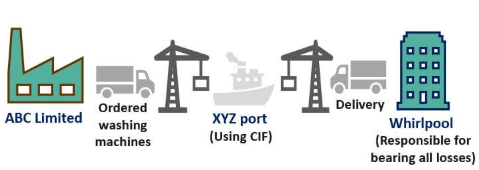
CIF example diagram showing goods ordered, shipped through port, and delivered to the final buyer who bears risk after shipment.
Uncategorized

CIF Means: The Sea-Loading Risk Point Every Importer Must Understand

The article explains the meaning of CIF (Cost, Insurance, and Freight), one of the most commonly used Incoterms in international trade. Under CIF, the seller is responsible for covering the cost of goods, marine insurance, and freight charges until the cargo reaches the buyer’s destination port. However, the critical risk transfer point happens at the port of shipment—once the goods are loaded onto the vessel, the risk shifts from the seller to the buyer.

“CFS charges infographic explaining container freight station costs and breakdown”
Uncategorized

How to Calculate CFS Charges: A Complete Guide

The article explains how CFS (Container Freight Station) charges are calculated and why they matter in international logistics. These charges apply mainly to LCL (Less than Container Load) shipments, where cargo from multiple shippers is consolidated or deconsolidated at a CFS.

It breaks down the common cost components, including handling fees for loading/unloading, storage costs, documentation charges, customs inspection fees, and consolidation/deconsolidation services. Charges are usually based on cargo volume (CBM), weight, or a minimum flat fee, whichever is higher.

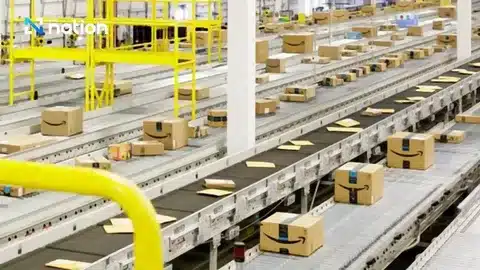
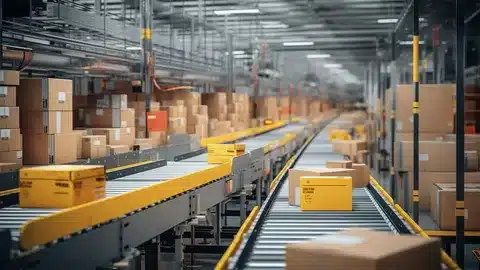
Conveyor belts transporting parcels through fulfillment center operations.
Uncategorized

Understanding Fulfillment Center

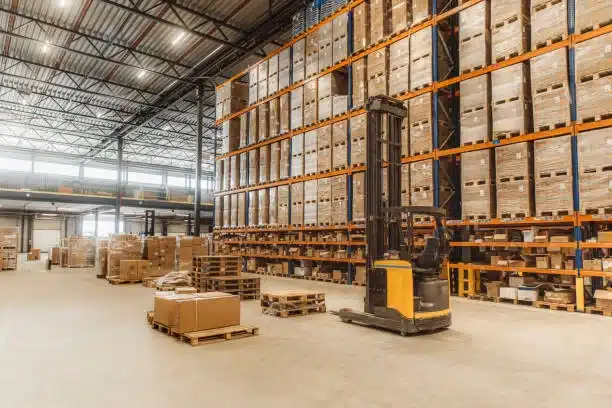
The article explains that a fulfillment center is a logistics hub where businesses store inventory and process customer orders for shipping. Unlike traditional warehouses that focus mainly on storage, fulfillment centers are built for fast order processing and distribution, making them essential to e-commerce and global retail.

It outlines the core functions of a fulfillment center: receiving and storing inventory, tracking stock with digital systems, picking and packing customer orders, shipping through carrier networks, and managing returns or exchanges.

“Packages moving along conveyor belt in large fulfillment center for shipping orders”
Uncategorized

What Does Fulfillment Mean in Shipping?

The article explains that fulfillment in shipping refers to the complete process of managing customer orders—from receiving and storing inventory to picking, packing, and delivering products. It is a critical part of e-commerce and retail supply chains, ensuring customers receive their purchases accurately and on time.

It highlights that businesses can handle fulfillment in-house or outsource it to a 3PL (third-party logistics provider). Outsourcing offers benefits like faster shipping, access to advanced technology, reduced operational costs, and scalability, while in-house fulfillment provides more control but requires greater resources.

Multiple delivery vans parked in row representing transportation in logistics.
Uncategorized

Transport vs Logistics: The Key Differences

Transport refers specifically to the physical movement of goods from one place to another by road, sea, air, or rail. Logistics, on the other hand, is a broader concept that includes transport but also covers the entire process of planning, managing, and coordinating the flow of goods, services, and information. This involves inventory management, warehousing, packaging, order fulfillment, and supply chain coordination. In short, transport is one part of logistics, while logistics is the overall strategy that ensures products move efficiently, cost-effectively, and on time from origin to final destination.

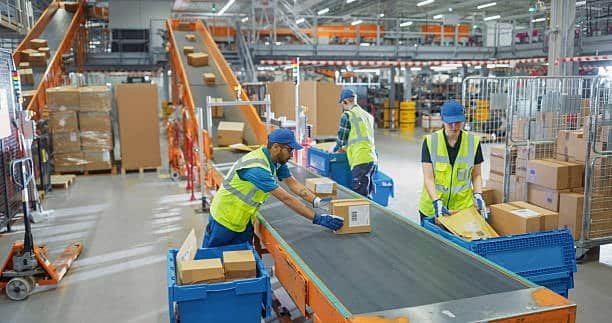
E-commerce fulfillment center employees sorting and preparing packages for shipping.
Uncategorized

Fulfillment For E Commerce: Your Complete Guide to Streamlined Operations

It highlights that efficient e-commerce fulfillment is vital for customer satisfaction, as fast and accurate delivery builds trust and loyalty. The guide explores different fulfillment models, including in-house management, dropshipping, and outsourcing to third-party logistics providers (3PLs), each with its own advantages depending on a brand’s size and goals. It also emphasizes the importance of technology, such as inventory management systems and real-time tracking, in streamlining operations. Ultimately, the article shows that strong fulfillment practices not only cut costs and save time but also create a seamless shopping experience that helps e-commerce businesses scale and stay competitive.

Scroll to Top

GET A QUOTE