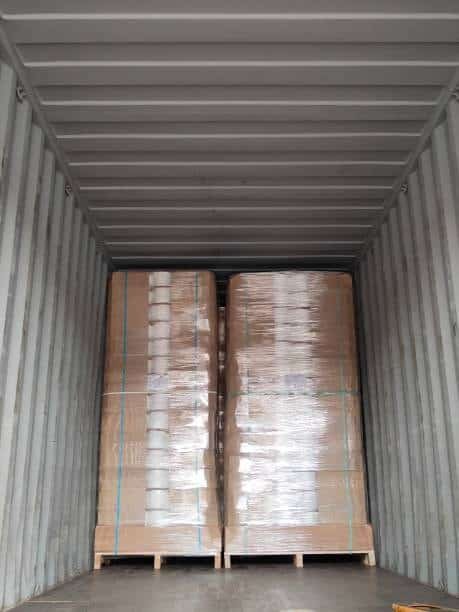
FCL vs LCL Shipping: Cost, Speed & Best Choice for Your Business [2025 Guide]
FCL shipping versus LCL shipping costs, transit times and benefits. Find out when to use full container load or less […]
FCL shipping versus LCL shipping costs, transit times and benefits. Find out when to use full container load or less […]
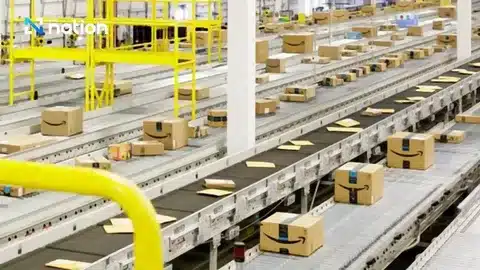
The article explains that a fulfillment center is a logistics hub where businesses store inventory and process customer orders for shipping. Unlike traditional warehouses that focus mainly on storage, fulfillment centers are built for fast order processing and distribution, making them essential to e-commerce and global retail.
It outlines the core functions of a fulfillment center: receiving and storing inventory, tracking stock with digital systems, picking and packing customer orders, shipping through carrier networks, and managing returns or exchanges.
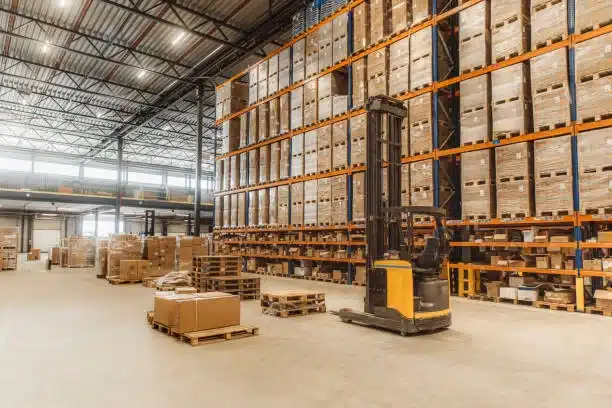
In conclusion, warehouses are ideal for businesses that need large-scale storage, while fulfillment centers are essential for companies focused on fast, accurate, and customer-facing shipping. Many businesses strategically use both to balance efficiency and cost.
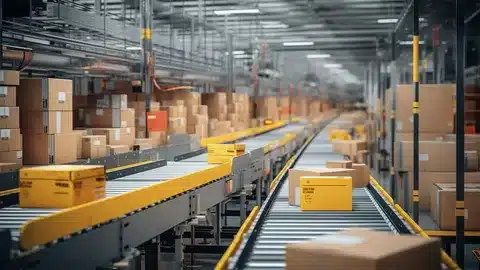
The article explains that fulfillment in shipping refers to the complete process of managing customer orders—from receiving and storing inventory to picking, packing, and delivering products. It is a critical part of e-commerce and retail supply chains, ensuring customers receive their purchases accurately and on time.
It highlights that businesses can handle fulfillment in-house or outsource it to a 3PL (third-party logistics provider). Outsourcing offers benefits like faster shipping, access to advanced technology, reduced operational costs, and scalability, while in-house fulfillment provides more control but requires greater resources.

Transport refers specifically to the physical movement of goods from one place to another by road, sea, air, or rail. Logistics, on the other hand, is a broader concept that includes transport but also covers the entire process of planning, managing, and coordinating the flow of goods, services, and information. This involves inventory management, warehousing, packaging, order fulfillment, and supply chain coordination. In short, transport is one part of logistics, while logistics is the overall strategy that ensures products move efficiently, cost-effectively, and on time from origin to final destination.
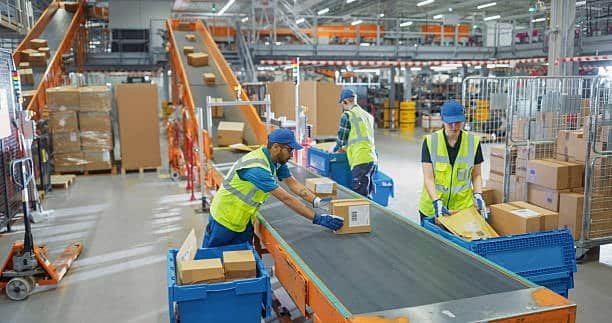
It highlights that efficient e-commerce fulfillment is vital for customer satisfaction, as fast and accurate delivery builds trust and loyalty. The guide explores different fulfillment models, including in-house management, dropshipping, and outsourcing to third-party logistics providers (3PLs), each with its own advantages depending on a brand’s size and goals. It also emphasizes the importance of technology, such as inventory management systems and real-time tracking, in streamlining operations. Ultimately, the article shows that strong fulfillment practices not only cut costs and save time but also create a seamless shopping experience that helps e-commerce businesses scale and stay competitive.
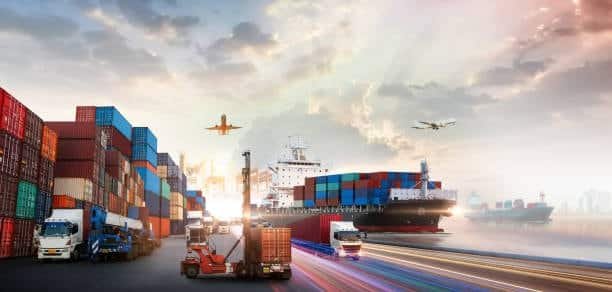
Transport and logistics are two interconnected pillars of modern trade. While transportation focuses on the physical movement of goods by air, sea, road, or rail, logistics manages the entire flow — from inventory and warehousing to delivery and customer satisfaction. This article breaks down their distinct roles, interdependence, and impact on global business efficiency.

In the competitive world of fashion, efficient transportation of your products to the customer is the key that can either