
China warehousing and foreign warehousing have varying strategic functions- which one is better than the other is based on how your supply chain is structured, your target markets, and your goals of fulfillment. China warehousing puts stocks in the manufacturing source whereas overseas warehousing puts stocks near end-customers by having stocks in local areas.
It is a common assumption of many businesses that overseas warehousing can guarantee faster delivery. In practice, China warehousing may be cheaper and have a greater degree of operation as per your business model, volumes of orders, and level of growth etc.
Companies considering global logistics solutions normally compare between warehouse solutions in China and overseas so as to come up with the most efficient solution.
What Is China Warehousing?
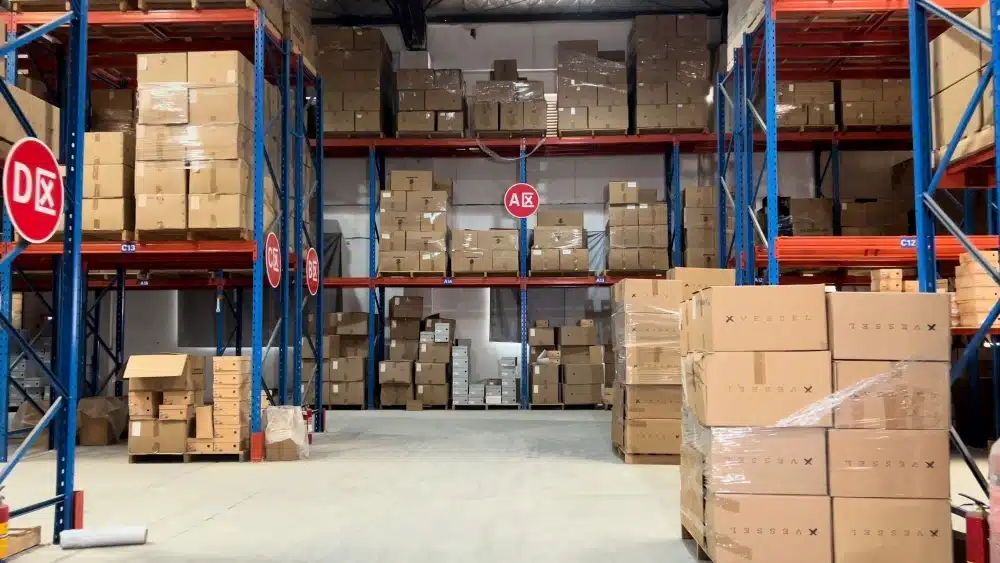
China warehousing can be defined as warehousing goods in China based facilities, generally in proximity to manufacturing centres and suppliers. This model facilitates export-driven activities that entail a pull together profile in which products are consolidated, inspected and made to be shipped abroad.
The advantage is that sellers can be directly connected with factories and this has resulted in quick replenishment, quality checks and customization before the goods are exported. Most of the providers have very high quality warehouse management tools, free storage (30 days in certain cases) and other additional services such as labels, bundling or kits.
It fits business with high concentration of Chinese suppliers and desires to have tight control of inventory at the point of production and control the export logistics at a central location.
What Is Overseas Warehousing?
Overseas warehousing entails stocking of inventories in warehouses within or close to consumer target markets like in the United States, Europe or other strategic locations. Goods: Goods are shipped in bulk in China or other origin and then locally accomplished once orders are received.
There is a shift to destination-based logistics. Local storage can be used to provide faster last-mile delivery, easier returns management, and adherence to local regulations. This model simplifies the process of repeated international shipping of every order and enables higher service levels anticipated by modern online buyers.
Key Differences Between China Warehousing and Overseas Warehousing
The fundamental difference is in positioning: China warehousing is more efficient in manufacturing and expenses at the source whereas the overseas warehousing is focused more on speed and customer experience at the destination.
The following is a definite juxtaposition:
| Aspect | China Warehousing | Overseas Warehousing |
| Location | Near manufacturers in China | Near customers in target markets |
| Cost | Lower storage and labor costs | Higher storage and operational costs |
| Shipping / Delivery | Longer international transit times | Faster local last-mile delivery |
| Flexibility | High – easy to adjust, inspect, or customize inventory | More limited once goods are imported |
| Inventory Risk | Lower – hold stock at origin with less capital tied up | Higher – larger upfront shipments and potential overstock |
These variations have a direct effect on total costs of landed land, cash flow and customer satisfaction. Knowing them will assist in ensuring that your warehousing decision is focused on real business requirements and not reckoning.
Advantages of China Warehousing
China warehousing is exclusive to companies that want cost-effectiveness and flexibility of operations. Competitiveness in manufacturing areas leads to the creation of relatively cheap labor and facilities which make the storage charges low. Being close to suppliers makes it easy to replenish inventory in a short period of time, carry out quality checks, or last-minute changes without expensive air freight.
Flexible inventory management is another key benefit. Key benefits include longer storage of goods without heavy penalties in numerous facilities, smaller batch testing of new products and a lesser initial capital investment. The inventory risk is also reduced in this model since unsold inventory is reduced closer to the point of origin and can be re-purposed or re-allocated more readily.
To sellers with variable demand or selling in early stages, the benefits will mean improved cash flow and an ease on the budget.
Advantages of Overseas Warehousing
Offshore warehousing is also best when fulfillment speed is a priority as well as customer experience. In most situations, after inventory has been transferred to the local market, the acceptance of orders and delivering it within 1-3 days allow them to satisfy the expectations of modern shoppers on such platforms as Amazon, Shopify, or Tik Tok Shop.
This method will simplify international shipping per sale. It also makes processing returns easier and assists in building a better brand image with customers by means of excellent, quick delivery. In the case of high-volume or slow-shifting products, the investment in local storage can be paid back with a greater conversion and a repeat purchase.
When Should You Choose China Warehousing?
Select China warehousing when your venture is in the young or pilot stage, has a dropshipping or low-volume business model, or your business has a high stock turnover. It is effective in cases where there is frequent product addition, where frequent supplier coordination is required and in cases where there is a need to minimize holding costs during scaled-up periods.
This alternative is also appropriate to the companies, which are geared on cost minimization and are willing to have a bit longer delivery time to have higher margins and control the operations.
When Should You Choose Overseas Warehousing?
Use expanded warehousing where there are regular high order levels, predictable demand patterns or a high concentration on one specific local market. This is beneficial when your business grows up and customer demands of quick shipping rise.
Brands positioned at the high end or competing in a highly competitive category can make use of the increased levels of service and lower shipping pangs that local fulfillment offers.
Hybrid Strategy: Combining China and Overseas Warehousing
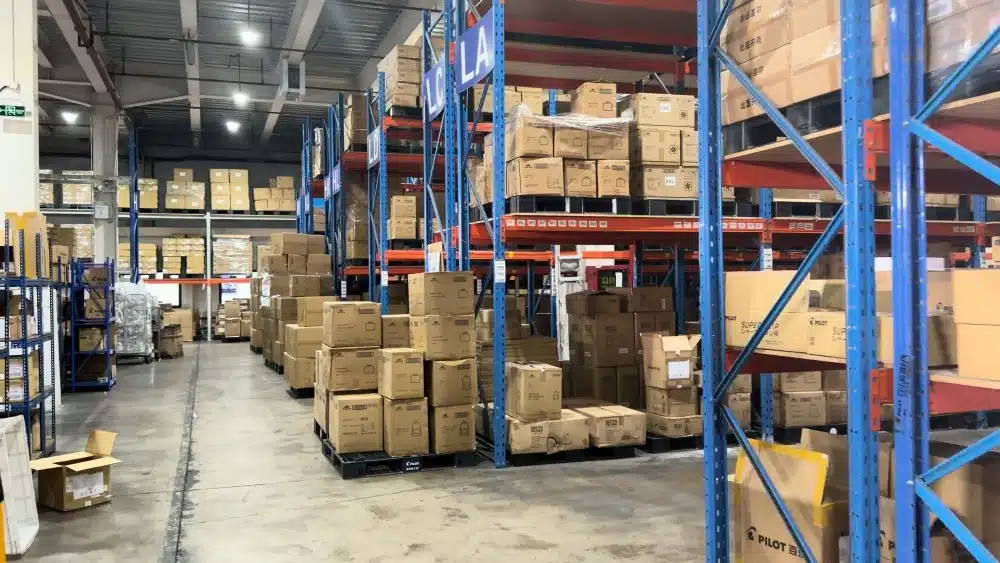
Some successful sellers have a combined strategy, storing bulk quantities on China bases, where quality can be controlled, and delivered at a slower pace, and keeping strategic stocks at an overseas location, where high demand or urgency products can be supplied at short notice.
This is a cost-speed trade-off that is optimized to this balanced model. Most of your inventory is managed at the origin to manage costs and flexibility and then forward-ship select items to local warehouses according to sales information. This strategy becomes more and more applicable to the development of eCommerce, using advanced tools in inventory planning and real-time visibility.
Common Mistakes in Warehousing Strategy
Even well-travelled sellers may jump into a trap in determining where to warehouse. These are some common pitfalls to be avoided:
- Selection by speed alone – Leaving out the complete effect on cost of margins and cash flow.
- Ignoring cost in total cost structure – Only paying attention to warehousing charges and not taking into account latent costs such as perennial holding of stock or expedited delivery.
- Excessive demand forecasting – 100 percent of the stock taken to the overseas markets results in large storage expenses and obsolescence.
- Ineffective inventory control – Lack of coordination between warehousing and the real sales trends and product life cycle.
These problems can be avoided by a careful consideration of your own supply chain, product nature and development plans.
Conclusion — Strategy Matters More Than Location
The decision to go with China warehousing or go with overseas warehousing finally rests with your business model, cost structure and customer expectations. Sometimes neither would be the best choice; rather, you just need to consider the compatibility of the choice to your long-term objectives and the overall logistics strategy.
An effective strategy that could be pure China-based, entirely overseas or a mix of both helps in effective operations and sustainable market expansion within competitive global markets. Periodical assessment of performance and performance indices and adjustment to evolving circumstances is still a key to successful warehousing strategy.