Introduction
The issue of key differences between transportation and logistics is the pivotal aspect of the contemporary globalized world characterized by the presence of an emerging economy since the latter are two absolutely different aspects of the supply chain management. Knowing the main difference between transport and logistics, the companies working in the sphere of transportation and international trade and commerce should prioritize understanding logistics and realize a few important points. This is especially relevant for sectors like apparel fulfillment, where logistics complexity is amplified by SKU variations and seasonal demand. an realize a few important points. Compared to transport, the issue of merely ensuring the physical aspect of delivering goods during transportation does not exist in the domain of logistics the entire ecology of planning, coordination and implementation of modern-day business is concerned about.
This paper will reveal that logistics managers in the preoccupation with logistics article is a perfect extension of understanding logistics in order to ensure timely delivery. and the making of international transactions., explores the means of transport that exist and the strengths and weaknesses thereof, elucidates on the terminologies that logistics companies employ and that are essential in these industries, reveals good career choices in the two industries, and explains how the COVID-19 pandemic did affect and leave an impact on the face of these fields forever on.
What is the Difference Between Transport and Logistics?
Transportation industry
Transport is a narrower, tactical element of the more expansive, supply chain. Just as it does not focus on the production of the commodity but concentrates on its physical movement by the means of different channels such as road, rail, sea or air. Transportation just forms a subset of the transportation and logistics industry, which is an inevitable one, and involves the physical distribution or transfer of the products or goods along the most efficient delivery route between point A and point B. and more so as regards to particular tariffs.
Logistics international trade
The broader strategy level into which the logistics and supply chain operations are operating has a broad scope of inventory management coupled with a number of activities that may be involved in and are interconnected. These include demand planning, order management, fulfillment operations, inspection, customs clearance, storage, distribution, and documentation. that may be involved in and are interconnected. They are demand planning and activating skillful export packaging play, a high technology order management program, a pipup inspection, intricate and complicated custom clearance processes, no wastage storage, well-developed distribution channels and highly elaborate documentation.
Logistics addresses the complexity between planning and facilitating data flows that is required to facilitate cost effective cross-border trade and encompasses all the backoffice support needed to ensure that all goods and services move efficiently. ensure effective logistics operations are possible and that all the elements of the entire supply chain operational performance work in synch producing goods cost effectively to generate revenue for the end customers.
How Logistics Fits Into an International Transaction
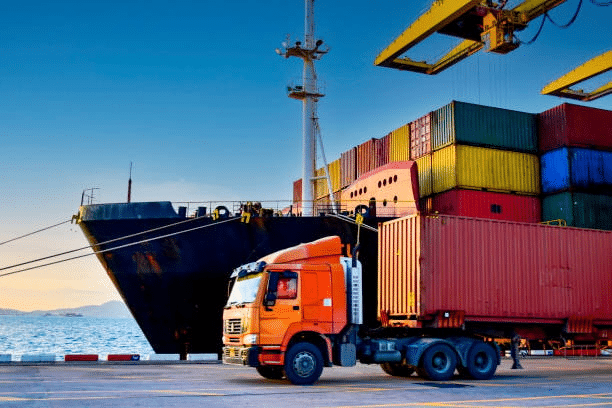
The logistic cycle of the international transaction process starts with the issuing of the first purchase order and must require different special teams to coordinate their efforts. The sourcing team, import expert, production teams, and traffic management work together to help in facilitating the most advantageous terms possible and ensuring compliance with customs compliance and proper classifications, including calculating import fees. , all relevant documentation procedures, routing plans, labeling requirements and testing protocols.Understanding the fulfillment process is essential for managing these logistics operations effectively.
A significant element of this procedure is the use of Advance Shipping Notice (ASN) systems that are designed by competent freight forwarders. The same intensity of coordination is transformed to include the customs broker, the warehouses specialized in import goods (understanding the difference between warehouses and fulfillment centers is crucial here), the trucking companies specialized in importation, and the coordination of payments. specialized in importation (import trucking companies) and the coordination of payments(payment coordinators) and a harmonious working of various professionals which are aimed at serving the same line is put in place.
International logistics involves movement of information smoothly throughout the chain to have efficient delivery of information . The capability to keep the information flowing between the parties will help to avoid the potentially harmful disruption in the flow of information and will ultimately help to at least improve customer demands and customer satisfaction while considering sales tax implications. as well as reduce costs without creating cost spikes which are highly unpredictable and are likely to affect the profit margin considerably as well as to improve customer satisfaction.
Transportation Methods: Options and Decision Factors
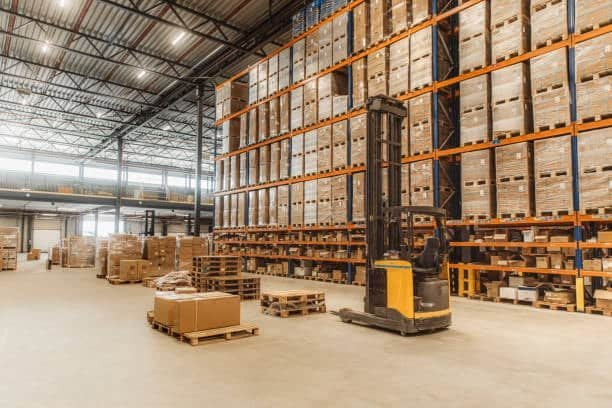
In the choice of method of transport, the following important decision variables need to be considered; cost efficiency and demand forecasting, how duties are to be computed, what is feasible and effective speed of delivery and security issues, carrying capacity, flexibility and the environmental impact.
Motor Freight (Road Transport)
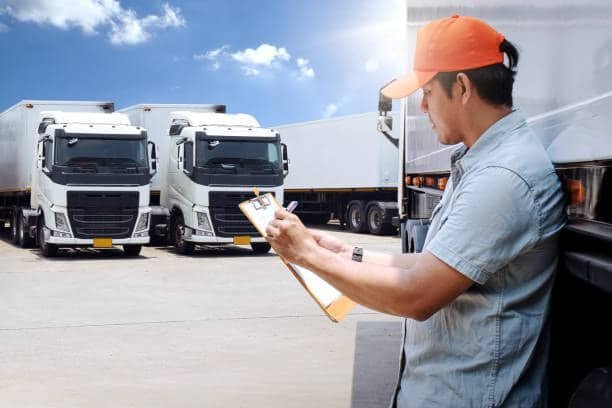
Road transportation is particularly unique in having the door to door delivery service model that becomes quite beneficial on the intra regional deliveries. Nevertheless, the strategy does not lack numerous disadvantages such as the increase in emissions per transported unit in the transportation industry can make it more difficult to calculate duties. , its limited number in proportion to other modes of transport, and the development of cost issues that will gain the center of attention because of fuel prices and the shortage of drivers.
Rail (Ground Transport)
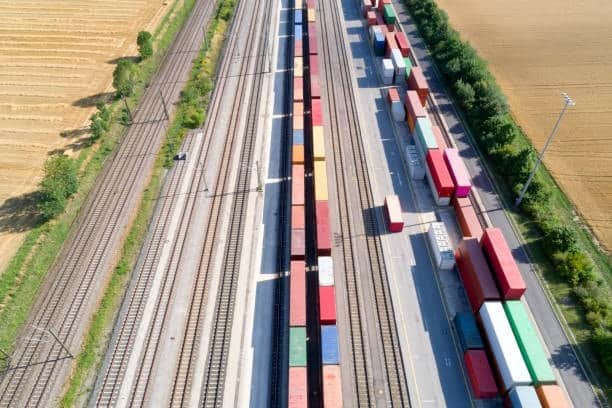
Rail transport is also presumed to be the best in the transportation of heavy and bulk cargo in long distance regional transport. The prominent benefits of it are that it is very cheap in intra-city transportation particularly in comparison to the road transport, its capability of moving large volume of consignments as well as the minimal environmental effect on the unit to unit transport cost. The primary consequences of imported goods are the fixed character in routing, the involvement of fixed terminals, and the set of arrangements in issues of customs responsibility and customs duty rate. . and the delay that may naturally come as a result of a shared common infrastructure.
Water Transport (Ocean) harmonized system
Sea transport is the most typical mode of transportations to international trade where the trade happening in the world is about 95 percent. It is a very productive and cost-effective method with a faultless scalability in situations of large moves. But the ocean transportation is slow, it is inflexible as far as scheduling and routing are concerned and it has high dependency on the infrastructure such as ports and terminals to mention but a few which can also play a role in regard to value added tax affairs.
Air Transport
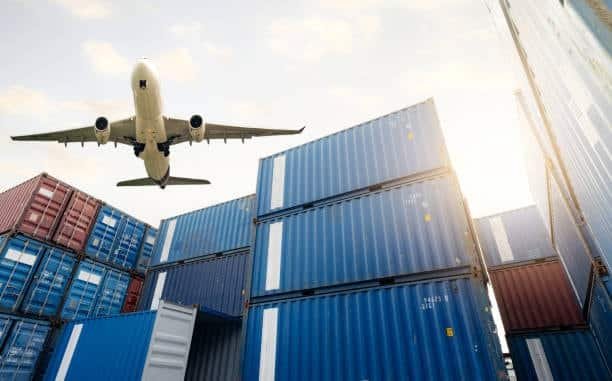
This is given the fact that air transport is the fastest offered option and as such it is exercised in transportation of goods whose value is high or transportation of some goods which would not have been transported fast. Its main disadvantages are that it is much more expensive as a result of customs duties and importations taxes, has limited capacity, has high emission to the environment and is dependent on fixed routes and services of an airport.
Multimodal and Intermodal Solutions customer satisfaction
These packaged services include integration of seamless transport through the use of different modes of transport on a single bill of lading that is open to one provider. As under this plan, it is most frequently used at both ends i.e. door-to-door service delivery of freight services, land-bridge services and combined parcel service to provide a convenient to operate logistics to the client at the highest cost-efficient environment.
Transport and Logistics Glossary – Essential Terms services tax
Industry Terminologies The different terminologies of the transportation and logistics industry must be learned so as to be able to communicate and even become involved in the freight management operation of the business:
Conveyance can be defined as the means of transport or the ship that customer can transport goods via. Automatic interchange of business documents between organisations is referred to as EDI (Electronic Data Interchange). Advance Shipping Notice ( SN ) gives detailed information of shipments in advance.
Commercial Invoice is the most important document during the international relations and billing. Demurrage: The charge levied by the loading/ unloading port against the free time stipulated Demurrage: The charge that is imposed by the customer place of loading/ unloading the container against the free time stipulated.
FCL Full Container Load and FTL Full Truck Load, in their turn, presuppose the use of a dedicated container/truck, and LCL Less-than Container Load and LTL Less-than Truck Load, on the other hand, assume space sharing.
Copy Yard (Container Yard) is a special port facility offering container lay down, container storage and container consolidation services. The consolidation services provided in a special facility are CFS (Container Freight Station).
Vital documents necessary would include Certificate of Origin that certifies the origin of goods, Bill of Lading that serves as the receipt to the contract, Inspection Certificate that certifies the quality levels and the Insurance Certificate that insures the transportation of goods.
Incoterms are business terms and international commitments. At international level, the standards in customs are stipulated by WCO (World Customs Organization). This is enabled under ATA Carnet after which items are temporarily imported at zero tariffs
Common Incoterms used in international trade include CIF (Cost, Insurance and Freight), which places responsibility on the seller to cover costs, insurance, and freight to the destination port; FOB (Free on Board), where the seller delivers goods on board the vessel; and FCA (Free Carrier), where the seller hands over goods to a carrier nominated by the buyer.
Export quotas put a restriction on the amount which is exported, Tariffs are the duty levied on imports and Customs classification will determine the rate of duty to be imposed in addition to the letter of credit which is a guarantee of paying the money.
Transport and Logistics Careers
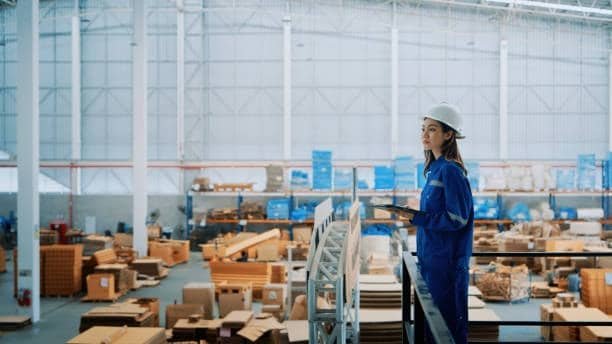
There is high growth potential and a range of career opportunities is possible in transport and logistics industry:
Traffic Manager goods and services
Facilitates a transportation activity, negotiates with carriers, routing decision, and cost-effectively transport consumer goods with regard to the quality of a service..
Import Manager
It oversees the organization of international shipment, regulation of the custom clearance process, regulatory norms, freight forwarder coordination and custom brokerage which help generate government revenue, and all of which are imperative in maximizing business performance and government revenue. and proper documentation of all importation related matters.
Import Finance Coordinator
It caters to international payment transaction, coordinates on the letters of credits, issues problems of currency issues, financing documentation, dealing with financial institutions and issuing agencies, and banks to ensure smooth punctuations on payment actual movement services tax.
Both roles involve excellent inter departments organization as well as integration with foreign associates such as suppliers, carriers, customs and finance agencies in achieving a seamless business operations in the supply chain international shipping.
COVID-19 and the Future
In reality the unprecedented congestion at the ports, large workforce shortages and disproportionate movement of freight along the global supply chains globally came to be regarded as the crux of the matter during the COVID-19 pandemic at the epicenter of the global supply chains international borders. These disturbances demonstrated the weaknesses of transportation management and logistics knowledge in the traditional models of supply chain., especially concerning transportation and logistics companies imported products. and the development of the use of the novel technologies and practices that have an opportunity to affect merchandise connections primary modes.
It has been estimated that the focus on automation technologies will be greater, a greater diversification to strategic sourcing to ensure reduced exposure and risk to a specific region particular country, and the increased resilience to regional self-sustaining to enhance the future 30 of shock resistance import taxes.
Investment in facilities and technology to eliminate congestions in the ports which are the common problems best routes, data integrity through the use of effective tracking facilities and organization of the whole participants in the supply chain to have more effective and efficient logistics system are the new best delivery route.
Conclusion
The difference between transportation and logistics does not only end in definitions since in the case of transport, it involves the physical movement of goods whereas logistics ends up involving the organization of the entire transportation and logistic businesses within the overall supply chain protect domestic industries. As the trading world is getting more dynamic especially in its rebound against the shock of the virus, operation of strategic and well entrenched businesses cannot afford the practical consequences of such transportation, and the strategic presence of the awareness about logistics, and the extent to which managing logistics can influence trade relationships, including the indirect tax imposed. and be hectic in the successful fulfillment of the desires of customers domestic industries. The professionals concerned with traffic management, coordination of imports and financial professionals are core drivers to the absence of discontinuity in the complex networks that make commerce across boundaries a reality and which he or she follows in the above careers. Both industries will need to accustom to the ethos of technological innovation, evolve the manner in which they orchestrate their operational processes through diversification and generate more stable systems. This is particularly important for brands operating in direct-to-consumer logistics, where seamless integration between transportation and fulfillment is critical. through diversification and generate more stable systems that will assist in adjusting to the ever-changing international market-place seldom logistics process additional cost.