In China, the core picking and packing operations of pick and pack services generally lie between the range of $0.30 to 2.50/order, depending on the complexity of the products, the quantity of the ordered product and the level of service. But this is just a part of the total fulfillment cost. Storage charges, costs of shipping and value-added services also accumulate.
Most companies are willing to deal with a flat rate per order. In practice, the prices differ greatly depending on the demand of operations, practicality of a product, and the logistics. Being aware of the complete cost system takes eCommerce sellers, particularly Shopify and Amazon traders, who may have their suppliers in China, to make viable decisions that strike a balance between cost and efficiency.
Online sellers in China can use pick and pack services as a convenient and sometimes affordable means to access international markets, especially those that make or bring their goods within China.
Typical Pick and Pack Pricing in China
Chinese commodity prices are typically flexible and volume-oriented. Provisioners hardly ever charge one flat rate, but must split costs into identifiable elements to ensure businesses are able to predict costs precisely.
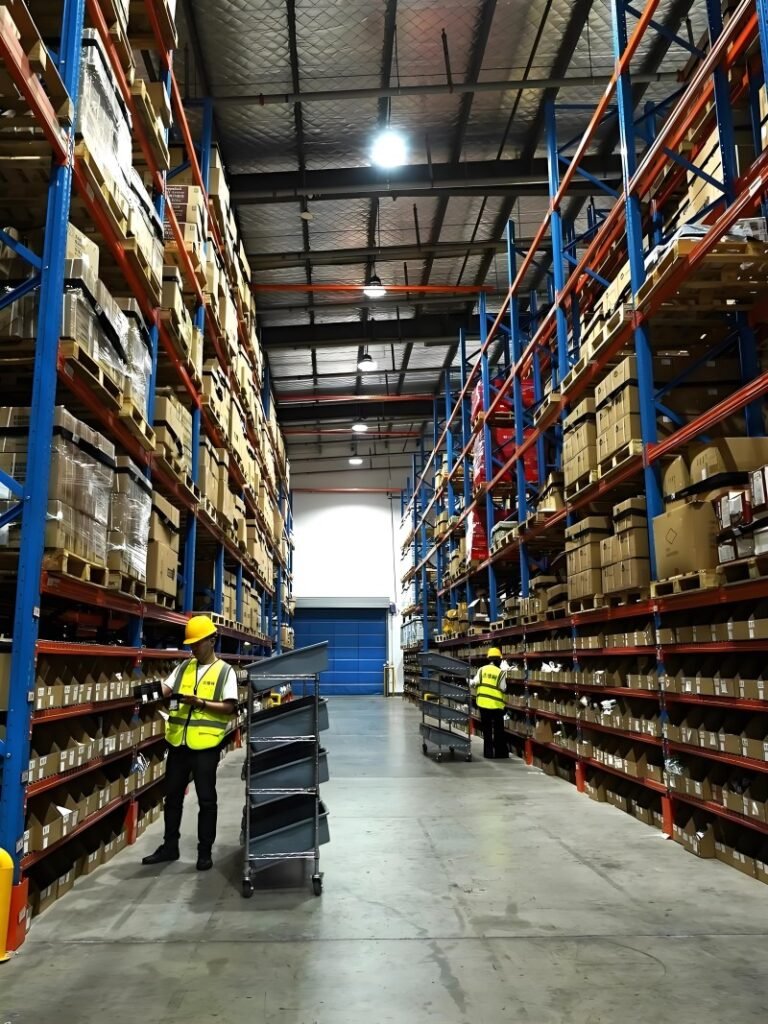
Estimated Cost Breakdown (2026 Ranges in USD)
| Cost Component | Typical Range (USD) | Notes |
| Pick Fee | $0.20 – $1.00 per item | Depends on SKU complexity and number of items per order |
| Pack Fee | $0.50 – $1.50 per order | Based on standard vs. custom packaging type and materials |
| Storage Fee | $0.10 – $0.50 per unit/month | Often volume-based (CBM or pallet); many providers offer up to 30 days free |
| Shipping Cost | $3 – $15+ per order | Varies widely by destination, weight, and carrier (express vs. economy) |
| Value-Added Services | Variable | Custom packaging, labeling, kitting, inserts, or Amazon FBA prep |
Such ranges are based on the real-world 3PL operations in such hubs as Shenzhen and Shanghai. The real quotes may be either less or more to the high-volume (thousands of orders per month) and low-volume or complex orders.
A combined pick-and-pack cost usually falls between 0.80 and 2.00 in case of a typical small-to-mediocre order (1-3 items, regular poly mailer). The lower end costs are often realized by the high-volume sellers whose processes are optimized due to negotiated costs and efficient warehouse systems.
Key Factors That Affect Pick and Pack Costs in China
Various operational variables are concerned with pricing. Being aware of these drivers enables businesses to estimate the costs more precisely and make deals.
Main Cost Drivers
- Volume of Orders: The volume of orders per month is usually associated with lowering the per-order cost due to economies of scale. Givers tend to price in tiers and it usually starts with the discounting of 500, 1,000 or 5,000+ inquiries per month.
- SKU Complexity: Multiple item or variant orders need to be picked longer, raising labor expenses. Single-SKU orders remain simple and less expensive.
- Packaging Type: The standard mailers or boxes are less expensive. Personalized branded packaging, gift wrapping, or protective wrapping will add material and labor costs.
- Shipping Destination: International shipping (particularly to the USA, Europe, or other outside markets) is a huge portion of the entirety. A lot depends on the weight/dimensions/preferred carrier (economy, sea/air, vs. express).
- Efficiency and Location of Warehouse: Modern warehouses having sophisticated inventory and location to manufacturing centers ensure that the labor and handling are kept low. Facilities that are not as old or automated might be more expensive.
Knowing these factors assists businesses to make estimations and manage costs that are more effective in comparison with other providers.
Why Pick and Pack Services in China Are Cost-Effective
China continues to be among the most competitive areas of fulfillment services particularly to those businesses who are already sourcing products in China.
Cost Advantages
- Compared to Western markets, it has lower labor costs directly saving picking and packing costs.
- Utilization of inbound logistical costs and speed of replenishment is reduced by proximity to the manufacturers.
- Scalable pricing systems that grow with businesses — suitable when starting up or growing brands.
- Several shipping options, such as cost-effective consolidation of products in the sea, to quicker airfreight or courier.
These benefits can be significant savings to the global eCommerce sellers. Due to the ability to fulfill in China, many Amazon and Shopify sellers discover that they are able to sustain healthy margins and are able to provide compelling prices to their customers.
Comparing China vs Local Fulfillment Costs
The decision between China-based and local fulfillment (US, UK, or EU) is related to your business interests, product margins, and customer expectations.
Cost Comparison Overview
| Factor | China Fulfillment | Local Fulfillment (US/EU) |
| Labor & Pick/Pack Cost | Lower ($0.30–$2.50/order) | Higher ($3–$8+/order) |
| Shipping Time | Longer for international (7–20+ days) | Faster domestic (1–5 days) |
| Inventory Holding Cost | Lower storage rates | Higher warehouse rents |
| Flexibility & Scalability | High, especially for sourcing-based models | Moderate, more fixed costs |
| Best For | Cost-sensitive, sourcing-heavy businesses | Speed-focused, high AOV brands |
China-based fulfillment can be more economical with companies that break into the locality source of products as well as international sale. Local fulfillment glistens where speedy delivery is a determinant of conversion. A hybrid strategy is made successful by a number of well-known brands: store core goods in China and ship high-velocity goods to local warehouses.
Hidden Costs to Watch Out For
Initial pricing does not always explicitly list some of the costs. It is a good idea to review the entire contract to avoid things going wrong.
Common Hidden Costs
- The inbound fee of receiving or accepting consignments of shipped goods by factories.
- Minimum order or monthly volume requirements, where there are penalties in case of failure to achieve them.
- Rebate processing charges (checking, replenishment or disposal).
- Upgrades or special inserts on packaging materials are sold at a cost plus regular mark up.
- Storage overage refers to the excess charge on excess inventory or inventory holding longer than is contracted.
- Utilization of peak season surcharges or dimensional weight offers on shipping.
Being an experienced seller, one will always demand the cost breakdown and will enquire about possible add-ons before committing.
How to Reduce Pick and Pack Costs in China
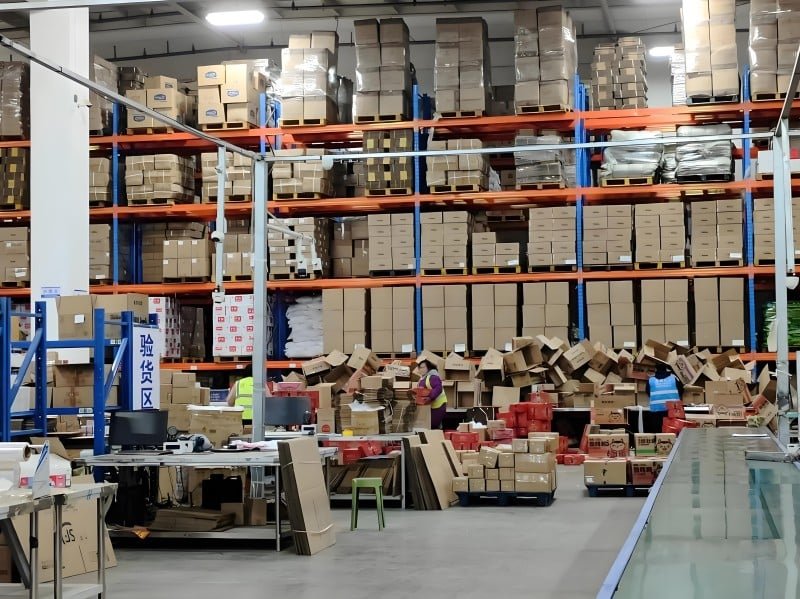
Operation adjustments and strategic decision making result in cost reduction. Even minor things will add up to major savings.
Key Strategies
- Ensure that the size and weight of the packaging materials are minimized in order to reduce the packing materials and freight costs.
- Minimize SKU complexity by simplifying product variants where feasible.
- Stock up on inventory so as to reduce time in storage and release cash.
- Streamline order processing: Refer to API integrations with your store (Shopify, Amazon, etc.) in order to lessen manual error and man hours.
- Combine shipments and negotiate carrier rates at increased amounts.
Numerous suppliers also have free tools such as real-time tracking dashboards and inventory reports, which can assist you in making smarter replenishment decision-making.
When Does It Make Sense to Use China-Based Pick and Pack?
The China-based fulfillment does not always suit all business yet it will work effectively in specific situations.
Best Use Cases
- Companies that source or produce in China and would like to reduce the inbound logistics expenses.
- Dropshipping or print-on-demand models to the worldwide markets.
- Brands that focus on overall cost efficiency and not necessarily on the fastest delivery times.
- Big businesses that expand globally and require scalable capacity without substantial initial investment in a local warehouse.
When you have average order value and your customers are comfortable with typical international shipping cycles (usually 714 days with trackings), China fulfillment can provide good value.
Conclusion — Cost Depends on Structure, Not Just Price
The prices of pick and pack service in China depend on a variety of factors that cover the size of the order, complexity of its packaging, and shipping plan. Instead of going after the lowest quoted price, enterprises ought to compare the total cost framework, dependability, and working proficiency of the provider.
An efficient fulfillment system, with enticing per-order or one-unit pricing, and intelligent inventory and transparency-oriented add-ons, can drive down overall price, and enhance scalability and consumer satisfaction. To numerous Shopify and Amazon merchants who are sourcing in China collaboration with an established China-based vendor would be a feasible approach to keeping costs down without compromising the quality of service.