The process of shipping goods between China and Amazon FBA is not necessarily a headache. You may be an Amazon seller who does business with China, but the issue is that the efficiency of getting your inventory to FBA warehouses is a major concern that keeps your business running. I am not new at this supply chain game and have been assisting sellers just like you through this process and let me tell you that with a proper plan at hand you will save time, money and a lot of frustration. We will break it down into phases in this guide and we will begin by the fundamentals in the very front.
How to Ship from China to Amazon FBA in 5 Simple Steps

In a hurry, the following is the summary of Amazon FBA shipping in China reduced to bare minimum. This comprehensive summary will jump your feet off the ground but be around to give you the complete picture.
- Examine and Find Your Supplier: Find a trusted supplier in China and set up the quality checks to identify the problems early.
- Prep FBA: Labeling, packing, and bundling Amazon FNSKU labels and poly bags–do it the Amazon way.
- Select Your shipping option: Select air, sea, express or DDP depending on speed and cost.
- Clarity in the Customs: Have a clearance in the customs, such as documents such as commercial invoices and bills of lading, and sail smooth through the ports.
- Ship and Track to Amazon: shipment of your goods to the specified FBA warehouse and track it to the delivery point.
This can take 2-6 weeks per procedure based on the procedure, yet prior planning will eliminate expensive delays. However, now we can explore each part in more detail.
Step-by-Step Guide to Shipping Products from China to Amazon FBA
Okay, into the finer details. Having been an operator of China to FBA logistics on behalf of thousands of clients, I can inform you that success is achieved on the basis of careful planning. We will discuss eight main steps, and they will be supported with real-life examples and tips to simplify the process.
Step 1: Choose a Supplier or Source Your Product
All it begins with is sourcing. It is not to select the cheapest supplier but seek suppliers with a good track record. Use sites such as Alibaba, or visit trade show in China to get choices.
- Pro Tip: Do factory audit of suppliers. As an example, when you are sourcing electronics, ensure that they have certification such as CE or RoHS or you will have problems with compliance in the future.
- Example: One of our clients that buys kitchen appliances had a bad lot but a bad lot; runs in thousands of returns was avoided by early vetting.
Combine this with your general China fulfillment plan so that there is a smooth transition into prep services.
Step 2: Confirm Amazon FBA Requirements
Check the guidelines of Amazon before any ships. They are updated by them on a periodical basis, hence log into Seller Central to get current.
- Check mark labeling, pack and carton specifications.
- Check safety of products i.e. sharp edges should have warning signs.
This measure avoids FBA warehouse rejections which can ruin the account performance.
Step 3: Perform Product Inspection in China
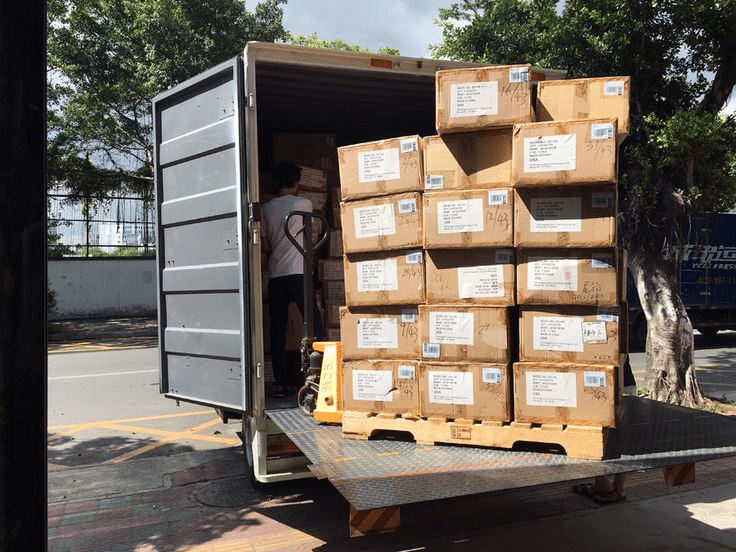
There are no exceptions of inspections. Have third party inspector in China to test quality prior to shipment.
- Precise Process: Inspectors check samples in terms of defects, functionality and packaging. Seek AQL ( Acceptable Quality Limit) standards.
- Advice of a 3PL Expert: This should be done at the factory to correct problems on site. We have observed vendors who have not done this and had 20% defect rates, which is expensive to maintain back home.
- Examples: In the case of apparel, the check stitching; the fabric quality; one of the sellers escaped a recall by diagnosing problems with dye.
Step 4: Complete FBA Prep (Labeling, Bundling, Poly Bags, Carton Labeling)
It is in FBA prep that most of the trips go. This is in the application of FNSKU labels, sets and poly bags to protect.
- Labeling: Each item requires an FNSKU barcode they should be generated through the Amazon paraphernalia.
- Bundling and Poly Bags: Package items by the group;: make soft goods use suffocation-warning poly bags.
- Carton Requirements: Cartons should be labeled with Amazon shipment IDs; boxes should be less than 50 lbs.
- Pro Tip: Prep services based in China are more efficient to outsource. This is something we do day in day out at BM Supply Chain, and regularly, we end up with labeling mistakes that Amazon would push out.
Real-life case: A toy dealer packaged sets incorrectly resulting in unpacking costs- good preparation prevented that.

Step 5: Choose a Shipping Method
Choose according to your time and money. We shall compare processes in some detail later but this is the set-up.
- Get quotations with freight forwarders.
- Factor in duties and taxes.
Step 6: Handle Customs Clearance & Documentation
Customs can be a bottleneck. Prepare docs like:
- Commercial invoice
- Packing list
- Bill of lading
- HS codes for tariffs
- Pro Tip: Hire a custom broker that is conversant with China exports. In the case of DDP shipping, the forwarder does the work- excellent entry level.
- Examples: Electronics usually have increased tariffs; proper HS codes saved money to one of our customers.
Step 7: Ship to Amazon FBA Warehouse
Make a shipping plan in Seller Central, get warehouse addresses, and ship.
- Reply on discounts on partnered carriers.
- Pro Hack: Divide the shipments to different warehouses in order to save on the charges, but first unite in China.
Step 8: Track and Confirm Delivery
Check through the tracking numbers and the portal used by Amazon.
- Set alerts for delays.
- Request confirmation: to prevent inventory glitches.
- Destination: The late delivery of a shipping ship resulted in stock outs; live tracking enabled the seller to order on time.
After these steps in China to FBA logistics, things keep on moving.
Shipping Methods Comparison: Air, Sea, Express, and DDP
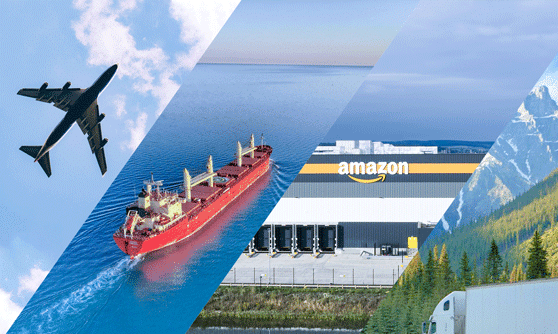
It is important to select the appropriate freight shipping to FBA. Here’s a breakdown:
- Air Freight: Rapid (5-10 days), and expensive (5-10/kg). Applicable to high-value and low-weight products or launches. An example is; Electronics through holidays.
- Sea Freight: the least expensive (1-3/kg), but the slowest (20-40 days). Exceptional to large products such as furniture. Use LCL for small loads.
- Express couriers (DHL/ UPS/ FedEx): Fast (3-7 days), average price (3-7/kg). An ideal fit in the samples or restock case.
- DDP Not inclusive: Door-to-door, inclusive of duties. More expensive in the short-term, but eases the customs. Suits new sellers who do not want to do paperwork.
Prices are dependent on volume air less than 500kg, sea more. Transit times to China: air is predictable all the year round, sea is likely to experience port congestion. Select depending on the inventory requirements; we suggest hybrids as a balanced China fulfillment.
Amazon FBA Requirements You Must Follow

Amazon is also rigid – failure to comply will attract fines or suspension. Key rules:
- FNSKU Labelling: Each sellable unit has a unique barcode on it. No barcodes of any covering manufacturer.
- Poly-Bag Requirements: When it comes to liquids, sharps or breakables; there should be warning labels of suffocation.
- Carton Size/Weight Capacity: 50lbs/box, 150lbs/pallet; less than 25 inches on the long side on some.
- Box Content Information: Add information in Seller Central to be received correctly.
- Pallet Requirements: In LTL delivery, 40×48 inch pallets with wrappings are to be used.
- Packaging Advice: No loose articles; wrapped in defense of demolition. Packaging rejections are avoided by testing.
Pro Hack: Template Amazon carton labels. We have already packed thousands of orders–little things such as positioning of labels count.
Common Mistakes to Avoid When Shipping to Amazon FBA
Even pros slip up. Here are seven pitfalls:

- Omission of Inspections: Causes defects and returns- always check in China.
- Wrong labelling: Illicit FNSKUs are time wasting; Four checks are wrong.
- Underestimating Customs: Pros means holds incomplete docs.
- Bad Packages: Damaging goods received? FBA fees pile up.
- Disregarding Warehouse Splits: The location of all in a single spot adds fees.
- Not Tracking Costs: Mystery Charges such as duties shock–budget deficit.
- Rushing Shipping Method Choice: Sea in an emergency? Stockouts ensue.
These should be avoided to make shipment of Amazon FBA in China easier.
Expert Tips for Efficient China to FBA Logistics
Based on our experience at BM Supply Chain, the following are tips that are seen as insiders:
- Cutting Costs: Shipment consolidation in China will reduce freight costs; supplier should negotiate with suppliers on large quantities of shipments.
- Reduce Time to Wait: Book freight in time of high seasons such as Q4; APIs of real-time tracking.
- Avoid Stockouts: Estimate demand and utilize the use of just-in-time inventory through the warehouses in China.
- Enhance Accuracy in Prep: Outsource to 3PLs to have labels done correctly we have reduced rejection by 90 percent of the clients.
- Bonus: APIs will work with achieving smooth satisfaction of the orders; a 30-days free storage will support cash flow.
These are not textbook tips they are the tips of the Chinese FBA preparation schools.
When to Use a China Fulfillment Center
A large number of sellers have a justified reason to resort to a China fulfillment center such as the one offered by BM Supply Chain. Managing it within the country simplifies:
- FBA Prep: Packing and labeling hassle-free pricing and shipping that is made in the United States.
- Checks: Quality on the ground checks.
- Storage: 30 days free, de-pressurizing.
- Replenishment: Rapid replenishment to FBA.
- Consolidation: Use multi-supplier orders.
- Same-Day Deliveries: Express delivery.
When you are scaling, the heavy lifting is done by a 3PL and you can concentrate on sales. We have tailored solutions to hundreds such as sourcing raw materials to the final delivery.
FAQs About Shipping Products from China to Amazon FBA
- What is the time of shipping between China and Amazon FBA? Relying on the method: express 3-7days, air 5-10 days, sea 20-40 days. Factor in prep time.
- What are the required documents at the customs? Invoice, packing list, bill of lading and HS codes. DDP simplifies this.
- Is it possible to ship supplier-to-FBA? Yes, only apply a forwarder together in order to comply. Better with prep services.
- What is the cost of Amazon FBA shipping in China? 1-10/kg, depending on shipping method; indirect costs (duty 10-20% on most goods).
- What happens in case my shipment is rejected at FBA? Repair and resend, avoid, with the right tags.
- Is DDP worth it for beginners? By far–deals with responsibilities, minimizing shocks.
Conclusion
The process of transporting goods out of China to Amazon FBA is a sure way of success provided it is properly followed. With sourcing, nailing prep and requirements, selecting smart shipping, and missing pitfalls to avoid, you can keep the inventory going without any drama. It is important to remember that all the difference may be made by collaboration with experienced China based providers. This guide will keep you informed about the changes in 2026, and your Amazon business will succeed. Got questions? Dive in and get shipping!