Ecommerce packaging creates a lot of plastic waste items such as mailers, void fillers, tapes, wraps, among others, which add to the landfill pressure and ocean pollutants. The pressure of consumers is increasing: according to the surveys, more and more people prefer the brands with plastic-free packaging or with eco-friendly shipping material. Nonetheless, it is not possible to stop plastic usage by merely eliminating it. Working with the transition should require a specific approach to change materials that preserve the protection of the products in transit and bring them to the efficient performance of the fulfillment.
Most brands erroneously believe that biodegradable packaging, compostable packaging and recyclable ecommerce packaging can be used interchangeably. The terms in practice refer to different behaviors and performance at the end of life in the actual logistics. The most effective plastic-free packaging plans are integrations of the correct material choices, the appropriate size of packaging, and testing of operation to achieve the benefit to the environment without raising the damage rates and the cost of shipping.
Plastic-free packaging does not mean just making sure that it does not use plastic materials, but it involves choosing the materials that will maintain an equal balance between environmental responsibility, product protection, and fulfillment efficiency.
Understanding the Differences: Biodegradable vs Compostable vs Recyclable
All the green packaging does not do the same thing in disposals or shipping. The lack of understanding about such differences results in poor decisions or exaggerated statements.
- Biodegradable materials are not characterized by a defined time or condition to break down, which occurs naturally due to microbial activity over time, however, it can take months to years to break down, depending on the environment (ex: light, moisture, oxygen).
- Compostable materials break down to natural components (CO 2, water, biomass) given special conditions with composting (usually in an industrial plant with heat, moisture, microbes); certified materials are e.g., ASTM D6400 or EN 13432.
- The materials that are recyclable can be gathered, re-processed and re-produced to new products but this can only be successful when the local infrastructure, cleanliness and purity of the materials are taken into consideration.
| Term | Definition | Real-World Consideration |
| Biodegradable | Breaks down naturally over time | May require specific conditions; no certification required; vague marketing risk |
| Compostable | Decomposes in compost system | Needs industrial composting; certified for timeframe and no toxic residue |
| Recyclable | Can be reprocessed into new materials | Depends on recycling access and contamination; curbside common for paper/cardboard |
Do not make vague statements about biodegradation, no context — certified compostable or broadly recycleable options tend to deliver consistent results.
Common Plastic-Free Packaging Materials
Chinese sourced practical sustainable packaging options focus on paper-based solutions, that work in ecommerce, and contribute to recyclability or biodegradability.
There are numerous reputable suppliers in China who manufacture quality and cost efficient products such as recycled corrugated cardboard and molded pulp that fits in the global fulfillment.
| Material | Best Use Case | Key Advantage |
| Recycled corrugated cardboard | Shipping boxes | Strong, widely recyclable, durable |
| Kraft paper mailers | Apparel, soft goods | Lightweight, printable, recyclable |
| Molded pulp inserts | Fragile goods (electronics, ceramics) | Custom-fit protection, biodegradable/compostable potential |
| Honeycomb paper wrap | Cushioning/void fill | Excellent shock absorption, biodegradable, plastic-free |
| Cornstarch-based bioplastics | Flexible films (limited) | Compostable in industrial facilities |
| Paper-based tape | Carton sealing | Recyclable with box, strong adhesion |
When sourced in a sustainable manner, these materials, usually FSC-certified or recycled material, can offer good alternatives.
Durability and Protection Considerations
To identify so-called unreal transit stresses (drops, compression, vibration, humidity) to avoid damage claims, switching to plastic-free mailers or fillers needs to be evaluated.
In most of the situations, paper-based options can be equal to plastic though they require adequate design.
| Packaging Type | Protection Level | Risk Factor |
| Corrugated board | High | Moisture sensitivity if untreated |
| Molded pulp | Moderate | Fragility under extreme pressure |
| Honeycomb paper | Cushioning | Limited extreme shock resistance |
| Compostable mailer | Light | Higher puncture risk vs. poly mailers |
Always perform drop, compression, and vibration (e.g. ISTA standards) testing prior to full deployment. Risks are reduced by right-sizing and cushioning the structures.
Cost Implications of Going Plastic-Free
The first costs of green fulfillment packaging usually are 10-40% more than those in conventional plastic but initial costs are compensated by the weight loss, branding, and bulk purchasing.
Freight gains and customer loyalty often pay back initial premiums over the long run.
| Cost Factor | Short-Term Impact | Long-Term Value |
| Material switch | Slight increase | Sustainability positioning |
| Weight reduction | Freight savings | Cost efficiency, lower dimensional weight fees |
| Bulk sourcing | Lower unit price | Stable procurement |
There are trade-offs: lightweight kraft can save on shipping but will have to be packed more carefully to prevent damage.
Impact on Fulfillment and Warehouse Operations
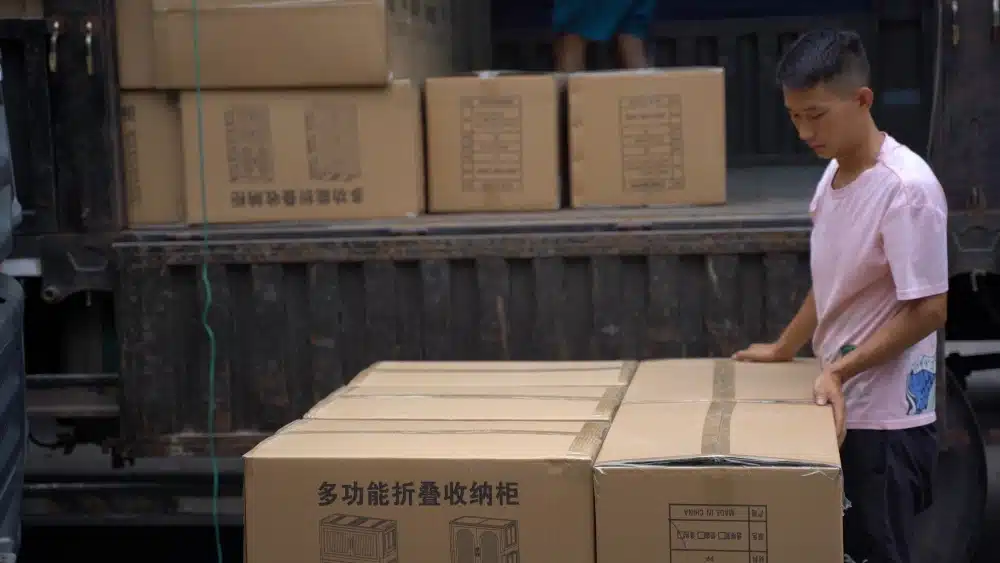
Plastic free shifts have a relatively small impact on day-to-day operations when scheduled- paper materials can be flat packed and automated.
| Operational Area | Plastic-Free Impact |
| Storage | Flat-pack efficiency, better space use |
| Packing speed | Slight adjustment for taping/cushioning |
| Damage rate | Requires testing and monitoring |
| Waste management | Easier recycling, less plastic disposal |
This can be simplified by a China 3PL: they will find suppliers of eco-friendly packaging, consolidate shipments to reduce packaging waste, optimize dimensions prior to export, and add plastic-free materials to fulfillment workflow, as this will create minimal systemic friction.
Role of Coordinated Fulfillment Planning
Upstream coordination is important in effective transition to prevent bottlenecks.
Supplier alignment guarantees consistency of material quality, pre-assembled eco-packaging, inventory reduction through consolidation and weight optimization through reduction of freight.
Cooperation with trusted suppliers deals with sourcing in China, compatibility testing, and scaling without interfering with filling the orders.
Transition Strategy: How to Move Away from Plastic Gradually
Full replacement is dangerous as it causes damage spikes and overruns. Variables are controlled by a phased approach.
| Transition Step | Purpose |
| SKU pilot | Risk control on select products |
| Packaging test | Damage reduction validation |
| Supplier review | Quality consistency assurance |
| Cost tracking | Financial balance monitoring |
Begin with low-risk groups (e.g. apparel in kraft mailers), track the rates of damage/remittance, collect customer feedback, audit suppliers with certifications and make corrections accordingly based on the data.
Common Mistakes in Plastic-Free Packaging
Though the portals of observation it is observed that certain pitfalls recurrently derail the attempts.
- Replacing without durability test — resulting in increased loss and returns.
- Using uncertified materials – exposing the company to greenwashing or low performance.
- Moisture danger disregarded — paper suffers in a damp shipment without protective measures.
- Cluttering packaging design – putting an unnecessary layer on to it to make it expensive and heavy.
- Applying fuzzy sustainability argumentation – undermining credibility where falsehoods are made.
Conclusion — Plastic-Free Packaging Requires Operational Alignment
The choice of materials has a direct impact on the logistics performance: recyclable corrugated is widely compatible; compostable can be used in a particular waste stream, but it will require certification.
Sustainability should be in tandem with durability untested changes increase costs of damage and offset environmental benefits.
Surprises are avoided through testing and coordination (supplier to fulfillment) allows transitioning.
Plastic-free packaging can be made genuinely sustainable when the choice of materials, construction of the structure, and delivery processes are correlated. When recyclable or compostable options are incorporated in the brands, through controlled experimentation and coordination of suppliers, the effect on the environment is less, yet operational efficiency is still maintained.