A 3PL warehouse is a third-party logistics center that is managed by an external supplier and can deal with storage, inventory management, order fulfillment, and shipping of businesses. As opposed to a simple storage facility, a 3PL warehouse is a full-fledged logistics facility which is fully integrated with eCommerce platforms.
Most companies expect a 3PL warehouse to offer storage services, yet in the real world, it handles all the fulfillment process including inventory, taking orders and shipping. This hybrid solution enables businesses to manage their sales and product development processes and leave complicated logistics tasks to professional experts.
What Is a 3PL Warehouse? (Simple Definition)
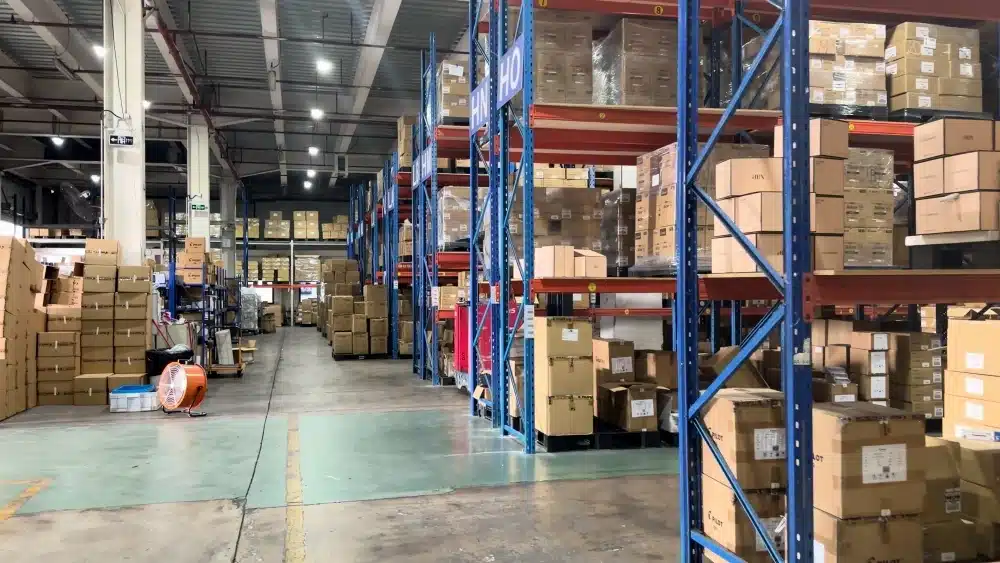
A warehouse that is operated by a 3PL is referred to as a Third-Party Logistics warehouse. It is a warehouse operated by a dedicated logistics firm which provides outsourced warehousing and fulfillment services to other companies.
To put it simply, by engaging a 3PL, you surrender the physical management of your products, i.e., the process of products received by the suppliers and delivered to your end-users. The model has become critical in the contemporary supply chains, particularly when it comes to fast expanding eCommerce operations.
Here is a definite breakdown:
| Element | Explanation |
| 3PL Provider | Third-party logistics company |
| Warehouse | Storage and operations center |
| Fulfillment | Order processing and shipping |
| Integration | Connection with eCommerce systems |
The principal distinction between traditional warehousing and a 3PL warehouse is that a 3PL warehouse is a combination of physical warehouse and alternative technology, real-time inventory visibility and end-to-end order fulfillment.
How Does a 3PL Warehouse Work?
A 3PL warehouse is a workflow that is defined by a well-articulated technology that is fast, accurate, and scalable. It starts with the delivery of goods and goes through to when the customer is finally delivered.
Third party logistics warehouse services are used by businesses as a way of streamlining such processes and managing inventory in a more efficient manner.
The workflow is usually composed of the following main steps:
| Step | Description |
| Receiving | Goods arrive from suppliers and are inspected |
| Storage | Products are organized and placed in optimal locations |
| Inventory Tracking | Stock levels are monitored in real time using WMS |
| Picking | Items are selected from shelves for customer orders |
| Packing | Orders are securely packed with proper labeling |
| Shipping | Packages are handed over to carriers for delivery |
A Warehouse Management System (WfMS) is used in this process to monitor all movements and make them visible in real-time to the 3PL provider and the business owner. It is this control and visibility that makes modern 3PL warehouses much more potent as compared to traditional storage solutions.
Key Services Provided by 3PL Warehouses
There is a lot more than mere storage in 3PL warehouses. They provide a complete range of logistics services that help in the entire order life cycle.
The main services would normally be:
- Inventory Storage — Climate controlled facility with efficient layout to access inventory quickly.
- Order Fulfillment – 24/7 customer order processing with next day or same-day choices.
- Pick and Pack — Proper item selection and professionally packaged depending on the product.
- Returns Management – Effective management of returns, inspection and restocking.
- System Integration – API and plugin integration with Shopify, Amazon, WooCommerce and other sites.
Value added services like kitting, bundling, custom packaging and labeling are also available in many providers to satisfy certain brand needs.
Benefits of Using a 3PL Warehouse
A 3PL warehouse provides quantifiable business benefits, which directly affect profitability and customer satisfaction.
The main advantages are the following:
| Benefit | Impact |
| Cost Savings | Reduced operational expenses and lower fixed costs |
| Scalability | Supports business growth without heavy capital investment |
| Faster Shipping | Improved delivery times through strategic warehouse locations |
| Efficiency | Streamlined logistics and reduced error rates |
Businesses can save money on constructing and operating their own warehouses and have access to advanced technology, professional grade equipment and professional staff.
3PL Warehouse vs Traditional Warehouse
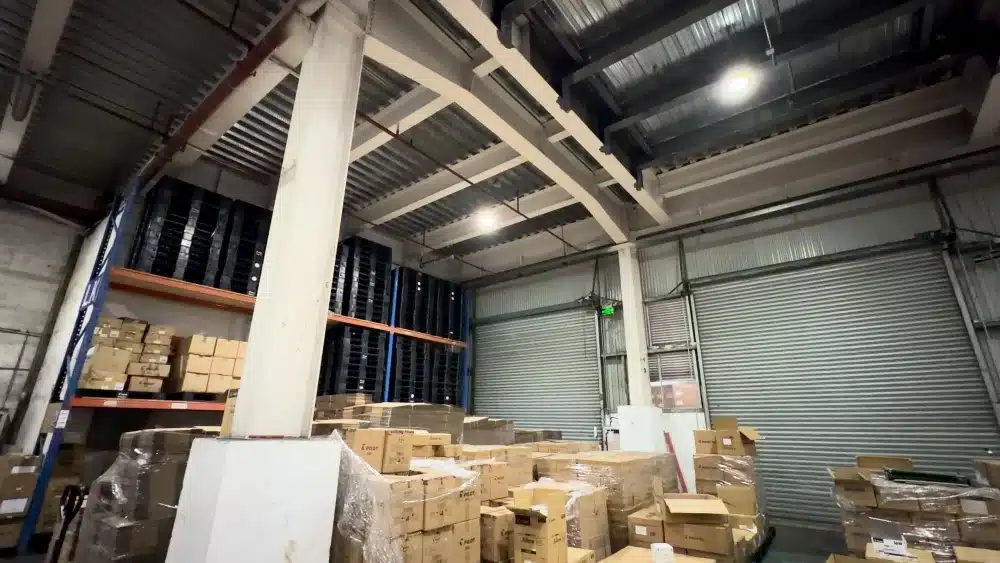
Knowing the difference assists businesses to make wise decisions regarding their logistics strategy.
| Aspect | 3PL Warehouse | Traditional Warehouse |
| Ownership | Third-party | Company-owned |
| Services | Full logistics (storage + fulfillment) | Storage-focused |
| Flexibility | High — easily scales up or down | Limited — tied to owned capacity |
| Integration | System-based with real-time visibility | Manual or limited |
The flexibility and expertise offered by a 3PL warehouse is what most developing companies require, whereas conventional warehouses can be very expensive to start up and manage.
Who Should Use a 3PL Warehouse?
A 3PL warehouse is especially useful to companies that are in a high-growth period or wish to streamline their logistics without committing resources to logistics.
It is an ideal solution for:
- Shopify, Tik Tok Shop or any other eCommerce sellers that require a trustful fulfillment.
- Amazon companies that are interested in enhancing FBA options or multi-channeling.
- SMEs expanding operations and do not wish to invest heavily on warehousing infrastructure.
- International or local sellers that need strategic warehouse location to enable quicker international or domestic deliveries.
- Dropshipping sellers that switch to higher-volume or private label.
When you are taking up too much time to control your inventory or have issues with shipping delays, making this game-changing decision with a professional 3PL vendor can be an option.
Common Misconceptions About 3PL Warehousing
In spite of its increasing popularity, there are a few misconceptions surrounding 3PL warehouses.
- Just large companies ❌ — A wide variety of small and medium businesses have been offered flexible plans by many 3PL providers today.
- Too costly ❌ — Proper calculations 3PL services can help lower the total logistics costs by increasing efficiency.
- Less control ❌ — Modern systems have real-time dashboards, which give business owners complete visibility and control.
- Only storage providers ❌ — Leading 3PL warehouses are full service in terms of fulfillment, returns and value add services.
Such out-dated perceptions may deny the businesses the opportunity to use solutions that can sustain growth.
Conclusion — 3PL Warehousing Enables Scalable Logistics
A 3PL warehouse is a very important logistic solution that allows companies to outsource logistics services of warehouses and fulfillment activities at high standards of efficiency and customer service. With professionalism, advanced technology, and strategic places, businesses are able to save money, increase delivery time and expand their business with confidence.
In the current business world of eCommerce, a trusted 3PL fulfillment partner is no longer a luxury, but a strategic benefit that assists in the long-term business development.