There is a slight change that can be observed in the dynamic environment of ecommerce: the trend is toward more Shopify sellers shifting their fulfillment operations to China, which promises efficiency in the operations that resolve significant pain points in scaling. The main factors behind this move include the drastic benefits associated with logistics expenses, increased speed due to automation and API connections, and the ability to be near manufacturing centers, which reduces delays and wastages. Focusing fulfillment in China also allows Shopify sellers to reduce expenses, expand more quickly, and run more efficiently, and where before it was a logistical nightmare, it has transformed into an advantage.
The Growing Trend Among Shopify Sellers
Shopify Sellers Are Scaling Faster Than in Previous Years
Shopify has become an ecosystem that is growing at an unprecedented pace with sellers citing an average annual growth rate in the high 20s over the past years due to tools which have made opening stores an easy task. However, as volume of orders increase, the local fulfillment system cannot keep up with the demand and most find the need to consider cross border fulfillment that can sustain such a high growth without commensurate adjustments.
Competition Increases the Need for Faster Fulfillment
As thousands of new stores use Shopify every month, competition only increases, particularly in such niches as fashion and electronics. Sellers that are unable to handle orders promptly may lose out on market share to competitors that provide faster turnaround and therefore Shopify fulfillment is a highly important differentiator in keeping customers and increasing conversions.
Why Delivery Expectations (2–7 Days) Push Sellers to Optimize Logistics
Customers have raised the demands to 2-7 days of delivery worldwide, which is a mark of the giants such as Amazon. To ensure that a brand of Shopify fulfills this without adding expenses, then optimization of logistics is required; the delays at the local warehouses are frequently caused by inadequate integration of the supply chain, which drives sellers to more effective centers of Shopify shipping prowess, such as those in China.
The Shift From Local Fulfillment to Cross-Border Fulfillment Hubs
In the past, sellers used to use the domestic warehouses due to the proximity, however, the increasing costs and demands in the global arena have initiated a shift to cross-border fulfillment. According to the industry reports, the number of Shopify sellers switching to overseas models, specifically China 3PL, has increased by 30 percent, to manage international orders much easier.
Why China Has Become the Preferred Fulfillment Base
Proximity to Suppliers and Manufacturing Hubs
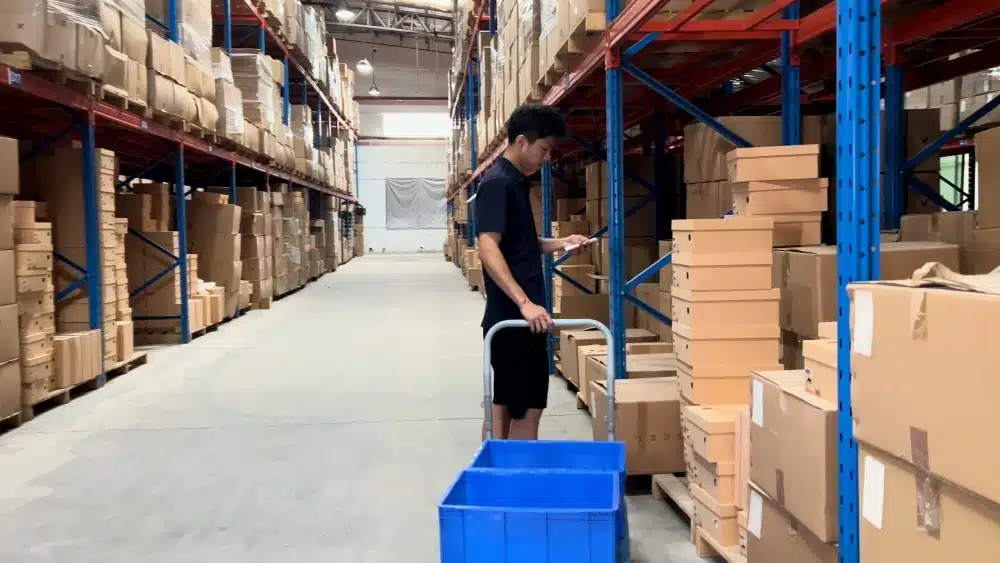
The fact that China is the manufacturing epicenter in the world implies that warehouses are just steps away to factories and lead times are no longer weeks but days. In the case of Shopify sellers who source their goods in this country, the expensive transoceanic transportation before warehouse is eliminated, facilitating the whole process of fulfilling the ecommerce order.
Lower Warehouse Storage and Labor Costs
All labor rates are 40-60 percent lower in China than in the U.S. or Europe, and storage costs can be low as little as less than $0.50 per cubic meters per month. With this price structure, small vendors can still keep larger inventories without stressing the budgets, which is a blessing to those who have to deal with seasonal changes.
Access to Advanced WMS and Automated Fulfillment
The current 3PL services of China are built with advanced Warehouse Management Systems (WMS) that facilitate the process of inventory tracking and route orders automatically. This is a technology advantage that provides greater accuracy and efficiency, preventing Shopify brands from falling into the traps of stockouts in times of order bursts.
Centralized Operations Reducing Unnecessary Transfers
The centralization in China has allowed the sellers to eliminate the middlemen processes, including transferring goods to regional centers and then distributing the goods. This streamlining of logistics reduces the chances of obtaining damage or delays and increases the reliability of 3PL fulfillment in their entirety.
Better Packaging, Prep, and QC Services Near Factories
This allows on-site quality control (QC) and prep services, with products being checked, packaged, or tailored immediately after being manufactured. This integration saves on mistakes that are characteristic of long distance fulfilment whereby goods come in excellent shape and enhances customer satisfaction.
Cost Advantages for Shopify Sellers
Lower Storage Cost vs U.S., U.K., EU Warehouses
The storage in China can be half of the price of the Western ones, with other versatile conditions, such as free initial periods. In the case of a mid-size Shopify store with 1000 SKUs, this would save a minimum of thousands of dollars a year, allowing the capital to be used in marketing or product development.
Pay-As-You-Go Pick & Pack Reduces Fixed Expenses
In contrast to fixed in house models, the pay-per-order model used by China 3PL, which is usually $1-3 per pick and pack, is volume-scaling, which means that during downturns, the idle costs are eliminated, and the logistics costs are driven down by companies with more variable demand.
Reduced Shipping Cost Through Consolidation
Shipment consolidation can be used to negotiate bulk rates with shipping companies in China and reduce per package expenses by 20-30 percent. This is best suited to sellers who make multiple deliveries to various locations, since in this way, they reduce the costs incurred in cross-border logistics in Shopify.
Less Overhead (No Warehouse Rent, No Staff, No Equipment)
When outsourced to China, the cost of renting space, staffing, or purchasing equipment can be eliminated since it may take up 15-20 per cent of the income of a small seller. Rather, emphasis is made on core operation and the 3PL takes care of the operation burden effectively.
How Upstream Warehousing Eliminates Double Shipping
Holding inventory close to suppliers would eliminate unnecessary transports as the company would not have to ship its products to the U.S. and then to other parts of the world, which would save on duties and fuel. This is especially useful to Shopify order fulfillment solutions, which are aimed at international markets.
Faster Scaling Through Automation
API Integration: Shopify Orders Auto-Sync Instantly
Uninterrupted API connectivity will ensure that a Shopify order is automatically updated to the warehouses in China in real time, which will complete the fulfillment process automatically. This inventory syncing on Shopify eliminates any delays and the seller is in a position to deal with spikes without any problem.
Real-Time Inventory Visibility Prevents Overselling
High-tech WMS offers dynamic stock availability in all channels and minimizes the risk of oversell leading to refunds and negative feedback. The sellers become confident about delivering correct availability, which is one of the determinants of scaling trust with the buyers.
Automated Shipping Rule Engines
These systems utilize carrier selection rules that are custom such as destination-based routing or weight-based routing, which are optimized based on cost and speed. To international sellers, this automation improves the efficiency of shipping processes in Shopify, which can be adjusted to meet different requirements without being actively monitored.
Smart WMS + Barcode Scanning Improves Accuracy
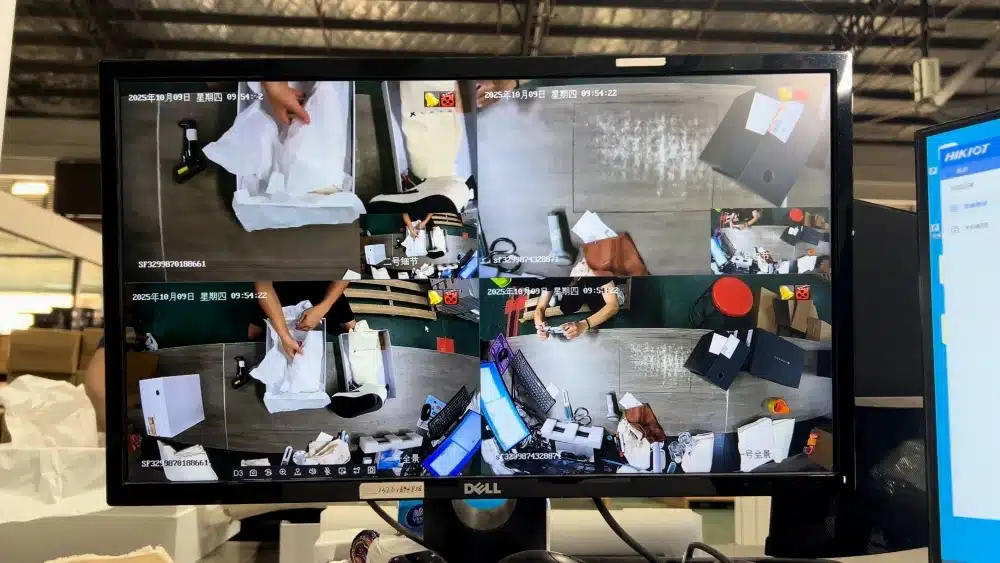
Barcode technology in WMS reduces the number of picking errors to less than 1 percent, which is much less than the error rates in a manual process. Such precision facilitates increased volumes as orders are shipped properly and at the right time.
Case Example: Shopify Brand Scaling From 20 → 300 Orders/Day
One of its clients is a beauty brand on Shopify that initially received 20 orders per day locally, but experienced bottlenecks when it was doing promotions. They switched to a China 3PL that is API-enabled and cut fulfillment time by 40 percent and increased revenue without additional employees.
Global Shipping Efficiency Built for Shopify Brands
Express Channels for U.S., Canada, U.K., Australia
China has special express lanes that guarantee 3-7 days delivery to the main markets competing with domestic speeds with partnering carriers such as DHL or FedEx.
Postal Channels for Cost-Saving
When the packages are lighter, postal services such as ePacket provide cheap Worldwide express services in China, which is suitable to sellers who want to keep the margins on low-value products.
DDP Air & Sea Freight for Large-Volume Sellers
The service method known as Delivered Duty Paid (DDP) involves the management of customs between bulk deliveries. This is applied to scale across oceans at a low cost by high-volume Shopify brands.
Why Shipping From China Can Be Faster Than Domestic Services
Ironically, optimized shipment and volume advantage benefit leaves shipments of China origin faster over certain international routes, particularly with integrations of last-mile delivery that avoid the local hubs jammed with traffic.
Tracking Integration With Shopify → Better Customer Experience
Complete tracking linked to Shopify dashboards mean that buyers are updated and there is less inquiry and more trust, which is essential in build-to-buy business in competitive ecommerce.
Operational Benefits Beyond Cost Savings
FBA Prep Near Factories Reduces Errors and Back-and-Forth
When working with hybrid sellers based on Amazon in China, the preparation of the country reduces transportation mistakes, making the selection of compliant FBA replenishment free of expensive corrections.
Better Product Inspection Before Shipping
On-site QC identifies defects early in the process which reduces the return rates that may reach 10-15% in loosely controlled chains and saves the brand image.
Easier Handling of Returns and Exchanges
The simplified reverse logistics in China are enhanced by the faster processing of reverse logistics, and the minimal downtimes of popular SKUs are achieved through faster restocking.
Faster SKU Onboarding and Packaging Updates
There are quick integrations of new products with the local expertise and enable the responsiveness of trends without protracted setups.
Value-Added Services (Bundling, Inserts, Kitting)
China 3PLs provide a few additional services such as kitting or custom inserts that allow personal touches of Shopify brands in competitive markets.
Who Should Move Fulfillment to China?
Shopify DTC Brands Manufacturing in China
The direct-to-consumer sellers that have already the sellers sourcing here would do best, since it gives fulfillment a direct correlation with production, which is end to end efficient.
Brands Operating a Hybrid Model (China + Regional Hubs)
China warehouses that combine with local warehouses to deliver domestically in the shortest time possible can maximize the cost and address the global demands.
Sellers Shipping Globally Rather Than Just Domestically
The brands that are internationally oriented enjoy the export infrastructure of China and therefore cross-border fulfillment is more feasible.
Sellers Wanting to Cut Overhead and Improve Fulfillment Speed
This shift should be taken into consideration by the cost-sensitive operations that aim to shift the resources away on logistics toward growth.
High-Volume Sellers Requiring Automation
Once over 100 orders are placed a day, automation in China 3PL will be necessary in order to sustain SLAs without commensurate cost growth.
Challenges & How to Avoid Them
Finding Reliable China 3PL Partners
Reference checks and audits will guarantee good reliability of the providers; find those that have a good track record on ecommerce fulfillment to prevent the provision of poor services.
Ensuring Strong API/Platform Integration
Test integrations and get them running completely before rolling out in order to avoid syncing problems; select partners that have well-developed Shopify compatible APIs.
Managing Delivery Times by Region
Predict local needs and apply mixed shipping techniques to strike a balance between speed and cost to reduce longer journeys to remote markets.
Inventory Forecasting for Peak Seasons
Use the forecasting tools based on data to prevent stockouts during the holidays; reviewing them frequently will help to adapt to the trends.
Maintaining Consistent Product Quality at Scale
Enforce QC and supplier audits to maintain standards with increasing volumes so as to avoid instances of quality declines that destroy trust.
Conclusion: China Fulfillment Is Becoming a Strategic Advantage for Shopify Sellers
To Shopify sellers, drastic reduction on cost of logistics, rapid scaling through automation, and high efficiency through proximity and technology become accessible when the fulfillment is moved to China. It is not a short term trend but a long term strategic move where the global trends in e-commerce are in support of integrated supply chains that are responsive to unstable demands. As a supply chain consultant, I have seen this turnaround make strained processes into lean powerhouses. It is easy to begin by comparing your existing spending and possible savings, perform a test run with a limited inventory quantity, check the SLAs to check the speed and accuracy guarantees, and choose a China 3PL that has great API functionality those measures have the potential to transform the course of your business.