In the contemporary dynamic e-commerce environment, API integration is the key to success in the case of Amazon sellers who want to enhance efficiency. At BM Supply chain, we are a top-ranking supply chain firm in China and we provide our service in sourcing and inspection of products, warehousing, drop shipping, fulfillment of orders, and Amazon logistics. We have a combination of resources which consist of factories to end customers through which we offer customized solutions – be it sourcing of raw materials or finished products. We have warehousing of up to 30 day free storage, state-of-the-art systems, and ecommerce fulfillment integrations with free API docking to ensure smooth shipping and single stop tracking to simplify cash flow and help you concentrate in growing. We also do other value added activities such as assembly, custom packaging, labeling and inserts.
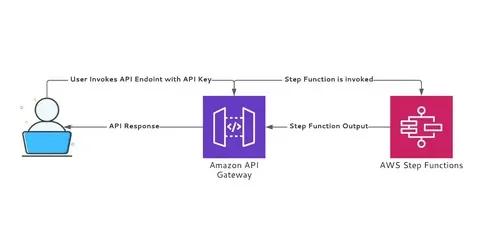
Using API integration, your systems are directly linked with those of Amazon automating data flow and reducing manual labour. This accelerates the fulfillment process since real time updates are made possible which eliminates delays that would take hours to be made in seconds. Otherwise, you will be left with tedious CSV uploads or typing, which will introduce errors and bottlenecks.
In the near future, as Amazon increases the cost of its SP-API to $1,400 per year with usage charges imposed on developers, integration will be a necessity to competitive sellers. It changes the processes, including order synchronization to inventory control, and it assists you to deliver faster and keep statistics, such as on-time delivery.
Why API Integration Speeds Up Fulfillment
API integration refers to real-time communication between systems automatically (Your warehouse software communicating with Amazon Seller Central). It launches the manual processes that are cumbersome with smooth data transfer, taking orders, inventory and tracking without the human touch.
This increases the speed of fulfillment by matching the data in real-time: An order reaches your warehouse system a few seconds after it has been placed and can be picked within days. Manual methods? You are downloading CSVs, uploading somewhere, adding some hours or days, putting in jeopardy mistakes and delays.
Why manual slows you? It causes bottlenecks during high-volume situations that result in stockouts or late deliveries. This is fixed by API so that the accuracy and responsiveness is enhanced to make the customers happier.
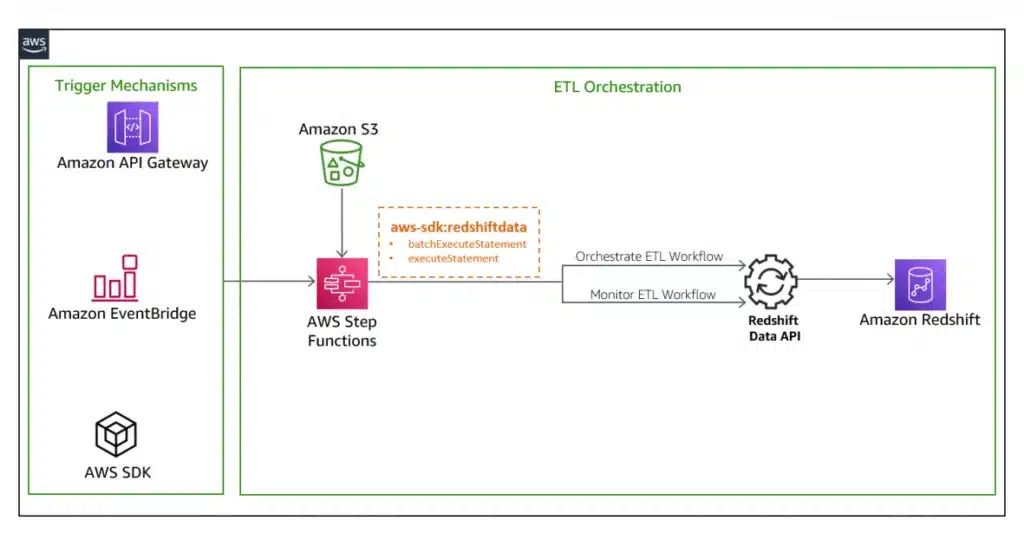
Key benefits summary:
- Real time order sync: Orders are received in warehouse immediately.
- Up-to-date inventory sync: Eliminates overselling and keeps stock data aligned across sales channels and warehouse systems.
- Quick pick/pack: Instructions are automated to expedite work processes.
- Auto tracking uploads: Rapid updates of customers.
- Less human error:Less mis-ships, higher metrics.
- Quick replenishment to the Amazon FBA: Auto-notifications about low inventory.
What Is API Integration for Amazon Sellers?

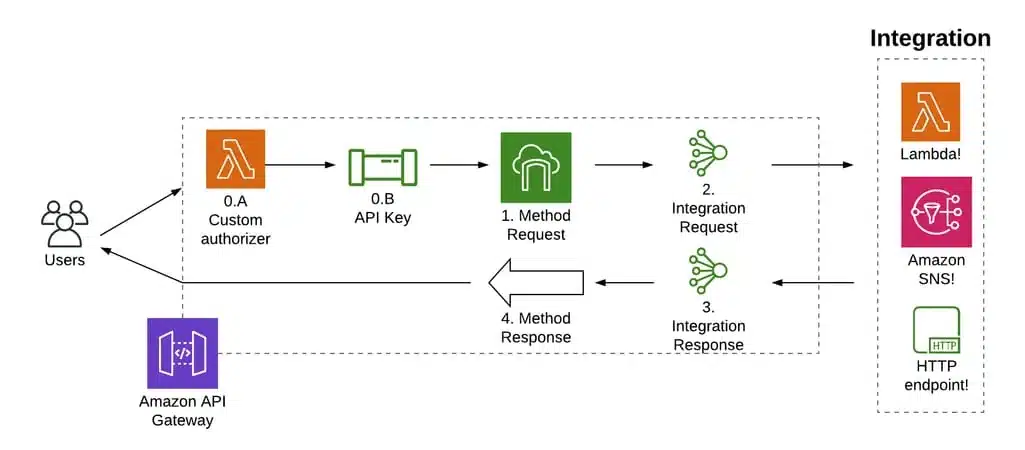
Application Programming Interface API is a bridge around which software and software communicate with each other. To Amazon sellers, it bridges Seller Central with your 3PL warehouse management system (WMS), ERP or even across the multi-channel.
It operates by contacting/pushing information in real-time: The order details sent by Seller Central APIs are received and confirmed by your system, indicating that the shipment is made, and the tracking is updated. Learn how real-time tracking and API integration can improve fulfillment visibility without repeated logins or manual file exports.
Background: Connections are authenticated by secure tokens, and there are order, inventory, shipment endpoints. The standard used by Amazon is SP-API, which operates such feeds as orders and reports.
Example: API receives an order at Amazon; then API sends to our WMS at BM Supply Chain. Pick, pack, ship–auto-uploads track. What took 30 minutes manually? Now seconds.
Benefit 1: Real-Time Order Syncing
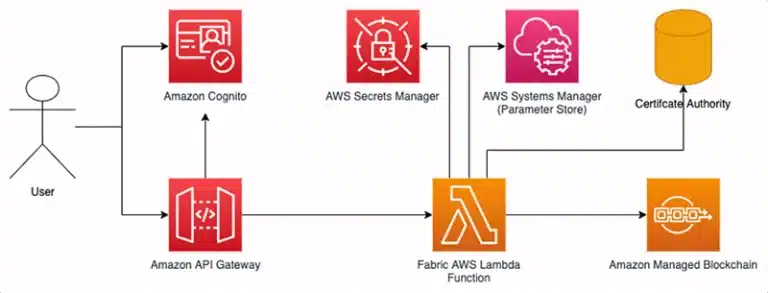
The most important feature of API is the real-time order syncing. Seller Central orders are immediately relayed to your fulfillment system and warehouses can begin processing immediately.
This reduces handling time–goal less than 2 hours order to pick. No batches waiting to get uploaded; it is all live.
Removes the delays in entry of data, and assists in keeping Amazon 1-2 day shipping promises. In the case of FBM sellers, it is important to metrics.
Case example: One of the sellers of beauty products with whom we collaborated in BM Supply Chain used APIs, which resulted in order sync decreasing by 4 hours to 5 minutes and increased the on-time rate by 92 percent to 99 percent.
Benefit 2: Faster Picking & Packing Workflows
The API allows warehouses to receive order information earlier with SKUs, quantities and instructions- allowing optimum pick paths.
Pickers work with mobile applications connected through API and scanning on the go to be fast. No paper lists or system lags. This is one way 3PL automation improves order accuracy while keeping fulfillment workflows moving quickly.
Reduced number of bottlenecks: Multiple-item orders are created quicker using real-time information. In the case of large volumes, it saves minutes per order, which accumulates.
At our China operations, API-based processes imply same-day packaging of 95 percent of the orders – which is important to enhance the faster fulfillment.
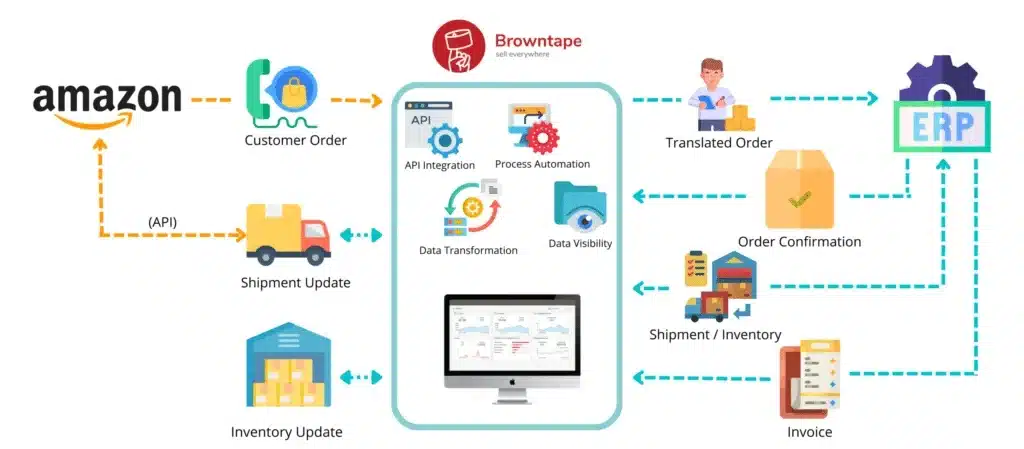
Benefit 3: Automated Inventory Updates
Stock is kept in sync API Sales real-time inventory deduction on Seller Central and in your WMS.
Avoids overselling – no longer promising out of stock products. Auto-adjusts listings to prevent a stockout also.
Increases Buy Box opportunities of precise availability. In the case of FBA, it simplifies the process of replenishment planning, and it accuracy forecasts requirements.
Pro tip: Combine with demand tools; sellers have reduced overstock by 25% releasing capital.
Benefit 4: Instant Tracking Number Uploads
When shipped, API sends tracking to Seller Central automatically- no need to enter it manually.
Real time updates are provided to the customers and this minimises where is my order. inquiries. Enhances such measures as Late Shipment Rate.
In the case of international, such as China to U.S. real-time tracking generates trust. It has reduced complaints which translates to improved Order Defect Rate.
BM Supply Chain our API uploads trackings within seconds–clients say support tickets reduced by 40%.
Benefit 5: Automated FBA Replenishment Workflows
Automated low-stock alerts help sellers plan FBA shipments on time and avoid vacant shelves. Use this automation as part of a broader process to replenish inventory to Amazon FBA from China effectively.
Relates to forecasting in order to reformulate replenishment. The Carton prep is accelerated by synced information.
Threshold alerts: “Restock 500 units”- quick action should be taken. Faster to FBA implies fewer downtimes.
For our clients, this reduces replenishment periods to weeks and preserves sales momentum. Automated visibility also helps sellers prevent Amazon stockouts with a China warehouse by enabling earlier replenishment decisions.
Benefit 6: Fewer Human Errors = Faster Fulfillment
Entry by human beings encourages errors -such as erroneous SKUs or addresses. API is automated, reducing errors.
Proper shipping labels, proper picks- less returns. Mis-ships fall, making processes generally faster.
During peak seasons, this is dependable. Through integration, we have assisted sellers in minimizing error rates by 80% as well.
Benefit 7: Seamless Multi-Channel Fulfillment
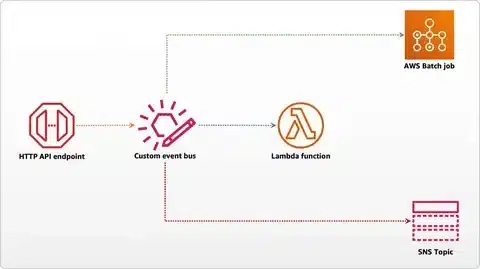
API integration can connect Amazon, Shopify, eBay, and other sales channels in one centralized workflow. This supports scalable multi-channel ecommerce fulfillment without forcing teams to switch between disconnected applications.
Bunches the orders to be picked efficiently. Multi-channel sellers work faster without the need to change applications.
In the case of global such as in our China operation it crosses boundaries. Customers increase the channels without deceleration.
Why China Fulfillment Centers Use API to Speed Up Shipping
BM Supply Chain is one of the Chinese 3PLs using APIs to do lightning ops. Quicker syncing implies the same-day pick/pack after receiving an order.
FBA/FBM becomes easier with Amazon 3PL integration, including automated FBA shipment plans and label generation. Before dispatching replenishment inventory, sellers should also follow the complete process to prepare inventory for Amazon FBA.
Supplier consolidation- API amalgamates effortlessly. Reduced prices and effective processes.
Live tracking + storage: Free 30 days storage is combined with time-to-optimal alerts.
Scenario: Electronics seller uses our API–replenishment notices reduce FBA stockouts by half, accelerating delivery.
Common Problems Without API Integration
- Poor order processing speed: Manual downloads slow – Integrate in real time.
- Shipped wrong SKUs: Entry errors– API makes sure.
- Seller Central not updated: Stock mismatches- auto-sync corrections.
- Slow tracking: API immediate–Manual uploads.
- Overselling: Expired stock–real-time averts.
- Misalignment supplier-warehouse: Sluggish restocks- API bridges.
- Delays in shipping: Delays get ready-made.
- High complaints: Time wastes/problems API decreases.
Pro tips: Break even, integrations–test with dashboards.
How to Connect API Integration to Your Amazon Business
- Select an API-enabled 3PL: Check platform compatibility, warehouse-system capability, order-sync reliability, and operational experience. Use these criteria to choose the right FBA prep service provider in China.
- Request credentials: Obtain Amazon MWS/SP-API credentials.
- Map SKUs/data: Map between systems.
- Test samples: Make test orders, check sync.
- Activate automation: Activate week one monitoring.
- Keep track of health: Downtime alert.
Sample: Implement our WMS–map once, and have flow.
FAQs
Is API integration essential to every seller at Amazon?
Scaling ones do, not all, but scaling ones.
What is the effect of API on improving fulfillment?
Automates data, cuts errors.
Does API help with FBA and FBM?
Yes–orders FBA, replenishment FBM.
Is API linked to China warehouses?
Definitely, such as our China 3PL API.
Does it cost a lot to integrate API?
First-time set-up, however, payable 2026 Long-term.
What systems are Amazon integrating with?
WMS, ERP NetSuite.
Conclusion
API integration speeds up Amazon fulfillment by automating syncs, updates, and workflows while reducing delays and errors. In 2026, metrics such as on-time shipping and Buy Box performance remain critical. Automated operations are central to the future of Amazon fulfillment automation, helping sellers replace manual processes with scalable, connected workflows. Work with an API-enabled 3PL such as BM Supply Chain to implement integration smoothly and grow with confidence.
1 thought on “How API Integration Improves Amazon Fulfillment Speed”
Pingback: Why Private Label Sellers Need a China Fulfillment Partner