Blog

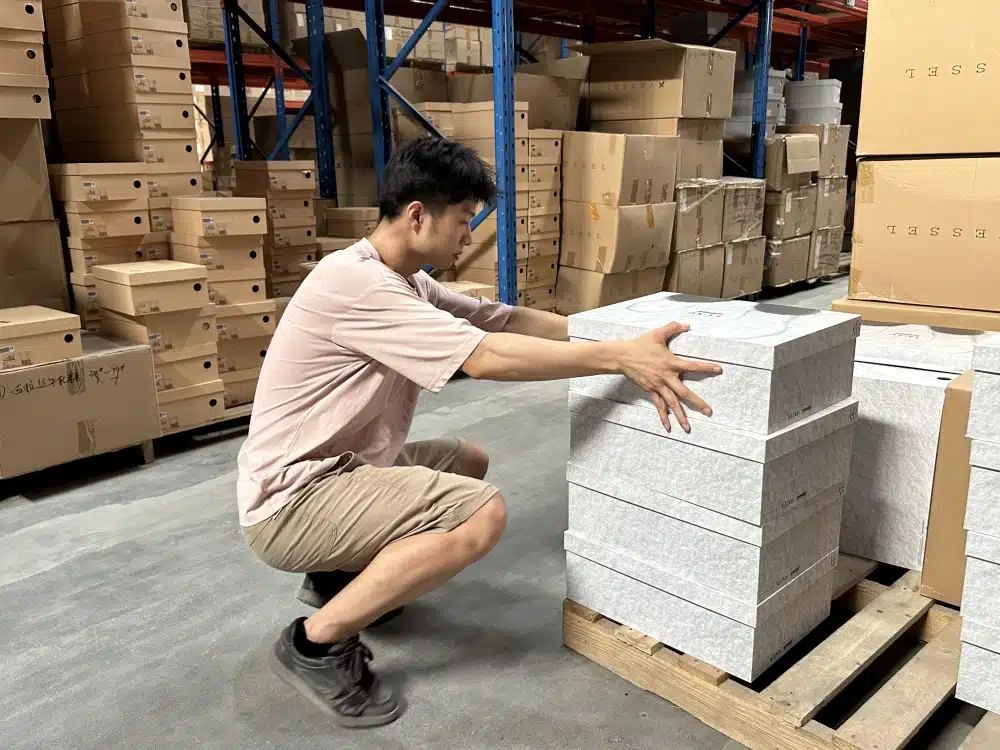
Warehouse worker checking a shoebox beside stacked inventory during WooCommerce order fulfillment preparation
Blog

How to Connect WooCommerce to China Fulfillment Center (Step-by-Step)

Connecting WooCommerce to a China fulfillment center requires more than installing a plugin. This step-by-step guide explains how orders, inventory, and shipping data are synchronized between WooCommerce and a China 3PL, helping sellers build a stable fulfillment workflow that scales without manual intervention or data errors.
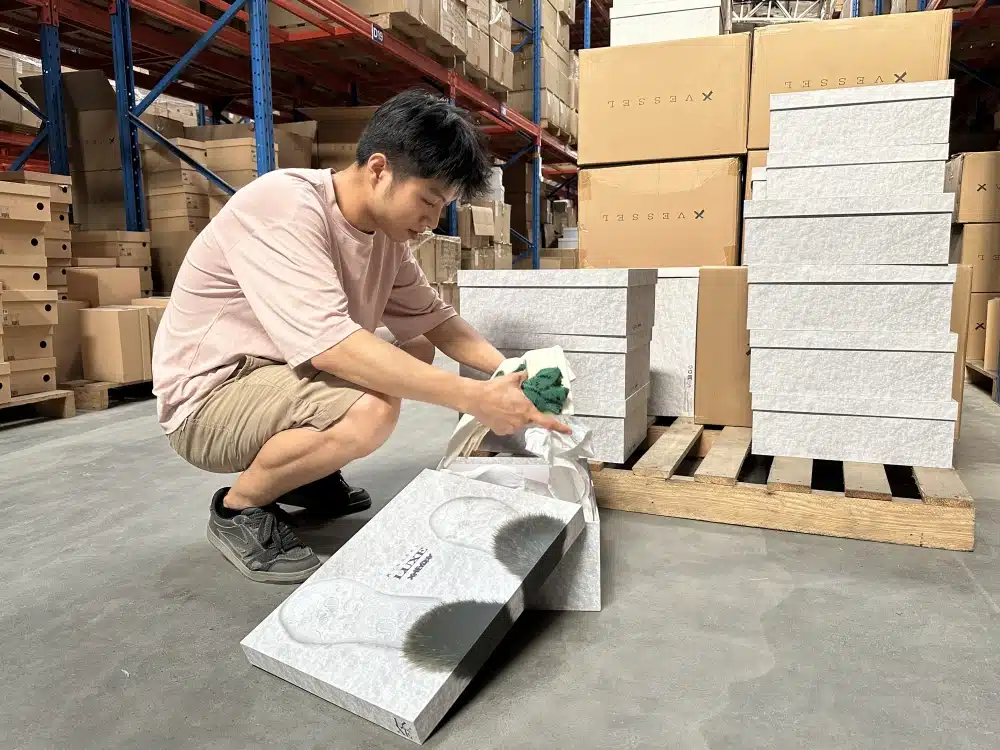
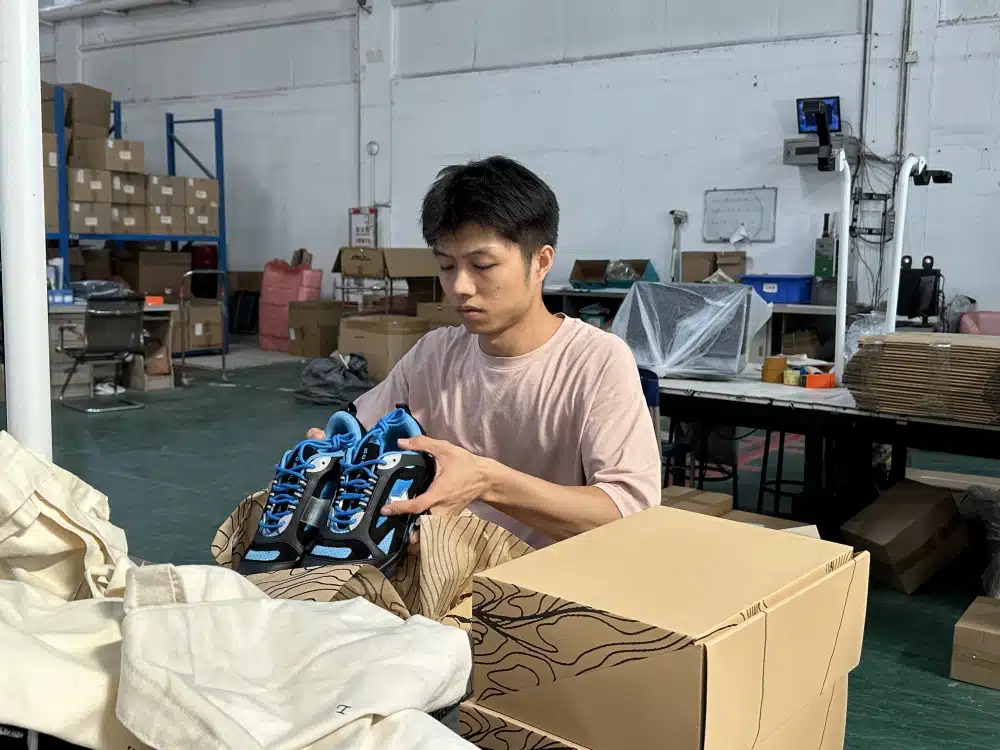
Warehouse worker examining footwear and tissue packaging in an open shoebox beside palletized inventory
Blog

Hidden Costs in Ecommerce Fulfillment (That 3PLs Don’t Tell You)

Ecommerce fulfillment costs often exceed initial estimates, not because of pricing changes, but due to hidden operational fees that surface as order volume and complexity grow. This guide explains the most common hidden costs in ecommerce fulfillment and how they affect total monthly expenses, helping brands avoid surprises and plan fulfillment budgets more accurately.

Warehouse worker scanning barcodes on stacked shoeboxes during inventory verification in China
Blog

Real Cost Example: Fulfilling 1,000 Orders/Month from China vs USA

What does it actually cost to fulfill 1,000 orders per month? This real-world example compares China-based fulfillment and US-based fulfillment using the same assumptions, breaking down storage, picking, packing, and shipping costs to show how total monthly expenses differ and why those differences matter for scaling ecommerce brands.

Warehouse worker arranging boxed products on a wooden pallet in a China 3PL storage area
Blog

China 3PL Pricing Calculator: Storage + Picking + Shipping Breakdown

China 3PL pricing is often misunderstood because costs are split across storage, picking, packing, and shipping. This guide explains how each component is calculated and how they scale together, providing a practical framework to estimate monthly fulfillment costs and avoid unexpected charges as order volume grows.

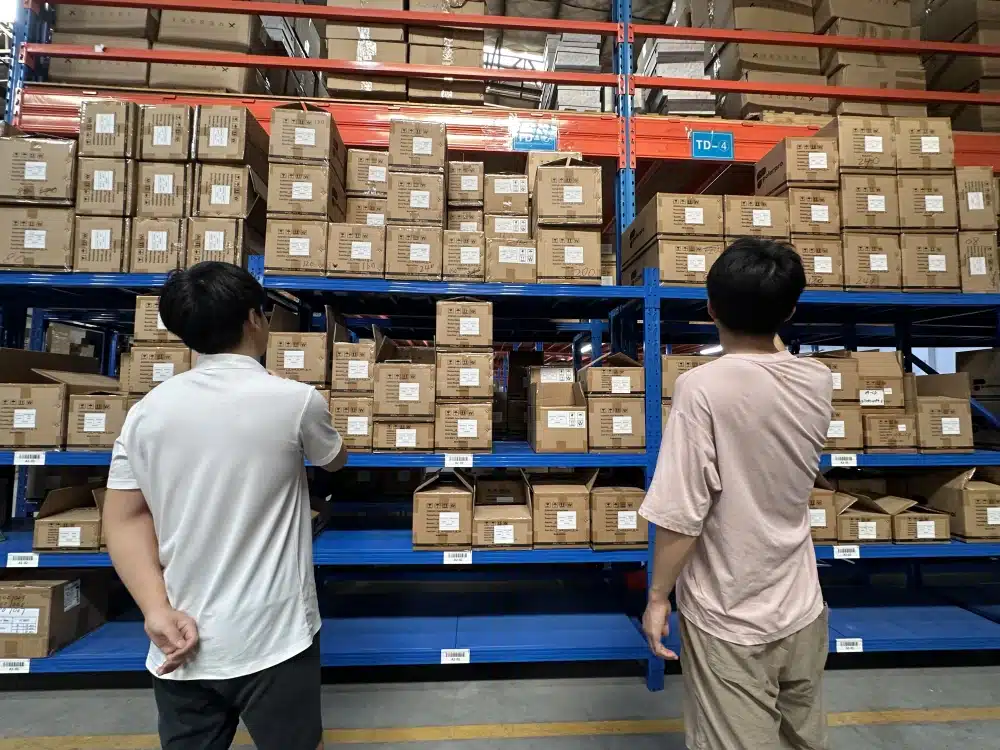
Two warehouse workers reviewing labeled inventory cartons on blue storage shelves in China
Blog

Where Does Temu Ship From? Full Logistics Breakdown

Temu’s ultra-low pricing raises a common question: where do Temu orders actually ship from? This article breaks down Temu’s logistics system, explaining how China-based fulfillment, cross-border consolidation, and last-mile delivery work together to support global ecommerce at scale.

Blog

TikTok Shop vs Amazon FBA: Which Fulfillment Model Works Better?

TikTok Shop and Amazon FBA rely on very different fulfillment models to drive seller performance and customer satisfaction. This guide compares how each platform structures fulfillment, evaluates delivery performance, and impacts cost and control, helping sellers determine which fulfillment model works better for their business goals in 2026.

Blog

How to Fulfill TikTok Shop Orders from China in 2026

TikTok Shop growth creates unique fulfillment challenges, especially when orders ship from China. This guide explains how to fulfill TikTok Shop orders from China in 2026, covering fulfillment models, shipping timelines, platform requirements, and cost-control strategies for sellers managing fast-changing demand.

Blog

Red Stag Fulfillment Alternatives for Heavy Products

Red Stag Fulfillment is often recommended for heavy products, but many ecommerce brands face rising costs as order volume increases. This guide explores why heavy-item fulfillment becomes expensive, where Red Stag’s model works well, and which alternative fulfillment options can improve cost efficiency and scalability for heavy and bulky products.

Worker checking footwear inside an open shoebox at a China fulfillment center, illustrating product handling in ecommerce fulfillment.
Blog

Flexport vs China Fulfillment Centers: Cost Comparison 2026

Flexport and China fulfillment centers serve different roles in the supply chain, yet many brands compare them directly when evaluating fulfillment costs. This guide breaks down storage, handling, shipping, and operational expenses in 2026 to clarify when Flexport’s logistics model makes sense — and when China-based fulfillment centers offer stronger cost efficiency.

Blog

Why You Should Stop Using Amazon FBA (And What to Use Instead)

Amazon FBA is effective for early-stage sellers, but many growing brands discover structural limitations as fees rise and flexibility declines. This guide explains when Amazon FBA stops making sense, the risks sellers overlook, and which fulfillment models offer better cost control, scalability, and channel independence.

Scroll to Top

GET A QUOTE