Blog

Cardboard box labeled “Import Duty” symbolizing import taxes and customs tariffs on goods shipped from China, used in a 2025 duty optimization guide.
Blog

How to Reduce Import Duties from China: Practical Strategies for 2025

Importing from China can be profitable — but high duties and tariffs often cut into margins. In 2025, rising trade complexity makes tax optimization more critical than ever.
This article walks you through practical, legal ways to reduce import duties — from correct HS classification to leveraging bonded zones and trade agreements — so you can save costs while staying fully compliant.

Blog

Top Third Party Logistics Companies: The Definitive Guide to Industry Leaders

It explains how these logistics giants offer end-to-end services—ranging from warehousing, transportation, fulfillment, and inventory management to cross-border shipping and technology-driven visibility. The guide compares key players such as DHL Supply Chain, UPS Supply Chain Solutions, XPO Logistics, Kuehne + Nagel, and DB Schenker, emphasizing their strengths in different regions and industries. It concludes by advising businesses to choose a 3PL partner based on service coverage, technology integration, cost efficiency, and industry expertise to ensure long-term supply chain success.

A protest sign reading "TAX AMAZON" in front of Amazon's headquarters, symbolizing the importance of duty optimization for Amazon sellers to reduce import costs in 2025.
Blog

How Amazon Sellers Can Cut Costs with Smart Duty Optimization

Rising tariffs and logistics costs are squeezing Amazon sellers’ margins in 2025. But there’s good news — with smart duty optimization, sellers can legally reduce import taxes, improve cash flow, and stay competitive. This article explains how HS code reviews, bonded warehouse strategies, and compliance-based valuation can help you save thousands every quarter.

Alibaba Group vs Amazon logo image illustrating rivalry between the two leading e-commerce platforms.
Blog

Amazon vs Alibaba: The Ultimate Guide for E-commerce Sellers

To effectively navigate both Amazon and Alibaba, it is important to understand each of their distinct business models, make use of the unique advantages of each platform, and put in place comprehensive seller plans that combine low-cost sourcing with effective SEO and efficient access to the market search results. to ultimately generate sustainable competitive advantages in the constantly changing environment of e-commerce.

Blog

Temu vs AliExpress: Which Platform is Right for Your Business?

Temu and AliExpress both connect global buyers with affordable products from mainly Chinese suppliers, but they differ in focus and suitability for businesses. AliExpress is a long-established B2C and small wholesale platform under Alibaba, offering a huge product range, flexible order quantities, and international seller options, making it ideal for dropshipping and small to medium businesses. Temu, backed by Pinduoduo, is newer and emphasizes ultra-low consumer prices, fast shipping to the U.S. and select regions, and heavy marketing promotions, which makes it more attractive for direct shoppers than for resellers. For businesses, AliExpress generally provides broader supplier choice, better scalability, and integration with e-commerce tools, while Temu is more suited for bargain-hunting end customers rather than long-term sourcing.

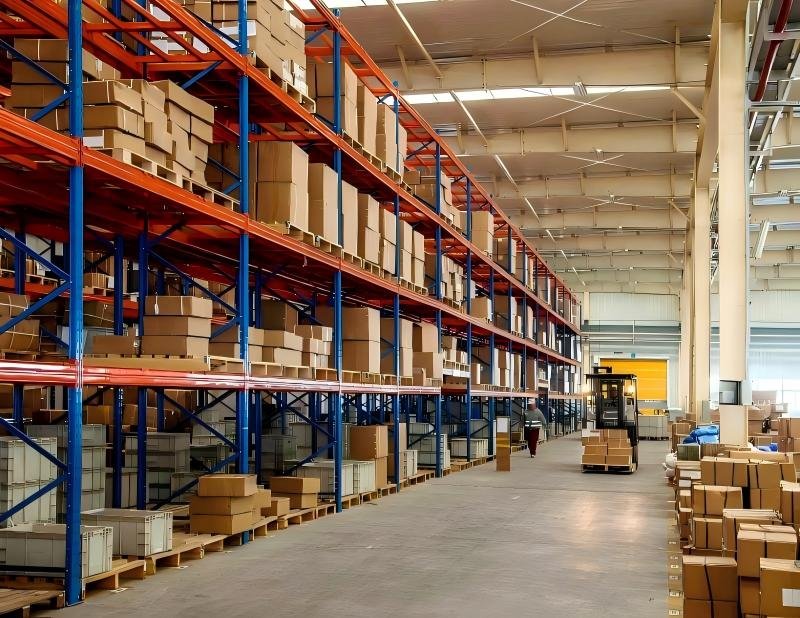
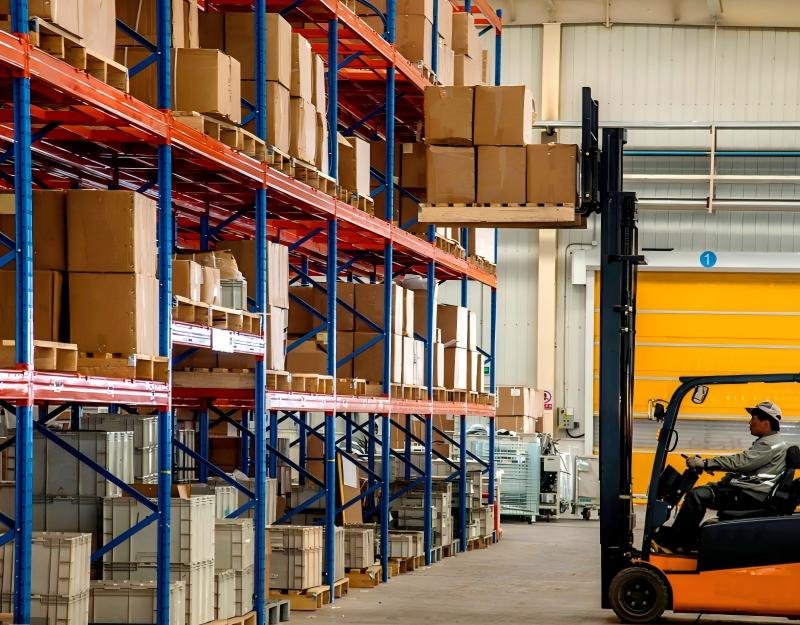
Distribution center warehouse with stacked pallets and forklift in operation.
Blog

Fulfillment Center vs. Warehouse: Understanding the Key Differences

A warehouse is mainly used for long-term storage, keeping goods safe until they are needed for bulk distribution, often in B2B supply chains. In contrast, a fulfillment center is designed for fast, daily order processing, handling tasks like picking, packing, shipping, and returns, making it crucial for e-commerce and direct-to-consumer brands. While warehouses focus on efficiency in storing large volumes, fulfillment centers prioritize speed and customer experience. Many businesses strategically use both—warehouses for cost-effective storage and fulfillment centers for agile, real-time delivery.

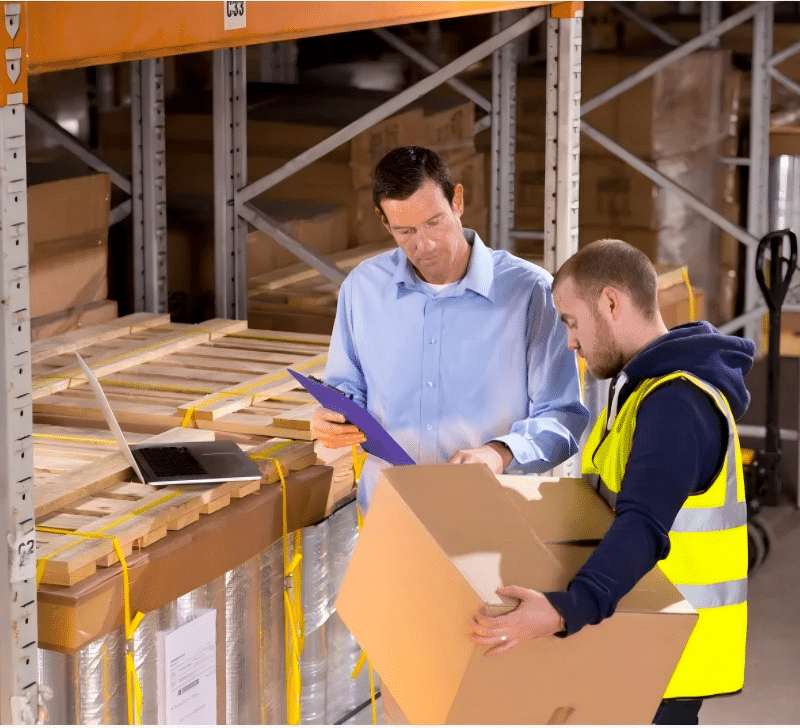
Warehouse staff processing and preparing DTC fulfillment orders for shipping.
Blog

What Is DTC Fulfillment? Complete Guide to Direct-to-Consumer Logistics

DTC fulfillment refers to a fast-growing sales concept, in which brands are sold directly to end users, without using traditional retail middlemen. The model has shifted the idea of merely having the customer relationships to an overall overhaul of operations including inventory management, last-mile delivery, and customer experience. DTC is a big market opportunity with 86% of manufacturers and retailers claiming that DTC takes up to half of the revenue, and with the sales expected to be up to 212.9 billion dollars this year. Nevertheless, modern fulfillment solutions, integrated technology platforms, and strategic inventory management, order management and sustainable logistics are needed to succeed in the face of the specific complexities of the direct-to-consumer operations.

Scroll to Top

GET A QUOTE