Pick and pack and 3PL are all fulfillment operations, but the two vary in terms of scope and responsibility. Pick and pack is a process that specifically denotes the process of selecting and placing products to be shipped. By comparison, 3PL (third-party logistics) companies are able to provide a wider scope of services encompassing warehousing, inventory control, shipping, and occasionally even returns processing.
It is believed by many businesses that these two models are interchangeable. In fact, pick and pack is a part of the fulfillment, but 3PL is an outsourced logistics service in its entirety.
Pick and pack refers to a special purpose of the fulfillment process, whereas 3PL refers to a wider logistics tool that takes into consideration several spheres of the supply chain. This understanding of the difference will inform eCommerce sellers, merchants with Shopify and Amazon, and management of the operations managers, making decisions as their businesses expand.
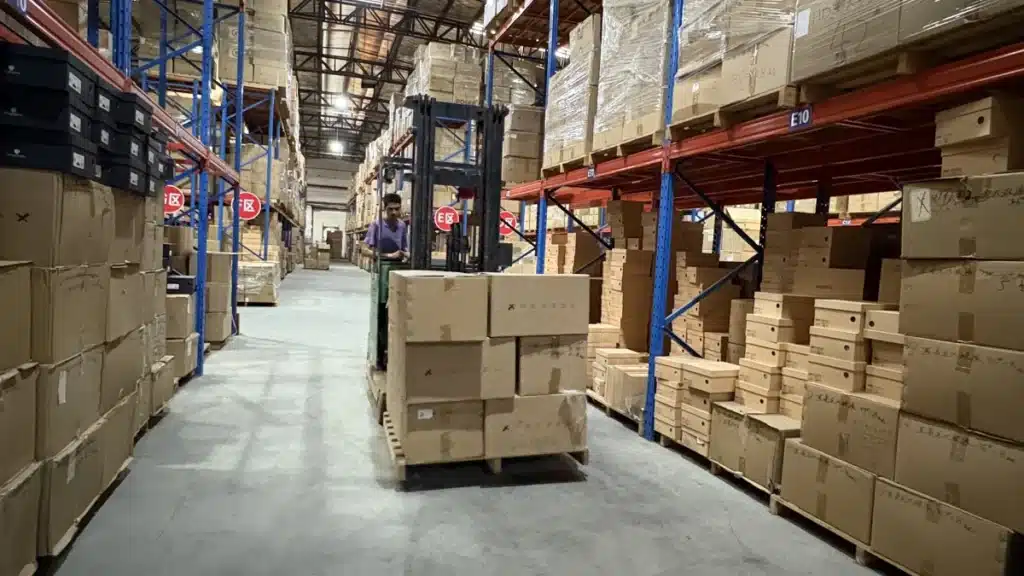
What Is Pick and Pack?
Pick and pack is a warehouse activity that aims at processing the orders. It is at the heart of everyday satisfaction of most online retailers, particularly those that process single customer orders as opposed to bulk delivery.
Core Functions of Pick and Pack
This can be typically separated into three steps:
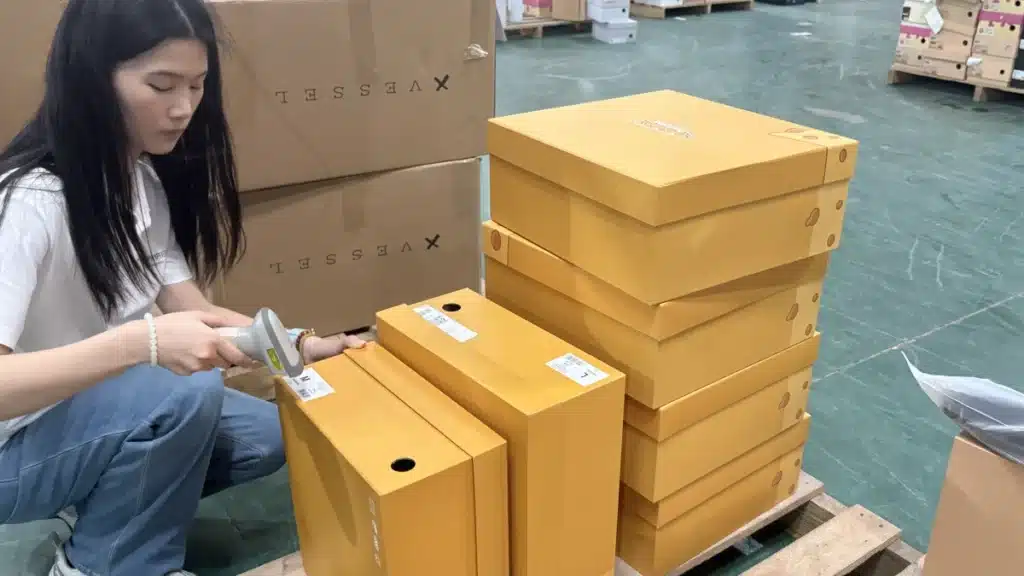
- Picking: Selecting the specific products off inventory points, according to the order information. Accuracy in this case avoids expensive mistakes and refunds.
- Packing: Packaging the items safely to be shipped, such as selecting suitable packing materials, using protective fillers, and product protection during transportation.
- Dispatch Preparation: Packages are labeled, document shipped prepared and orders ready to be picked by carriers to ensure efficiency in the operations.
Pick and pack is most often employed with those businesses who require assistance in processing orders but might be able to handle other operations independently, like storing inventory or negotiating with carriers. Often pick and pack services are simple and small to medium sized eCommerce businesses have warehousing in-house or subcontracted.
This model can be very effective when the volume of orders is not too large, and the product lines are not too complex. Each order is managed in warehouse crews or automated processing enabling personalization such as special inserts or custom packaging without making an investment commitment in a comprehensive outsourcing or partnership.
What Is 3PL (Third-Party Logistics)?
3PL is the term used to describe outsourcing of the logistics activities to a third party. Rather than handling different parts and components of the supply chain on your own, you offload some of the duties to professionals who then put it all under the same roof.
Core Services Offered by 3PL Providers
A complete 3PL package typically consists of:
- Warehousing: (safe inventory storage) real time inventory tracking and space optimization.
- Inventory Management: Continued monitoring of stock, alert on stock refills, reporting to avoid stockouts or overstock.
- Order Fulfillment: Entire process involved in pick, pack and ship.
- Shipping: Coordination of carriers, negotiating rates, and managing their delivery of domestic and in a few cases international orders.
- Returns Handling: Restocking (where applicable), inspection of returned items and reverse logistics.
The 3PL providers are a more detailed option than the fundamental pick and pack service. They frequently can directly be connected with, such as Shopify, Amazon, and other venues via APIs, which allows effortless integrating of orders and viewing each stage of the process.
In the case of growing brands, this integrated approach helps to minimize the need to organize efforts across a range of multiple vendors and enables organizations to focus on product development, marketing, and customer acquisition.
Key Differences Between Pick and Pack and 3PL
Pick and Pack and 3PL are different in a number of significant aspects. In contrast to pick and pack which is involved with the actual preparation of orders 3PL is made up of the whole logistics ecosystem.
Comparison Table
| Factor | Pick & Pack | 3PL |
| Scope | Limited to order handling (picking, packing, basic dispatch) | Full logistics solution (warehousing, inventory, fulfillment, shipping, returns) |
| Complexity | Lower – focused on specific tasks | Higher – manages multiple interconnected operations |
| Cost | Generally lower upfront | Higher overall but can offer savings through scale and efficiency |
| Scalability | Moderate – easier for stable volumes | High – designed to handle growth and fluctuations |
| Control | More direct control over the packing process | More outsourced control with shared visibility via systems |
The businesses that consider pick and pack and full 3PL as different services should take into consideration operational requirement as well as expansion plans. Simple pick and pack may be more appropriate with the simple sellers at an early stage but the complexity arises with multiple channels and large volumes that make 3PL useful.
When to Use Pick and Pack Services
Pick and pack fits in those businesses, which have a fairly straightforward logistical requirement. It offers specific assistance without full outsourcing agreements.
Ideal Scenarios for Pick and Pack
- Small to medium size eCommerce enterprises are still on their operations.
- Sellers with low SKU complexity and are able to store and have shipping as independent.
- Firms seeking economical fulfillment and maintaining control of inventory and carrier options.
- Brands trying out new products, or channels, before scaling up.
The initial step to logistics outsourcing is pick and pack. It gives you the opportunity to shift the high labour aspects of order taking with little overhead maintained. This is the starting point of many Shopify and Amazon sellers, particularly those who have trustworthy warehousing solutions or small seasonal fluctuation.
When to Use 3PL Services
Businesses that have a more complex operation requiring an integrated support and scaling will be better positioned using 3PL.
Ideal Scenarios for 3PL
- Ineffective high order volume organizations under day-to-day fulfillment demands.
- Combined sales activities (e.g., Shopify, Amazon, web site, and social commerce).
- Firms that require international shipping or have complicated processes of collecting customs.
- Companies that need professional returns management and reverse logistics.
With 3PL, a more scalable, integrated logistics solution is offered. With a larger order volume production or product line it becomes a strong asset to be able to access the benefit of advanced warehouse management systems, negotiated carrier rates, and skilled exception management.
Cost Comparison: Pick and Pack vs 3PL
The pricing variation will be prices based on the scope of services and complexity of operations. Pick and pack is less restrictive to entry whereas 3PL is more valuable, but leaves the whole investment.
Cost Comparison Table
| Cost Factor | Pick & Pack | 3PL |
| Picking & Packing | Included as core service | Included within broader fulfillment fees |
| Storage | Often separate or not included | Usually included with per-pallet or cubic-foot rates |
| Shipping | Handled separately (you manage carriers) | Often coordinated with negotiated discounts |
| Returns | Not always included; may require extra fees | Frequently included or offered as add-on |
| Overall Structure | Lower fixed costs, pay-per-task | Higher but predictable with volume efficiencies |
Generally the pick and pack option is cheaper in terms of initial outlay and the 3PL option can be extended to larger volumes with multi-carrier partnerships and optimized processes that can help reduce per-order costs. The actual users would vary, although several 3PLs would charge pick-and-pack fees of a few dollars per order, not to mention the storage and extras. You should continually demand specific quotes depending on your number of SKUs, order history, and how you expect to grow.
Advantages and Limitations of Each Model
Knowing the strengths and limitations assists in the decision-making.
Pick and Pack
Advantages:
- Reduced price of simple order processing.
- Easier to install and quicker.
- More control of the actual packing and quality checks.
Limitations:
- Reduced service extent you are still required to take care of storage, inventory and shipping.
- As the business expands, May will need extra logistics coordination.
- Less efficient when resource-intensive during spikes in demand.
3PL
Advantages:
- Complete logistics service, which allows your team to concentrate on the main business.
- Scalable operations that can expand to seasonal peaks or rapid growth.
- Realtime tracking and multi-channel order management systems.
Limitations:
- Greater total cost particularly to lower volume business.
- Less direct control, based on provider performance and communication.
- Possible integration and inventory transfer setup time.
How to Choose Between Pick and Pack and 3PL
The decision of the appropriate model should be based on the business requirements and long-term policy.
Decision Factors
- Volume Orders: When the volume is high and increasing then it usually leads to 3PL in order to be efficient.
- Budget: More budgetary constraints or pilot phases might prefer to start with pick and pack.
- Complexity: Full 3PL tends to be of benefit in multi-channel, international or high-SKU operations.
- Growth Stage: Pick and pack may be the initial stage of growth in early-stage brands, which shift to 3PL over time.
Logistics should be tied to increased strategy in business. Analyze existing pain areas (packing errors, shipping delays, or costs of storage) and look 6-12 months into the future. A hybrid strategy is often applied by many companies at the very beginning- pick and pack of particular product lines with the ultimate goal of developing a full-blown 3PL.
For more insights on related fulfillment topics, read our guide on the difference between pick and pack and full 3PL services.
Conclusion — Pick and Pack and 3PL Serve Different Roles
Pick and pack and 3PL solutions are not direct rivals – they have different uses in the logistics ecosystem. Pick and pack specialises in providing efficient order processing with and 3PL offers a full-fledged logistics platform.
By knowing these differences, businesses can select the appropriate solution depending on the level of operations, cost structure, and business growth aspirations. Not to mention that, though the model might not match your current stage, specialized help in making daily orders or aid in potentially expanding your operation, it is better adjusted to your needs that will enhance effectiveness, minimize errors, and allow sustainable growth.
As your eCommerce business is evolving, map your order profiles, costs and discuss with potential providers. The correct decision now can save much time and effort as your brand increases tomorrow.