Pick and pack and fulfillment are both vital components of eCommerce logistics, but operate at varying levels and scope.
Pick and pack are specifically used to refer to the process of selecting and packing products to be shipped. Fulfillment services, in their turn, take control of the whole process of the work -since the shop works with inventory (since in shelves and storage) until the processing of orders, delivery, and at times, shopping returns as well.
Most companies presume that the two terms can be used interchangeably. Pick and pack is in reality but a single part of a larger fulfillment system.
Pick and pack: It is a particular operational capability of fulfillment, whereas full fulfillment services provide the whole order fulfillment process, including inventory optimization and end-delivery.
This distinction is useful to make smarter decisions about outsourcing logistics by eCommerce sellers, Shopify and Amazon merchants, dropshipping operators, and operations managers. No matter which channels you are venturing into, or which channels you are expanding to, picking the right approach can directly affect your expenses, customer satisfaction, as well as the capacity to grow.
What Is Pick and Pack?
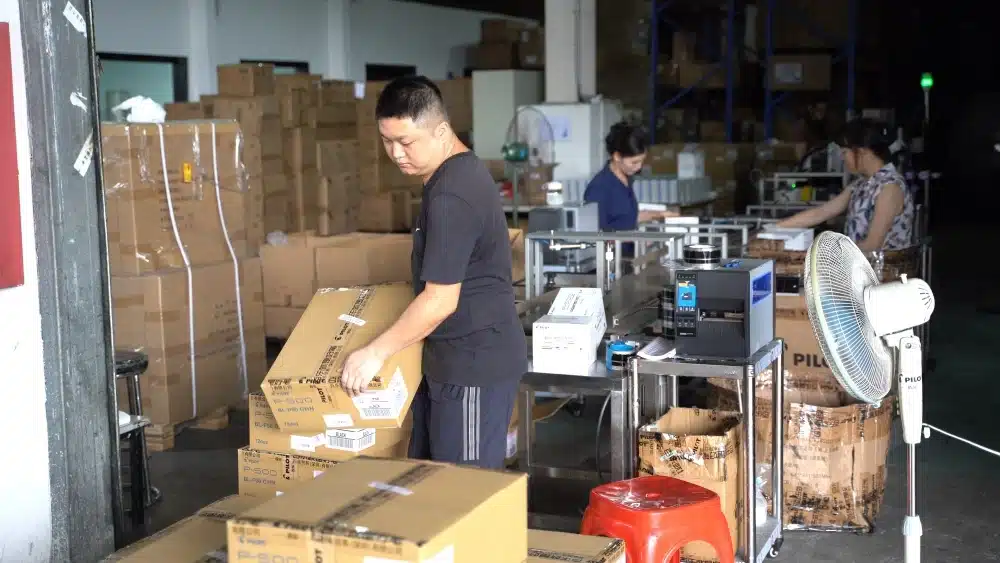
Pick and pack is a warehouse process which is centered on handling of orders. It is the fundamental practical action towards moving products off shelves to customers.
Core Functions of Pick and Pack
| Function | Description | Role in the Process |
| Picking | Retrieving products from inventory | Ensures order accuracy |
| Packing | Preparing items for shipment | Protects products during transit |
| Dispatch Preparation | Preparing for shipping | Supports timely delivery |
Practically, the process appears to be as follows: An order is received in through your store (Shopify, Amazon, or another platform). The pick list is made by the warehouse staff or an automated system, the specific items are found and taken to a packing station, where they are packed in a specially designed package (which may include custom materials or messages as necessary), labeled with shipping labels and passed on to be shipped off.
Pick and pack is generally adopted by those companies whose other logistics are handled separately, or those who need a specialized operation solution. An example of this is the small brand may take the whole part of receiving and keeping their inventory but leave the picking and packing to be done out of house to minimize errors and quicken shipment.
Pick and pack is a service offered by many 3PL providers as a stand-alone or modular offering. This flexibility is favorable to companies that prefer professional handling, and do not save all the supply chain to them.
What Are Fulfillment Services?
Fulfillment services offer a total logistics service that encompass the whole order life cycle. Full fulfillment is a combination of various processes in a single process as opposed to pick and pack which ceases at the packaging stage.
Core Components of Fulfillment Services
| Component | Description | Role in the Process |
| Inventory Receiving | Handling inbound goods | Ensures stock accuracy |
| Storage | Warehouse management | Organizes and safeguards inventory |
| Order Processing | Picking and packing | Executes order fulfillment |
| Shipping | Carrier coordination | Handles delivery execution |
| Returns Management | Handling returns | Supports customer satisfaction |
Passing every test, your provider takes everything into consideration since goods have been delivered to the warehouse until the moment when the order is given to the customer (or returned). Warehouse management systems have features of inventory real-time tracking, picking route optimization, and direct integration with your sales tools through API or plugins to sync orders automatically.
This end to end solution particularly benefits companies who sell on various platforms or with international deliveries.
Key Differences Between Pick and Pack and Fulfillment Services
Pick and pack and full fulfillment vary in scope, complexity and responsibility of operation. Whereas pick and pack is cosmic on the pick and pack phase, fulfillment services construct a full infrastructure of your orders.
Comparison Table
| Factor | Pick & Pack | Fulfillment Services |
| Scope | Limited to picking and packing | End-to-end logistics |
| Complexity | Lower | Higher |
| Cost | Lower overall (focused service) | Higher but includes more value |
| Scalability | Moderate | High |
| Integration | Partial (order handling only) | Full system integration |
Any business who assesses the pick and pack solutions versus full fulfillment solutions must take into consideration the short-term and long-term growth strategies. A small pick and pack focus might be effective in the short-run, but when orders volumes increase or are more complicated the integrated character of full fulfillment can be more effective.
When Should You Use Pick and Pack?
Pick and pack innovations are suitable in business with fewer logistic needs. It lets you offload the manpower-intensive order processing and retain inventory and carrier choices leverage.
Ideal Use Cases for Pick and Pack
- Small and mid-size eCommerce that have consistent yet not excessive volumes of orders.
- Less sprawl (lower SKU depth).
- Those businesses that want to handle inventory receiving and storage on their own.
- Cost sensitive operations that want to decrease in-house labor but not outsource off board.
- Brands that used third-party services to test the waters first, by testing the new service before investing in it extensively.
Pick and pack are useful in such situations, to keep accuracy and speed without the overhead of running a whole warehouse operation. Numerous Shopify vendors and low-level Amazon merchants commence with it as it opens up time to devote towards marketing and product creation.
When Should You Use Fulfillment Services?
The more complex or high-growth operations are more appropriate in terms of full fulfillment services. They are needed when logistics begin to take excessive management focus.
Ideal Use Cases for Fulfillment Services
- Businesses that require high order volume and need to scale fast.
- Sales on Amazon, Shopify, marketplaces, and your web.
- Global shipping needs that have customs along with diversified carriers.
- The organizations, which require professionalized returns management system and customer care.
- Brands that have increasing numbers of SKUs or are seasonal.
To these companies, the end-to-end visibility of full fulfillment services, incorporation of the technology, and tracking of the services in real-time minimize mistakes and enhance the customer experiences. The time saved on logistics may be more and the extra cost is offset once scale is achieved, which is very common among operations managers.
Cost Differences: Pick and Pack vs Fulfillment
There are different types of cost structures, which differ depending on scope of service. Pick and pack is usually a less expensive per-order service since it involves fewer operations, versus fulfillment which includes storage, processing, coordination of shipping and returns all into one service.
Cost Comparison
| Cost Factor | Pick & Pack | Fulfillment Services |
| Picking & Packing | Included (main fee) | Included |
| Storage | Often separate or optional | Usually included |
| Shipping | Handled separately by client | Coordinated and often optimized |
| Returns | Not always included | Included in many packages |
| Overall Upfront Cost | Lower | Higher but offers integrated value |
Common pick-and-pack charges may include the simplest costs based on a specific cost per order with only the labor of item selection and packing. Complete fulfilment comes at a cost of storage charges (which would normally come with a 30 day gratuity period) yet could lessen overall logistics nightmares by improving carrier rates and automation.
Pick and pack is often cheaper upfront, whereas fulfillment services are more value-adding, with more integration and scalability- particularly just like Amazon and Shopify sellers, they can expect predictable costs as they expand.
Merits and Disadvantages of all the Approaches.
The knowledge of the two choices assists businesses to make decisions that are well informed depending on their present state and their future strategy.
Advantages and Limitations of Each Approach
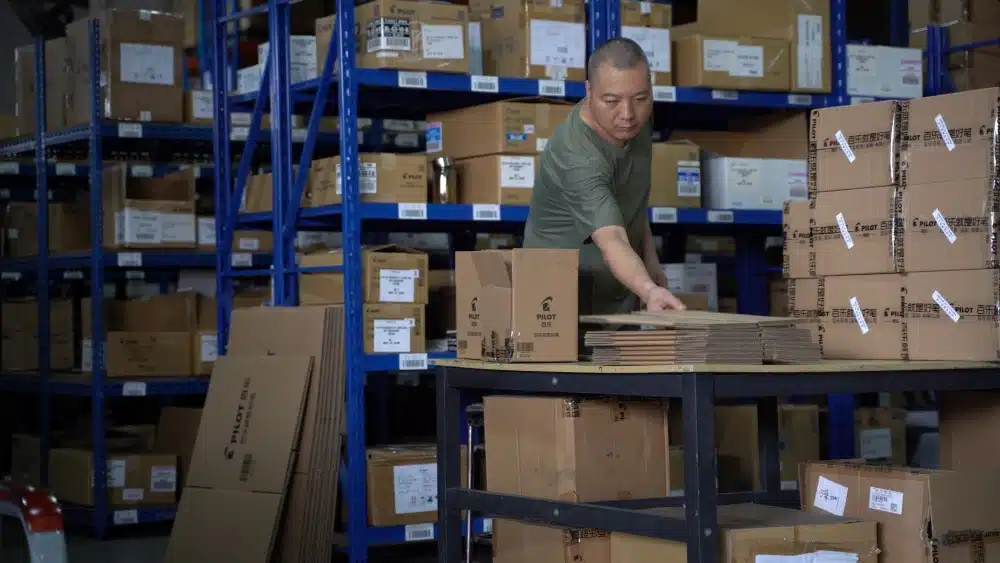
Understanding both options helps businesses make informed decisions based on their current stage and future plans.
Pick and Pack
Advantages:
- Reduced total cost to targeted needs.
- Less committed easier operations.
- Expanding the inventory and shipping options.
Limitations:
- Such a narrow range of service needs other aspects of logistics to be conducted on your own.
- May get inefficient when the volume or complexity of order increases.
- Minimal assimilation with sales platforms.
Fulfillment Services
Advantages:
- European-wide logistics coverage of receiving through returns.
- Highly scalable with advanced systems and reporting
- Unified functions to liberate your business to essential tasks.
Limitations:
- Increased overall price because of extensive scope.
- A little smaller degree of control over day-to-day decisions of the warehouse.
Beginning with pick and pack is popular among many emerging brands because it is a simpler approach to doing business and may move to full fulfillment as the company expands.
How to Choose the Right Solution for Your Business
Pick and pack or fulfillment should be decided based on the needs in business and level of growth. A decision framework is clear enough to guide you.
Decision Framework
| Factor | Recommendation |
| Order Volume | High volume → Fulfillment Services |
| Budget | Limited budget → Pick and Pack |
| Complexity | Complex logistics or multi-channel → Fulfillment |
| Growth Stage | Early stage → Pick and Pack; Scaling → Fulfillment |
Take into account your problem areas: Do you spend excessive time filling in orders? Are returns getting the best of you? Is there accuracy in its inventory? Your logistics approach should align with business objectives in order to be successful in the long-run.
In case of uncertainty, there are numerous providers of flexible models, which allow you to pick and pack and upgrade to full delivery when you get to the point of need.
Conclusion — Choose Based on Scope and Growth Needs
Pick and packs and fulfillments have different functions in the logistics system.
Pick and pack concentrates on the order level operational efficiency, providing speed and precision when picking and packaging orders. A fulfillment service acts as an all inclusive logistic structure that is employed to assist all parts of the customer experience.
The knowledge of the difference will enable businesses to select the appropriate solution, depending on their operational complexity, cost structure, and growth goals. It depends on whether you require specific assistance that works on handling the orders or an entire end-to-end partner; however, the important thing is that you have to match the service with your business position today and where you would like it to be tomorrow.
The ideal way forward in the case of many eCommerce teams is to assess existing bottlenecks and trial a targeted service prior to entering into an all-encompassing partnership.
When evaluating alternatives, ask yourself, what are the similarities and differences between pick and pack and full fulfillment solutions based on your product categories, sales channels, and customer expectations in particular.