Amazon sellers are aware of how frustrating it is to see profits decrease while FBA storage costs keep growing. As fees increase, reconsidering inventory strategy becomes more urgent. BM Supply Chain helps sellers use China warehouses as intelligent buffers through Amazon fulfillment services from China, including supplier coordination, product inspections, warehousing, FBA prep, order fulfillment, and global shipping. With 30 days of free warehousing, warehouse management tools, API integration, and shipment tracking, sellers can improve inventory flow and reduce pressure on cash flow.
Moving part of inventory to a China warehouse is not a fad–it is a good practice. It allows you to stock in large quantities cheaply abroad, refill FBA on the need, and avoid long-term storage fees that may cost you 0.35 units per unit or 7.90 cubic feet per cubic foot of old stock. The strategy will maintain your FBA slim, margins robust, and operations lean, particularly as Amazon ends its prep service in 2026, driving sellers to its efficient 3PL partners.
Why China Warehouses Reduce FBA Storage Fees
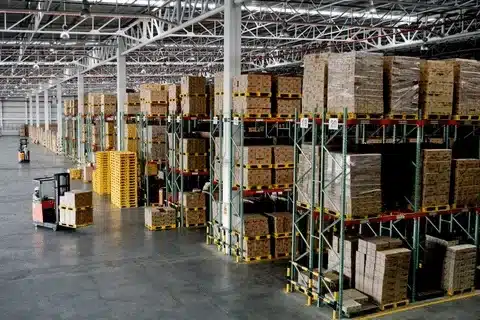
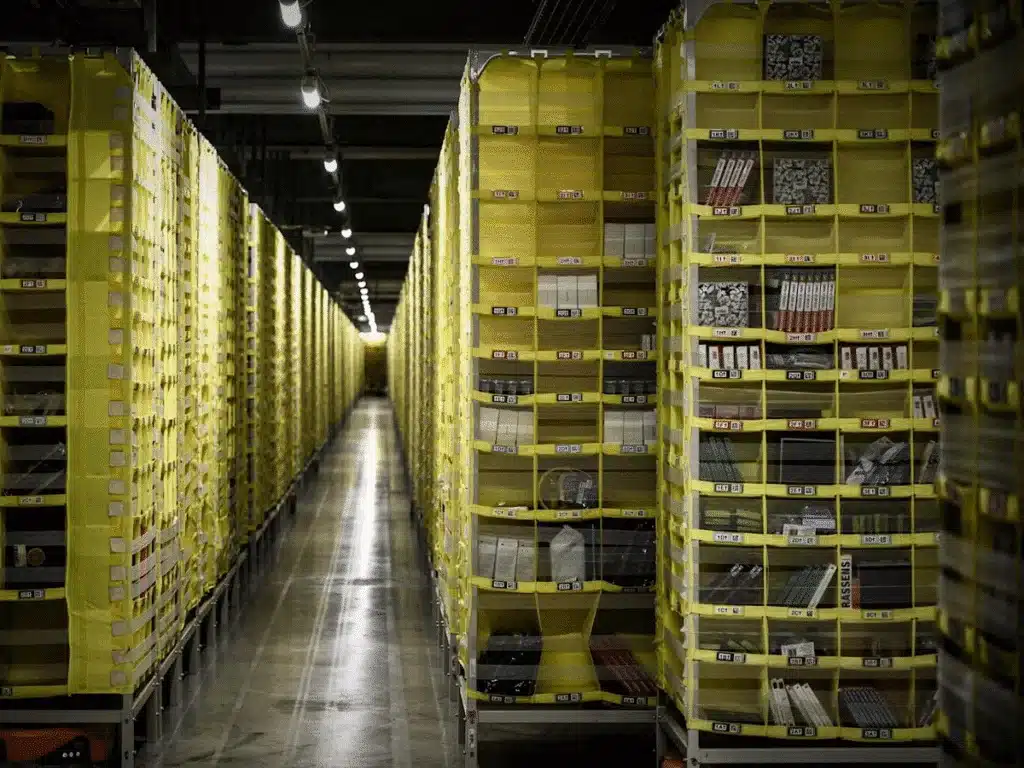
Increasing Amazon FBA storage costs are pressurizing the sellers, especially in the fourth quarter when the cost to store standard goods is up to 2.40 per cubic foot. Overstocking results in long-term charges of inventory over 271 days old and as 2026 adjustment increases the costs in high demand areas, lots of them are seeking salvation in China warehouses. These warehouses provide inexpensive warehouse storage-sometimes Amazon rates- and are strategic centers closer to manufacturing origin.
Sellers can establish a buffer by using a China warehouse: keep larger stock volumes at lower cost, then pack and ship FBA batches according to sales demand. This approach reduces exposure to monthly and long-term storage fees. Learn how to replenish inventory to Amazon FBA from China effectively with a practical workflow that combines buffer storage, forecasting, FBA prep, and flexible freight planning.
Core benefits include:
- Inexpensive storage rates: The storage prices start as low as 0.50 per cubic foot per month compared to Amazon 0.48-0.57.
- 30 days free warehousing: Buffer is free without incurring immediate costs, which relieves cash flow.
- Consolidation & batching: Packages shipments to maximize FBA inbound.
- Improved inventory management: Predict and make amends.
- Swifter retrusts: Swift China replenishment lowers FBA hold times.
- Avoiding overstock fees: Be FBA lean to avoid LTSF.
Understanding Amazon FBA Storage Fees
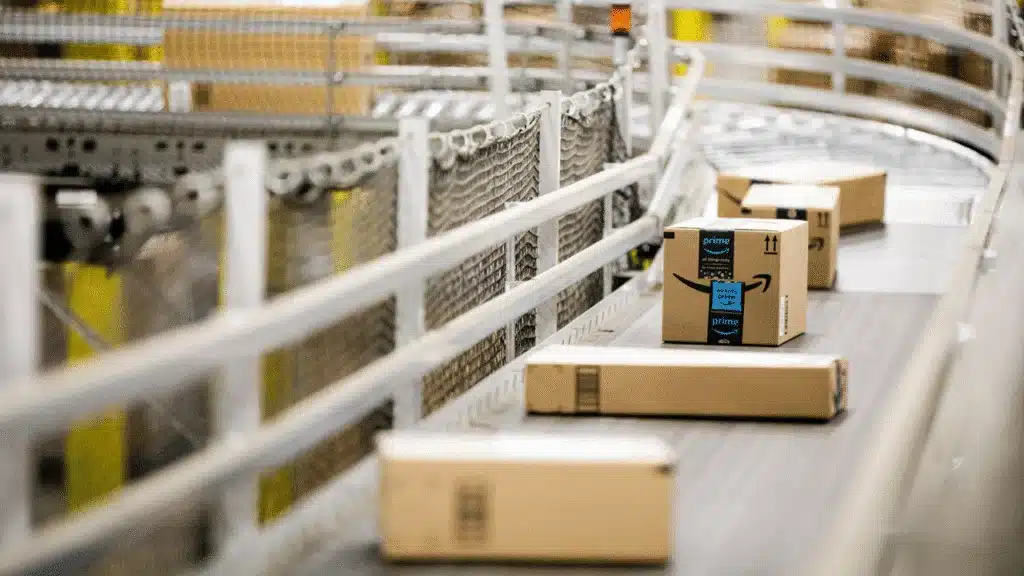
Amazon will charge by the space occupied by your products and it is not very cheap. Average monthly fee by the area and time of year: In 2026, the average will be $0.48 per cubic foot in East/South and 0.57 in West. Oversized items? They scale higher–to as high as 0.38 per cubic foot off-peak.
Then there are long-term storage fees (LTSF): On inventory with a 271-365-day age, the cost is 3.63 per cubic foot; above 365 days it is an enormous 7.25 per cubic foot or 15 cents per unit, whichever is higher. Q4 (Oct-Dec) peaks to 2.40 per cubic foot of standard, which is three times higher in the off-peak period in order to clear space to accommodate holidays.
Why does overstocking hurt? Consider 1000 units of a slow-mover occupying 50cubic feet. That is 57 cents per month or 28.50- LTSF in months and you are taking blood in the streets. We have also witnessed sellers lose 10-20% of profits in this case without any interference.
Why China Warehouses Are Cheaper for Storage
The China warehouses beat the U.S and European decisions due to the reduced price of labor and real estates. Where Amazon rates are at $0.48 -0.57 per cubic foot, China 3PLs such as BM Supply Chain rates are at $0.30-0.50, and free periods are included.
Free ware up to 30 days is a godsend when it comes to buffering-store goods after producing, without any charge, as they get organized to be sent using FBA. Ideal when you have slow moving SKU that cannot move fast enough to meet the speed of Amazon.
It is also the best in the case of multiple suppliers: Gather in the factories, wait a little is possible, then consolidate. No holding expenses, only effective holding.
Use a China Warehouse for Buffer Storage
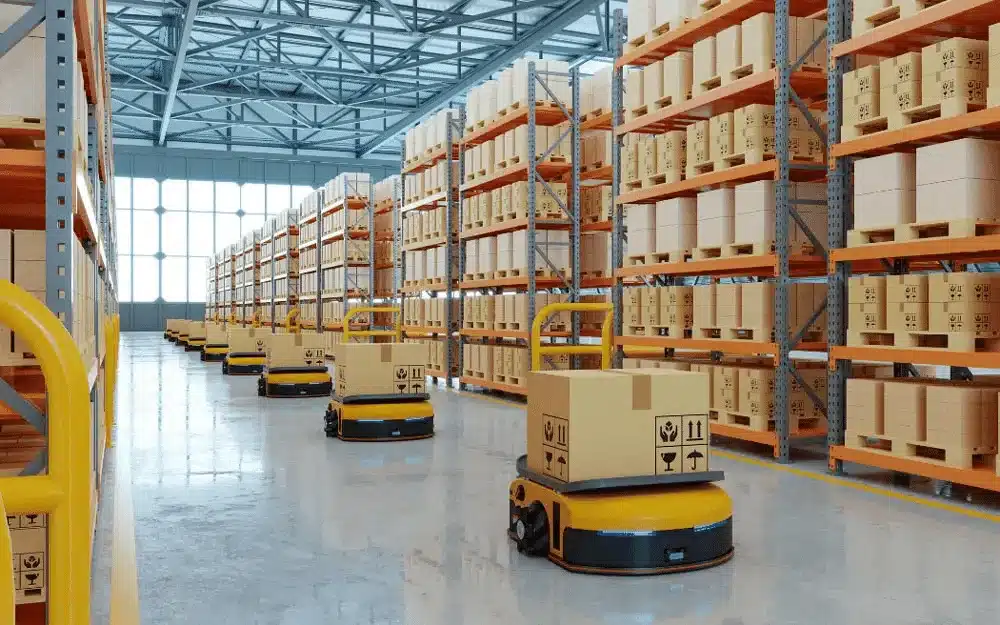
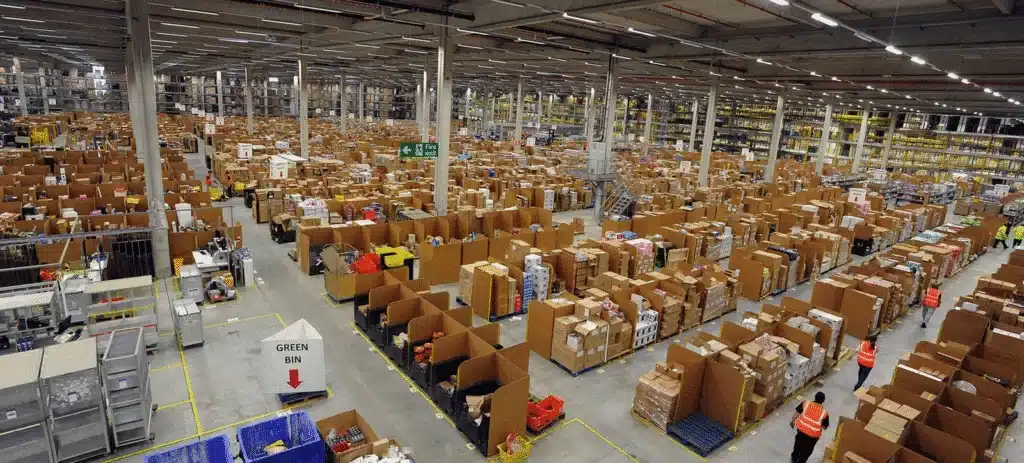
Keep stock in China and ship only the quantities required by FBA. This keeps Amazon inventory lean, helps avoid long-term storage fees, and can help you prevent Amazon stockouts with a China warehouse.
As an example, we will have 5,000 units in our warehouse at no cost (30 days), and 500 new units to FBA each week, which will be replenished depending on the sales statistics through API sync. Minimizes FBA warehouse days, halts fees in most instances.
Improved cash flow is another benefit because less capital is tied up in overstocked FBA inventory. Forecasting tools in a warehouse management system can automate replenishment thresholds, while API integration improves Amazon fulfillment speed by keeping inventory and order data synchronized.
Improve Replenishment Efficiency
China warehouses allow FBA replenishment nimble out of China. Proximity implies speedy preparation and shipment-days not weeks.
Ship smaller deliveries weekly through air or express and maintain FBA at the optimum. Our multi-timetable schedules will be flexible hence the low possibility of stockouts and minimized overstocking.
The clients report a decrease in fees by 25 percent through replenishment of just-in-time, and also a reduction in emergencies. Expert insight: Coupled with demand forecasting to be accurate.
Consolidate Shipments in China Before Sending to FBA
China warehouses allow FBA replenishment nimble out of China. Proximity implies speedy preparation and shipment-days not weeks.
Ship smaller deliveries weekly through air or express and maintain FBA at the optimum. Our multi-timetable schedules will be flexible hence the low possibility of stockouts and minimized overstocking.
The clients report a decrease in fees by 25 percent through replenishment of just-in-time, and also a reduction in emergencies. Expert insight: Coupled with demand forecasting to be accurate.
Do All FBA Prep in China Instead of Amazon or the U.S.
U.S. prep is pricey–$1-3 per unit. In China, it is $0.20-1, and it is executed faster.
Our prep center in China handles the core work required to prepare inventory for Amazon FBA, including FNSKU labeling, poly bagging with required warnings, bubble wrapping, bundle assembly, insert cards, carton labeling, and quality-control inspections.
Delays in prep can add days or weeks of unnecessary storage exposure. Using professional Amazon FBA prep services at the source can shorten the process, reduce storage pressure, and help ensure inventory is compliant before it enters Amazon’s network.
Use a China Warehouse for Seasonal & Bulky Items
Dubious or massive goods consume money–more cubic rates are charged. Keep them in China at a low cost until the season of high demand.
In the case of seasonal such as Christmas decor: Seasonal stocks can be built in our warehouse and shipped in advance before the rates soar.
Low-velocity SKUs? Buffer here to prevent LTSF. One of the home goods customers kept large lamps, and this saved him 500 dollars a month.
Use DDP or Air/Sea Freight Flexibly
China warehouses provide flexible shipping choices, including air freight for urgent deliveries, sea freight for cost-efficient bulk shipments, DDP shipping with duties handled, and express couriers. Compare the best shipping methods from China to Amazon FBA before choosing a route for each replenishment cycle.
Plan freight flows based on demand: use sea freight for buffer inventory and air freight for urgent restocks. Understanding how to ship products from China to Amazon FBA helps sellers select suitable freight options and reduce unnecessary inventory holding time.
This flexibility prevents overstock-adjust to sales to cut FBA hold times.
Real Examples: When China Warehouse Storage Beats FBA Storage
Examples of apparel retailer with slow mover tees: Overstocked FBA resulted in 300 LTSF/month. Moved to our China warehouse free 30 days, low rates, reduced to $100, batches replenished by API.
Multiple excessively sized branded items in the kitchen: Large pots at $2/cu ft in FBA Q4. Buffered in China, shipped on a seasonal basis-saving of 2,000 a year.
A multi-supplier electronics dealer: Combined in our premises, ready and retained when shipped once–cut inbound expenses and eliminated mismatches.
Additional Benefits of Using a China Warehouse
Beyond storage-fee savings, better quality control means inspections can identify defects before inventory reaches Amazon, which can reduce returns. Reviewing common Amazon FBA prep mistakes can also help sellers avoid preventable labeling, packaging, carton, and compliance problems.
Onsite fix packaging without U.S. expense. Bundles or labels without difficulty.
Additional value-added services include assembly, personalized packaging, labeling, and inserts that support branding without adding unnecessary FBA storage exposure. Sellers can also explore the benefits of bundling and kitting products before shipping to Amazon FBA when creating multipacks, gift sets, and differentiated product offers.
When a China Warehouse Is the Best Option
Best to debut products: Buffer large batches and test small FBA.
Overstock woes? Offload to China. Seasonal products: Stock-out of-season.
High Q4 fees? Pre-position without surges. Little funds: Free storage assists.
Various suppliers: Optimize effectively. Require preparation + storage: Toilet shop.
FAQ
What is the cost reduction of a China warehouse in terms of storage by the sellers?
The cost of shipping between Amazon and its customers is often 40-60 percent, between $0.48-0.57/cu ft and 0.30-0.50, as well as free periods.
Is it possible to transport a China warehouse warehouse directly to Amazon FBA?
Yes– we deal with DDP, air/sea, compliance.
Does china store warehouse delay shipments?
No, more rapid preparation and schedules tend to hurry matters along.
Will China warehouse storage be safe to the private label sellers?
Yes–safe plants, surveillance, branding is insured.
What kind of products are the most beneficial in the case of China warehousing?
Slow-moving, large-sized, seasonal, and multiple supplier products.
Are Chinese warehouses API integrated?
Yes, similar to our one, which is seamless with Seller Central to be automatically replenished.
Conclusion
In an effort to counter the increased Amazon FBA storage costs, more sellers are transferring their operations to China warehouses and acquiring control and savings. Through buffering stock, expediency of replenishment and low-cost prep, you decrease vulnerability to monthly and LTSF fees and simplify operations. As we enter 2026, with the fee increases and the change in prep, this plan will provide competitive advantage. Our customized solutions at BM Supply Chain, whether it is sourcing or tracking, assist you to work on growth. These tips will see your margins skyrocket.