Blog

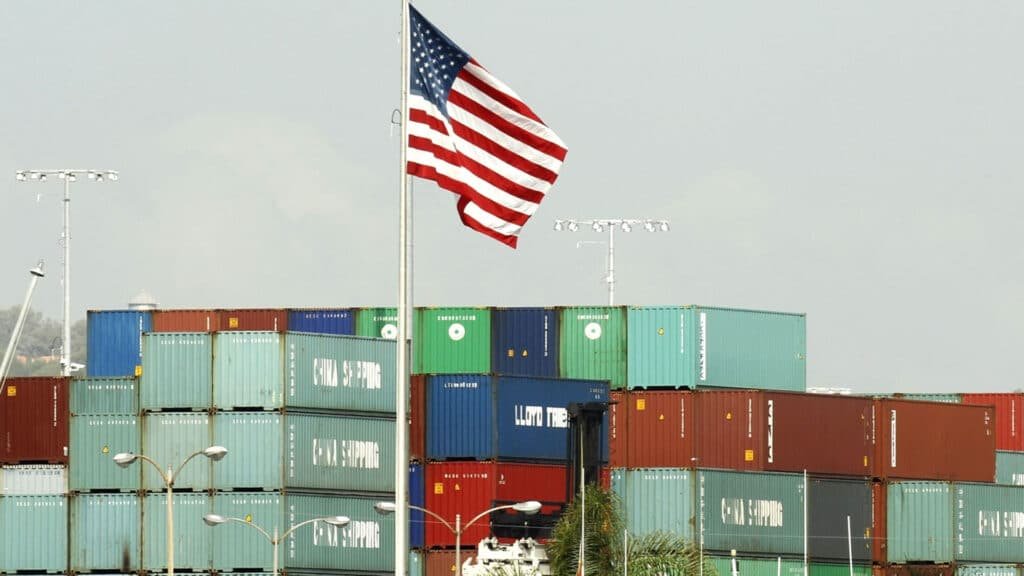
A U.S. port with cranes, shipping containers, and an American flag, illustrating the real cost of importing to the U.S. in 2025, including duties and taxes.
Blog

The Real Cost of Importing to the U.S. in 2025: Taxes, Duties, and Fees Explained

Importing to the United States is more complex than ever in 2025.
Beyond product prices, importers face multiple layers of costs — duties, tariffs, customs fees, insurance, and taxes.
This article explains each cost component clearly, helping you calculate the true landed cost of your imports and discover strategies to keep your trade operations profitable and compliant.

Blog

CIP Delivery Terms: Your Complete Guide to Carriage and Insurance Paid To

The article “CIP Delivery Terms: Your Complete Guide to Carriage and Insurance Paid To” provides a thorough explanation of the CIP (Carriage and Insurance Paid To) Incoterm, outlining how it defines the responsibilities of both buyer and seller in international trade. It explains that under CIP, the seller covers the costs of transport and insurance to the named destination, while risk transfers to the buyer once the goods are handed over to the first carrier. The guide details documentation, insurance coverage levels, and practical uses of CIP, comparing it with terms like CPT and CIF to help traders choose the most secure and efficient shipping agreement.

Blog

DAP Delivery Terms: A Complete Guide to Delivered At Place Incoterms

The article “DAP Delivery Terms: A Complete Guide to Delivered At Place Incoterms” explains how DAP (Delivered At Place) works in international trade under the Incoterms rules. It details that the seller is responsible for transporting goods to a named destination and bearing all costs and risks until delivery, excluding import duties and taxes, which are paid by the buyer. The guide outlines each party’s responsibilities, key documentation, and practical applications of DAP across shipping methods. It also compares DAP with related terms like DDP and DAT to help traders choose the most suitable delivery term for their international shipments.

Blog

Ex Works Meaning: Complete Guide to EXW Incoterms

The article “Ex Works Meaning: Complete Guide to EXW Incoterms” provides a detailed explanation of the EXW (Ex Works) shipping term and its role in international trade. It clarifies that under EXW, the seller’s responsibility ends once the goods are made available at their premises, while the buyer assumes all risks, costs, and arrangements for transport, export clearance, and delivery. The guide highlights the advantages of EXW for sellers, the challenges it poses for buyers, and when this Incoterm is most appropriate. It also compares EXW with other terms like FOB and FCA to help businesses choose the right trade arrangement.

Blog

Shipping Term CIP: Complete Guide to Carriage and Insurance Paid To

The article “Shipping Term CIP: Complete Guide to Carriage and Insurance Paid To” explains the responsibilities and risk division between buyers and sellers under the CIP (Carriage and Insurance Paid To) Incoterm. It clarifies that the seller pays for both the transport and insurance coverage of goods to the agreed destination, while the risk transfers to the buyer once the goods are handed over to the first carrier. The guide covers documentation, insurance requirements, and comparisons with related terms like CPT and CIF, helping businesses understand when and how to use CIP for secure and cost-effective international shipping.

Blog

The Cheapest Way to Ship Heavy Items: A Complete Cost Comparison Guide

The article “The Cheapest Way to Ship Heavy Items: A Complete Cost Comparison Guide” explains how to minimize shipping expenses for large or bulky packages. It compares various shipping methods—ground, freight, sea, and air—highlighting their pros, cons, and cost-effectiveness for different weight ranges and destinations. The guide also discusses how packaging, delivery speed, distance, and carrier selection affect overall pricing. By analyzing major carriers and offering practical cost-saving tips, it helps businesses and individuals choose the most affordable and efficient way to ship heavy items domestically or internationally.

Blog

FAS Incoterms: A Complete Guide to Free Alongside Ship

The article “FAS Incoterms: A Complete Guide to Free Alongside Ship” explains the meaning and practical application of the FAS (Free Alongside Ship) trade term under Incoterms. It outlines that under FAS, the seller is responsible for delivering the goods alongside the vessel at the designated port of shipment, covering export clearance and port delivery costs. Once the goods are positioned next to the ship, the risk and responsibility transfer to the buyer, who handles loading, freight, insurance, and import duties. The guide helps exporters and importers understand when FAS is suitable, its advantages and limitations, and how it compares to other maritime Incoterms like FOB and CIF.

Blog

Carriage Paid To (CPT): A Complete Guide to This Essential Incoterm

The article “Carriage Paid To (CPT): A Complete Guide to This Essential Incoterm” explains how the CPT term works in international trade. Under CPT, the seller arranges and pays for the transportation of goods to a specified destination, but the risk transfers to the buyer once the goods are handed over to the first carrier. The guide details each party’s responsibilities, including transport arrangements, insurance, and customs procedures. It also compares CPT with other Incoterms like CIP and FOB, helping traders understand when to use CPT for efficient, cost-effective global shipping transactions.

Scroll to Top

GET A QUOTE