The nightmare begins with a simple mistake: a shipment of kitchen appliances arrives at an Amazon warehouse with incorrect labels and inadequate protective packaging. This can lead to missed check-ins, rejected inventory, lower seller metrics, and weaker Buy Box performance. BM Supply Chain has encountered these challenges repeatedly through its Amazon fulfillment services from China, including product sourcing, inspections, warehousing, dropshipping, order fulfillment, and Amazon logistics. Our integrated supplier-to-customer workflow supports tailored sourcing solutions, up to 30 days of free storage, advanced warehouse systems, free API connectivity, and one-stop tracking so sellers can focus on growth while avoiding preventable problems
Bypassing or shortcutting inspections before delivery to Amazon is not only hazardous, but also a direct blow to the bottom line. FBA rejections can hold inventory and require expensive removals or disposals, while defective products can result in customer complaints that negatively affect Order Defect Rate (ODR) and account health. Even minor issues such as inaccurate quantities or incorrect variants can lead to “not as described” reviews that damage rankings. Sellers should follow a structured process to prepare inventory for Amazon FBA before shipment, especially when corrections that could have been made quickly in China become more expensive downstream.
The real cost? Other than fees, it is the lost sales velocity, where stock outs due to held shipment present competition with an advantage and regaining trust takes time. As our experience with thousands of inspections has taught us, it is not the case, but rather the ability to identify issues at the beginning of the supply-chain that will determine whether one will flourish or go under at Amazon.
The Cost of NOT Inspecting
Suppose you release a trendy product a fitness band that is selling well, and the initial reviewers to use it cite inaccurate color options, or defective charging cables, these being problems that were missed due to the fact that you took the suppliers word. That is the bleak truth of dodging inspections: FBA rejects stop your shipment, and Amazon will receive your goods until you comply, and you will spend weeks waiting and having to rush a restock of the ship to Amazon via expensive air transport.
Not as described defects flood customer complaints and your ODR goes above the 1 percent threshold and has the likelihood to be suspended. Packaging non-conformance- consider putting poly bags without suffocation warnings- attracts rebagging costs or returns in their entirety, whereas wrong quantities lead to partial availability of inventory, no pleasure to buyers and a decline in your conversion rates.
Poor variants, such as medium but not large size will cause mismatch in inventory that will end up confusing the Amazon system leading to stock loss and human intervention. Eventually, such lapses undermine confidence, reduce sales speed, and leave opportunities to others–someone has proven that the ultimate cost of bad inspection is significantly greater than rework expenses.
The 4-Layer Inspection Framework
To address them directly, we have designed a 4-level checking system in BM Supply Chain, based on our experience with Amazon-bound Chinese shipments over the years. It is not a checklist model, but a risk-prioritized model, which defends against all attacks by stacking layers of defense up, beginning with core product integrity, and then moving to Amazon specific quirks. It also takes care of 99% of the common pitfalls as it covers the issues in order to ensure that nothing goes through that may result in rejections or returns.
Layer 1 — Physical Quality Layer
This basic layer is concerned with the overall viability of the product, the materials used to make it feel high quality and durable, the craftsmanship without any burrs or loose threads, and functionality that performs as promised. In the case of electronics, charging cycles and drop tests are used to replicate transit jolts; with apparel, even stitching and post-wash color test. Without doing this, durability complaints will come up, spiking returns, i.e. a gadget breaking down in a week, one-star reviews that put your listing under the carpet.
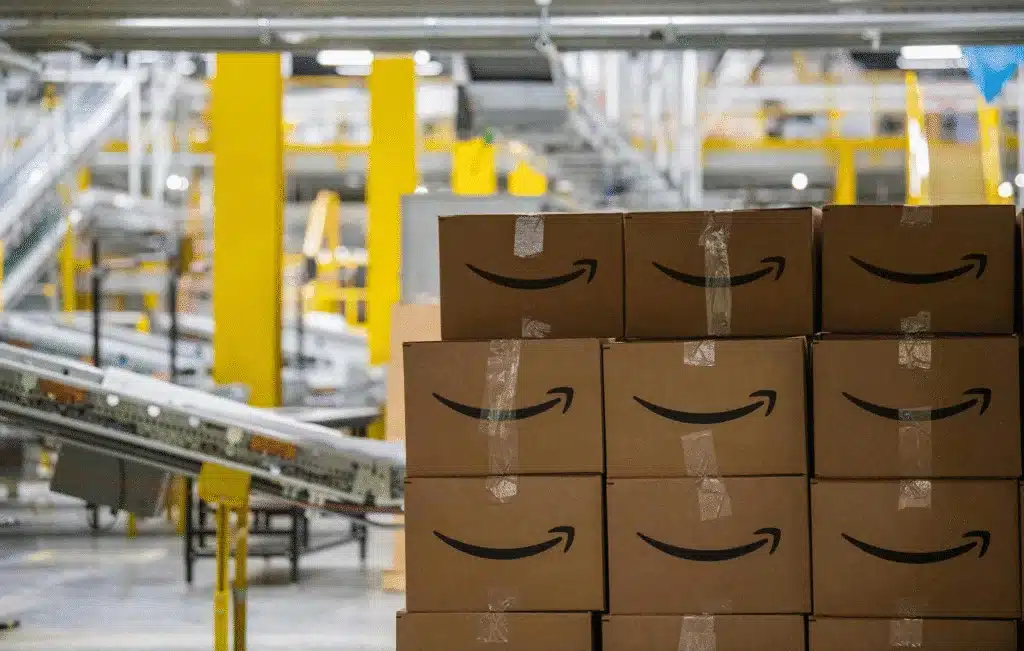
Layer 2 — Packaging & Compliance Layer
This layer focuses on protection and compliance, including FNSKU placement on flat surfaces, readable suffocation warnings on applicable poly bags, and carton durability that remains intact when stacked. Review the complete Amazon FNSKU labeling requirements to verify label placement, barcode coverage, and scan reliability before shipment. We also inspect poly bag specifications such as 1.5 mil thickness to reduce tearing and ensure that packaging aligns with Amazon inbound requirements. Failure to do so can lead to rebagging charges or shipment holds caused by non-compliant packaging.
Layer 3 — Quantity & Variant Accuracy Layer
The accuracy is the monarch in this layer, the validation of the quantity of units should correspond to the matching orders, the colors and sizes of the order must be consistent within the batch, and the number of accessories (such as chargers or manuals) available. Documents, e.g. compliance certs of toys under CPSIA are also checked twice. Mix-ups variants are the silent type of killer; we have already witnessed sellers delivering a blue color instead of black, creating an inventory glitch and frustrating customers that is a metric killer.
Layer 4 — Amazon-Specific Requirements Layer
This layer protects against Amazon-specific requirements, including carton weight limits, Team Lift labels for heavy items, Sold as Set preparation, barcode concealment, and accurate box-content information uploaded in Seller Central. Review the carton labeling requirements for Amazon FBA to confirm carton labels, shipment IDs, barcode placement, and inbound carton details before dispatch. Combining these layers reduces the chance of rejection by addressing risks from the product itself through to Amazon receiving.
Case Studies: 3 Real-World Failure Examples
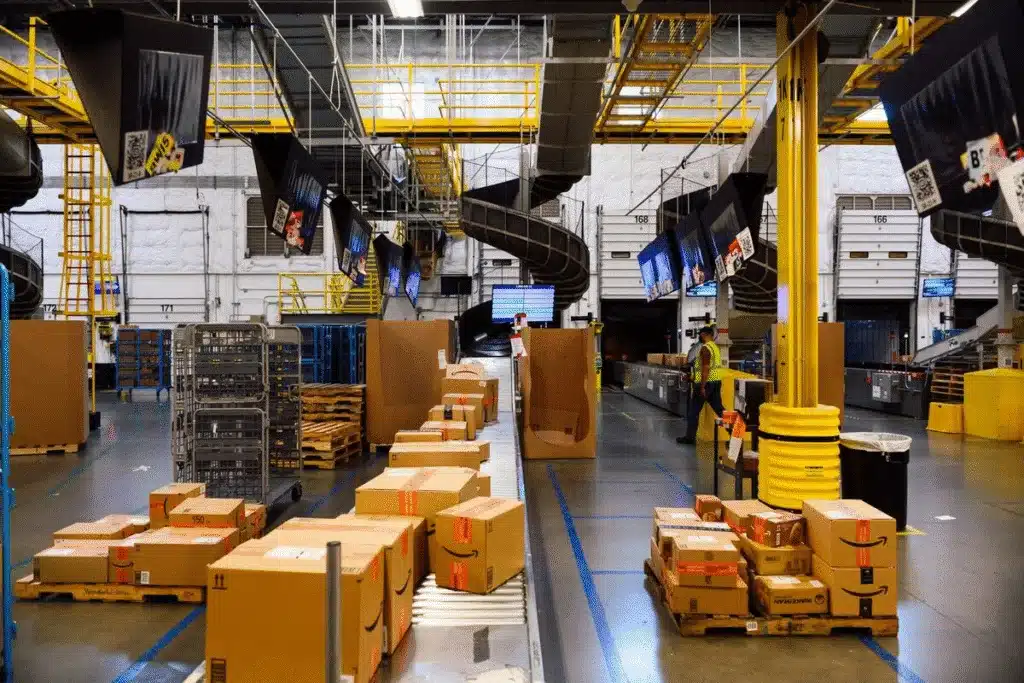
Take the example of the electronics seller who did not check variants, downstream Amazon was offered a shipment of incorrect charging ports and an entire carton was returned. All returns poured in with non-functioning units being received by customers and putting ODR well above 2% and suspending the listing. A sample check in China would have revealed the variant replacement in time, and a rapid fix in the factory would have been made at minimum cost rather than the cost of disposal and sales lost.
A beauty brand in another instance ignored warnings on suffocation of lip balms packed in poly-bags. The shipment reached well, but was flagged due to non-compliance with the safety rules, paying rebagging fees and a two weeks hold. Bad ratings mounted up due to late deliveries, which lowered the rank of the seller. This could have been avoided with a simple label check on the packaging layer and it underscores the importance of a small oversight growing into a big interruption.
Lastly, one toy company failed to verify accessory completeness and shipped sets with missing small parts. Customers received incomplete products, which led to rising returns and an Amazon investigation. The fallout included account warnings and reduced Buy Box eligibility. Early quantity checks would have identified the issue; review these common Amazon FBA prep mistakes to prevent similar labeling, packaging, carton, inspection, and bundling failures.
Upstream vs Downstream Inspection
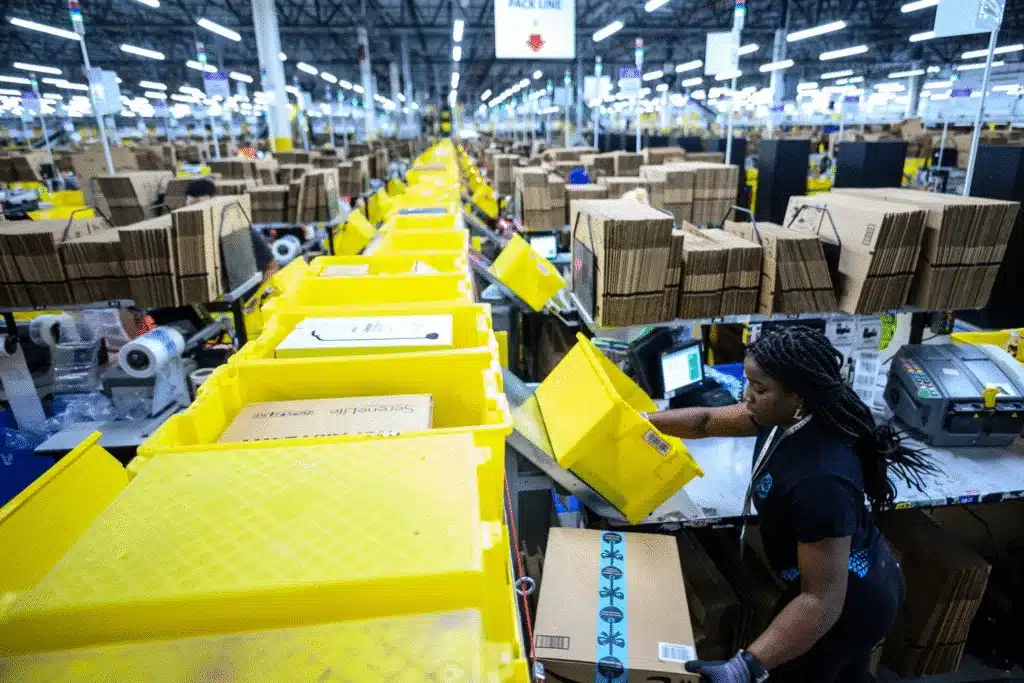
In China, near the production, upstream inspection is a supply-chain powerhouse, and they do this, which means that they are able to spot problems at low costs and within a very short time. Recalling a batch that has failed at the production facility costs only a few cents to consider that it may cost downstream, which U.S. or EU logistics would impose shipping, duties, and labor premiums on- 5-10 times more expensive. Imagine it as cutting off the head: The stitching defect on the dress is a fast machine correction at the top, however, at the bottom, it is recall, wasteage and KPI strikes that undermine trust.
Downstream controls, such as intake at Amazon, are reactive because the issues are already in the system, causing holds that freeze capital and sales. Upstream inspection is proactive: it integrates checks into supplier workflows so adjustments can be made in real time. At BM Supply Chain, conducting QC near factories helps reduce waste and supports a smoother process to ship products from China to Amazon FBA. This is not only inspection; it is supply-chain optimization that turns potential liabilities into a competitive advantage by allowing only compliant products to proceed.
Stress Testing for High-Risk Categories
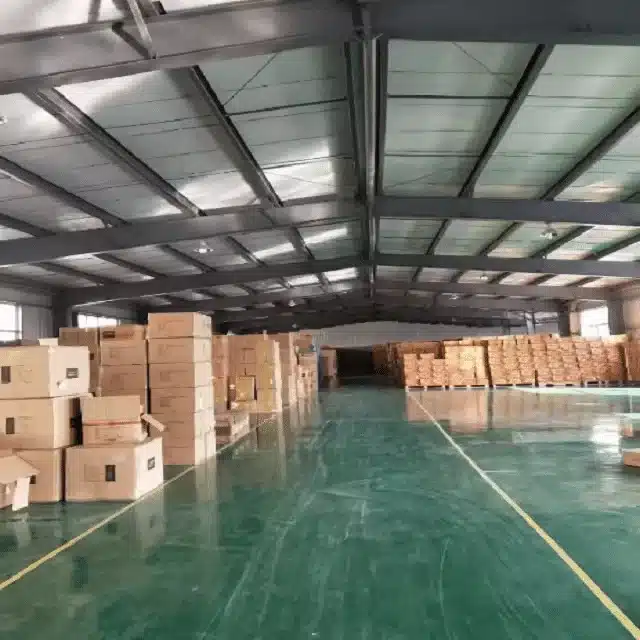
Categories with high returns require stress testing, which is used to model real-world abuse and identify vulnerabilities that cannot be detected by conventional checks. In the case of electronics, drop tests of 3 feet off concrete resemble transit bumps and heat cycles to test the stability of components in warehouse environments and full functioning tests, including charging 24 hours, to prevent shorts and failures. These unveil such problems as loose connectors that may result in one-star reviews.
Appliances undergo load tests, with weights put on them to find out how durable they are, and adhesive tests, pulling tapes after being used in wet weather to make sure they do not peel. Kitchen items should be water resistant and we place seals a little under water to identify the presence of water leaks as early as possible.
Clothing gets colorfast tests, whereby, samples are washed after which the test is done to identify bleeds, and an odor test as the stale smell of bad storage is the cause of complaints. This demanding methodology, which is specific to category risks, has assisted our clients to cut returns by 15-25, which demonstrates that stress testing is not excessive, but necessary insurance against downstream catastrophes.
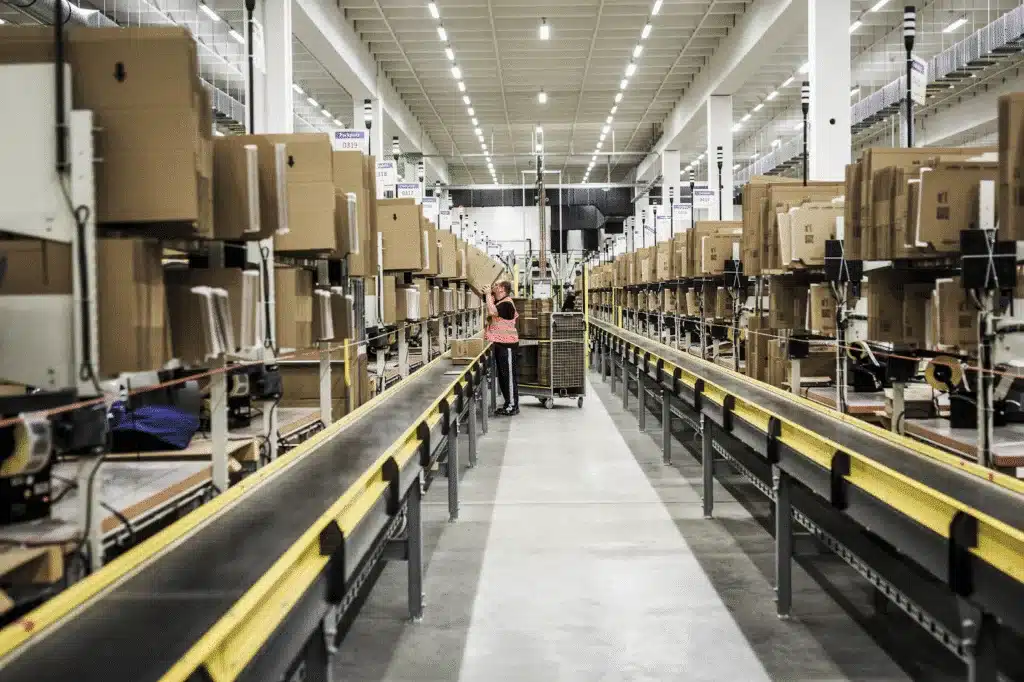
The Invisible Checks Most Sellers Forget
Other than the obvious, subtler checks will foil even the experienced sellers–over-glossy barcodes that reflect scanner lights and thus cutting down any further intake. To prevent this glare we always mat-finish our labels.
Dimensional weight costs boil down to oversized packaging at Amazon and we are measuring within the 36x25x25 inch limit, trimming the extra to make a saving in inbound costs. Wrong dimensions of cartons entered in Seller Central lead to mismatch, which triggers shipment to be put under manual inspection-delays which can be avoided in the case of accurate pre-measurement.
Inserts that do not match listing, such as unlisted warranties, are subject to the risk of claims that are not as described and we thus cross-check with ASIN information. Free-flowing packaging allows the goods to shift and spoil the goods on the way; we clear the void fill in the right places.
Carton material is wrong, results in crushing–use double-wall on heavy. These invisible points so easy to ignore are where skills come in; neglected without regard, they offer silent killers that can destroy margins without even much notice.
The Strategic Value of the “China QC + Prep + Ship” Integration
Having quality control, preparation, and shipping in China is not only convenient; it is a strategic framework that makes a supply chain more resilient in a volatile operating environment. Upstream QC prevents errors early, when corrections are faster and less costly, while integrated Amazon FBA prep services help ensure labeling, bagging, bundling, and other compliance tasks are completed correctly the first time.
This integration lowers total cost of ownership through reduction of loops of work; down the line problem in the U.S. could be 10x higher in shipping alone. Proximity enables quick changes–supplier adjustments are made on the same day–where consolidation of multiple results in smoother flows, without interspersed delays.
On the materials perspective, bulk sourcing in China reduces packaging costs, and the labor efficiency ensures the costs are per-unit costs are low. It is the resiliency to be made: the combined effort transforms the reactive fire fighting into the active control and secures the success of your Amazon brand in the competitive environment in the long term.
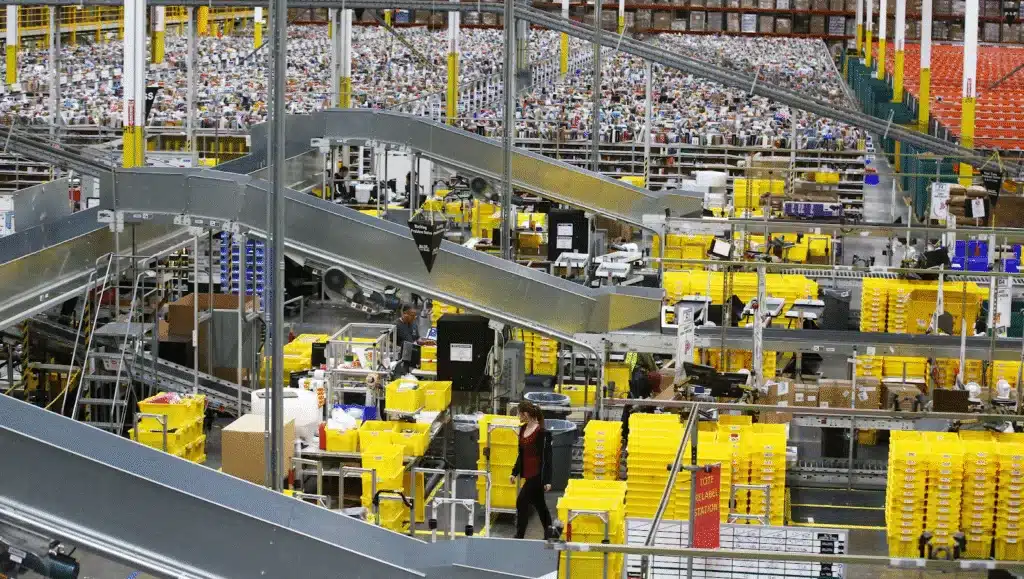
Inspection Workflow Diagram
The inspection process is a well oiled machine whereby at the factory, the first batches are received upon which initial checks are made. Thence to the China warehouse receiving bay-unloading and recording to indicate any transit damage as early as possible.
Then, the QC framework inspection came into play: Team after team checks the physical quality (durability tests), packaging quality (poly bag seals), quantity (count verifications) and Amazon specifics (barcode scans). In case of flaws, it goes to rework-on site adjustments, then rework, re-checks till clear.
After FBA prep verification, labels are applied, bundles are assembled, and cartons are validated for weight, contents, and SKU compatibility. The shipment can then be approved for dispatch to FBA with tracking in place to ensure a smoother transition. This inspection-to-shipping workflow supports sellers who need to replenish inventory to Amazon FBA from China while reducing bottlenecks and preventable inbound errors.
Expert Recommendations
Always combine sample-level spot checks with random batch audits; sampling 20% can identify defects without overwhelming operations. Do not rely solely on suppliers to apply FNSKU labels, as they may not use Amazon-specific standards. Evaluate QC capability, compliance experience, communication, and workflow transparency when deciding how to choose the right FBA prep service provider in China.
Accuracy of Amazon- do it internally or through reputable 3PL.
Create audit variant tables: Have columns of color, size, and accessories so that there are no swaps. Subjectivity should be eliminated by using standardized QC acceptance criteria – pass/fail thresholds of defects.
Keep written preparation guidelines: Photographs and specifications of each trapping show teams, which minimizes inconsistency. Trace shipment pattern trends – spot trends, such as stitching problems that keep on recurring to mount pressure on suppliers.
Conclusion
Checkbox is not inspection: it is the protector of your integrity in your supply-chain, the one that identifies the dangers that are likely to blow up your presence in Amazon. By making these checks the priority, you save the cost of ownership, both through prevented rejections and reduced returns, and create a leaner and more resilient operation.
In the future when Amazon focuses more on the inbound in 2026, strong upstream inspection will be your competitive moat, avoiding derailments that push other away. It is the foundation of the long-term success, as it can convert the perceived weaknesses into the strengths that are going to safeguard your brand and lead to long-term development.
1 thought on “What to Check During Product Inspections Before Shipping to Amazon”
Pingback: How Much Does Amazon FBA Prep Cost? Full Cost Breakdown for Sellers