Replenishing Amazon FBA inventory from China is a fine line to walk–do it correctly and you can avoid stockouts, reduce expenses, and improve seller performance. Poor planning can lead to emergency air shipments that erode margins or bare shelves that lose the Buy Box. Our Amazon fulfillment services from China include sourcing, inspections, warehousing, FBA prep, and logistics to help sellers manage this workflow. Our China-based setup provides tailored support, including sourcing raw materials or finished products, 30 days of free storage, state-of-the-art warehousing, free API docking for smoother shipping, and one-stop shipment tracking so you can focus on growth while we handle the details.
The success of the replenishment is determined by demand prediction, China stock buffering, prep, and clever shipping decisions. This eliminates the risk of overstock charges in FBA (such as long-term storage costs such as 3.63 per cubic foot 271-365 days) and provides stable income. By 2026, when Amazon will terminate in-house prep, it will rely on a sound China workflow to remain compliant and efficient.
In the absence of a system, the sellers will be squandering money in quick freight or disposing of unsold inventory. In China, proximity offers fast solutions and it is the smart place to be in terms of replenishing.
Rapid overview list of successful replenishment procedures:
- Forecast based on sales data.
- Buffer in China warehouse.
- Inspect quality.
- Complete FBA prep.
- Choose shipping method.
- Create inbound shipment.
- Integrate APIs for alerts.
- Track progress.
- Maintain calendar.
- Avoid common pitfalls.
How to Replenish Inventory Effectively
The workflow of replenishment in China begins with the production in your supplier at the location, and then go to a nearby warehouse to perform buffering and prep before being shipped to FBA warehouses. Major stages: Forecast to determine amounts, check and prepare to be ready, choose freight to end up with speed and cost, and monitor to be sure of arrival on time.
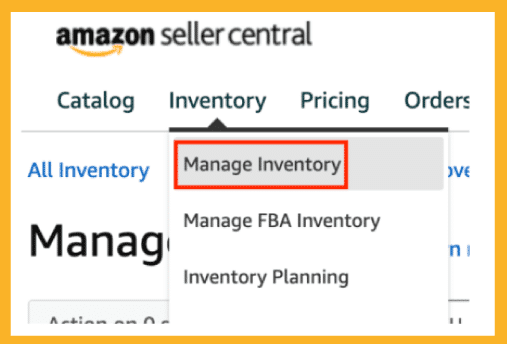
Planning ahead helps prevent stockouts that cause lost sales and lost rankings, while also avoiding unnecessary replenishment that increases FBA storage costs. Learn how to prevent Amazon stockouts with a China warehouse by combining buffer inventory, faster prep, and better inventory visibility. Make data-driven decisions with tools such as Seller Central analytics.
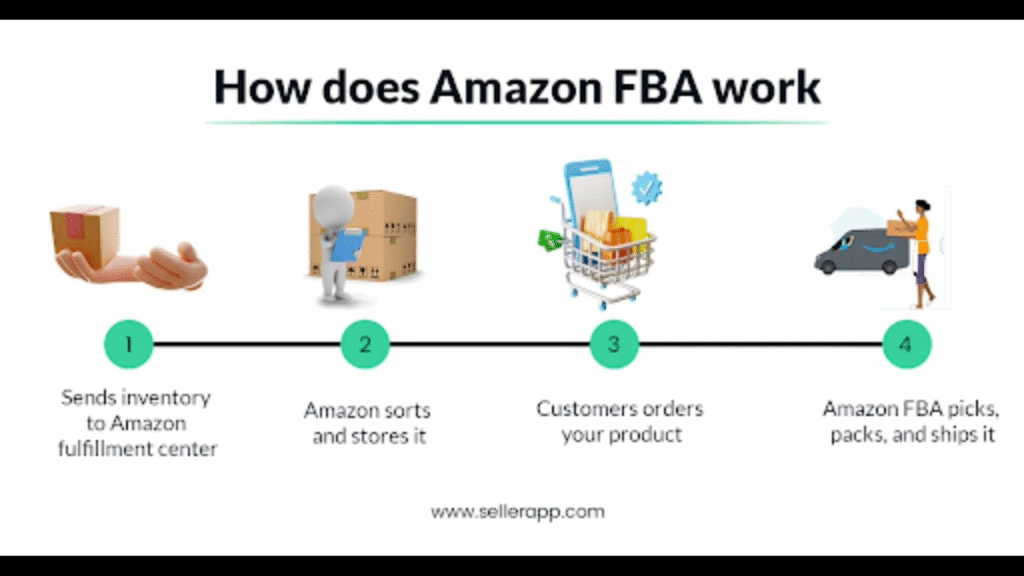
Unsystemed sellers are likely to pay an exaggerated price on express delivery or there will be some type of emergency. It is done through a systematic method and in particular the use of China warehouses to maintain low costs and inventory.
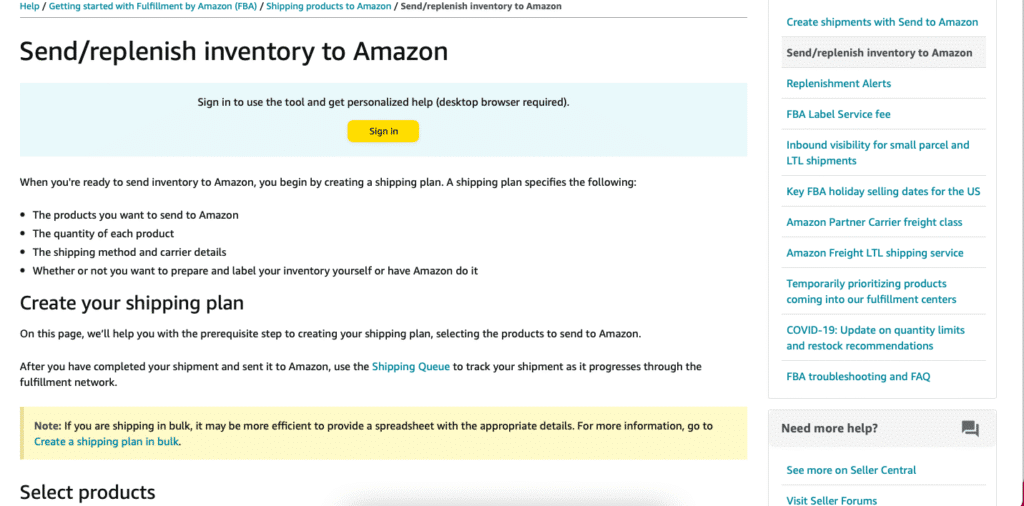
Forecast Inventory Based on Sales Demand
Begin with data – Reexamine historical sales in Seller Central, including seasonality such as highs in Q4 or Prime Day. The SKUs that sell fast require a higher safety stock (20-30% buffer) to meet the lead times in China which may take 20-40 days by sea.
Wrong forecasting? You hurry deliveries of air, which is more expensive, or run out of stock, which is detrimental to metrics. Know the restock of Amazon limits- according to sales velocity not to overstock.
Pro tips: Trends with tools such as Jungle Scout; 30-60 days in FBA. Our API-integrated forecasts have assisted our clients in reducing emergency by 50 percent.
Keep Buffer Inventory in a China Warehouse
In China, buffer stock is a kind of safety net-have extra inventory that goes into stock after production, and is not linked to FBA space.
Why is this ideal? China warehousing can be more cost-effective than U.S. storage, and we offer 30 days of free warehousing where you can stock and stage inventory before sending only the quantities you need. This approach can help sellers reduce Amazon FBA storage fees with a China warehouse and avoid long-term storage penalties on slow-moving products.
Stops Amazon overstocking, where charges are high in Q4. Here before FBA send, consolidate with numerous suppliers, e.g.
Conduct Quality Inspection Before Replenishing
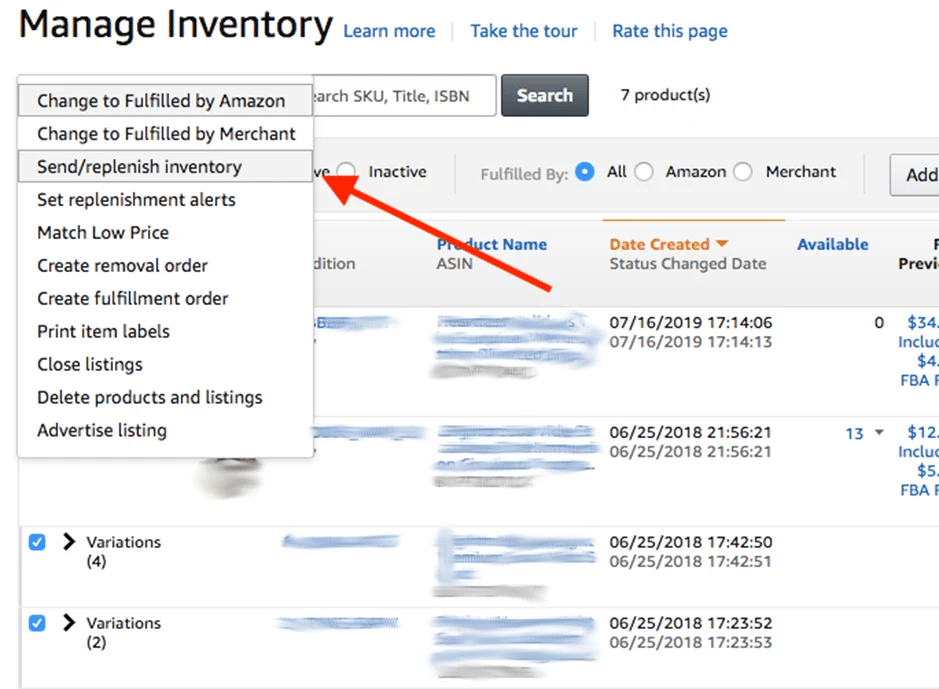
Check inventory in China to identify defects early, such as wrong colors, missing parts, or damage, before expensive international shipping. Review what to check during product inspections before shipping to Amazon to build a more reliable pre-shipment QC process.
Avoids FBA rejection and returns, which slap your score. On-site repairs are less expensive because they are conducted at close proximity to factories.
Checks the accuracy of preps, such as labelling. In BM Supply Chain, 90% of problems are caught through our QC which cuts the returns made by clients by 25%.
Complete FBA Prep in China
FBA prep in China can include bubble wrapping fragile products, applying required warning labels to poly bags for soft items, labeling sets as “Sold as Set,” and preparing cartons correctly. Professional Amazon FBA prep services help ensure these activities are completed before inbound shipping.
Why cheaper/faster? Lower labor, bulk materials. Do not prep U.S. premiums after 2026.
We deal with end to end, meaning that we comply to reduce delays.
Choose the Best Shipping Method for Replenishment
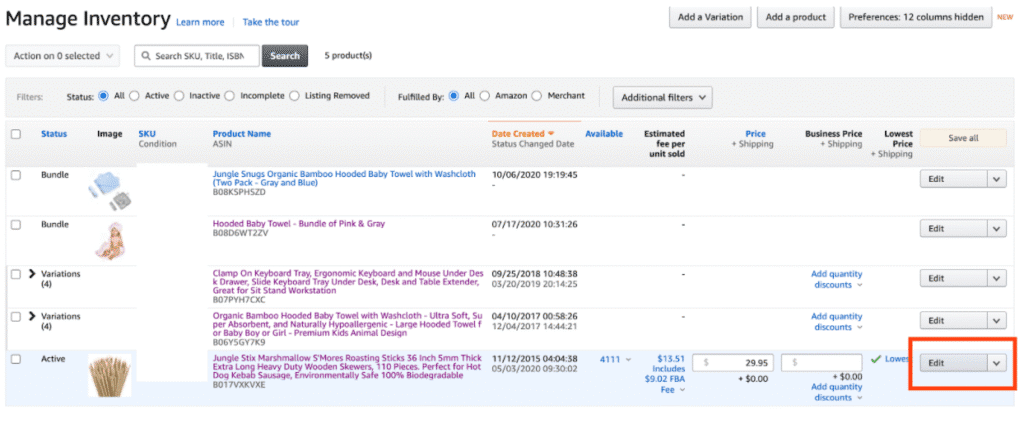
Select the shipping method based on urgency, shipment volume, product characteristics, and your target delivery date. Compare the best shipping methods from China to Amazon FBA before finalizing a replenishment plan.
Air Freight (For urgent replenishment)
5-10 days, reliable for restocks. Most suitable in high-velocity goods–stable and more expensive.
Sea Freight (For heavy or planned replenishment)
20-40 days, cost-efficient for bulk. See big with small LCL, big with small FCL plan ahead.
Express Couriers (For small restock quantities)
3-7 days through DHL/UPS, ideal to use on samples and also expensive.
DDP Shipping (Most popular for Amazon sellers)
All-including, duty paid -air/sea variants. Foreseeable, makes traditions easier–best to the majority.
Recommendation: Sea planned, air alerts–factor lead times.
Create Amazon FBA Inbound Shipment Accurately
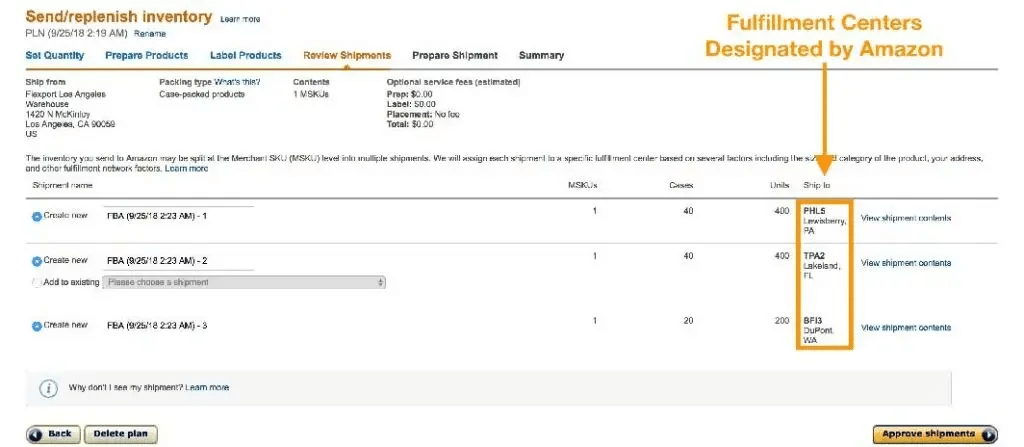
Enter carton information, including dimensions and weights, in Seller Central to create accurate inbound shipment plans. Follow the full process to ship products from China to Amazon FBA and avoid preventable inbound delays.
Create box labels and submit box content information to prevent holds. Review the carton labeling requirements for Amazon FBA and check every label twice to avoid scanning and placement errors.
This is in accordance to FBA regulations, haste check-in.
Use API Integration for Faster Replenishment
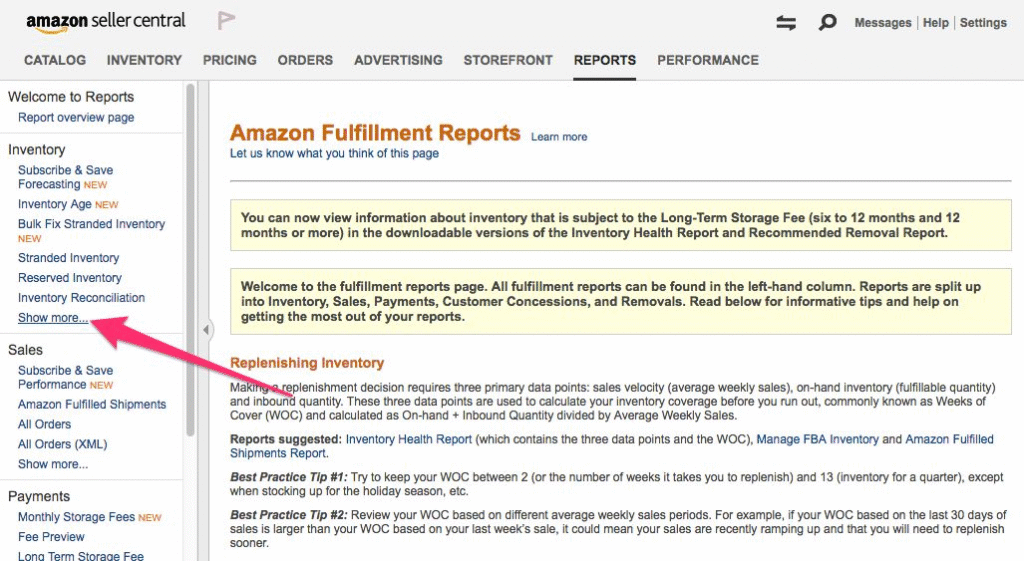
APIs provide automatic synchronization, low-stock alerts, and real-time inventory updates. Learn how API integration improves Amazon fulfillment speed by reducing manual work and helping sellers act on replenishment needs earlier.
Rapid compared to manual- integrate with our WMS to ensure smooth alerts, avoiding emergencies.
More efficient prediction through linked tools.
Track Shipment Progress Closely
Follow through forwarder tools or our one-stop queries – China departure to FBA arrival.
Alert on delays; adjust plans. Keep levels through scheduling of check in (1-2 weeks average).
Maintain a Replenishment Calendar
Arrange weekly/bi weekly according to velocity– more frequent with fast-sellers.
Predict sales such as Prime Day–3-4 months of inventory before.
Simple illustration: Week 1: Forecast/review. Week 2: Order/inspect. Week 3: Prep/ship. Week 4: Track/arrive.
Do not work at the last minute.
Avoid Common Replenishment Mistakes
- Shipping late: Stockouts–predict well.
- Shipping excessively: Warehouse charges–apply buffers.
- Carton size wrong: Rejections–check compliant.
- Missing labels: Holds- check twice.
- Supplier prep mistake- Use 3PL.
- None: Parts- Quality- Check premature.
- Dependence on FBA: High fees in China.
- Excessive use of air freight: Prices skyrocket-sea bulk.
- None of the alerts: Surprises–API integrate.
- Disregard of events: Calendar plan–shortages.
Prevention requires a structured workflow, reliable tools, and consistent checks at every stage. Review these common Amazon FBA prep mistakes to avoid packaging, labeling, carton, inspection, and timing errors that can disrupt replenishment.
Why China-Based Fulfillment Centers Improve Replenishment Speed
China-based fulfillment centers can accelerate operations because they are close to suppliers and can move inventory into inspection, prep, and shipping workflows quickly. Discover why more Amazon sellers use China fulfillment centers for faster preparation, more flexible inventory control, and lower operational costs.
Inexpensive prices permit buffers, the professional preparation guarantees adherence.
Liquidation brings factories together; warnings remain vigilant.
Reduced stockout risk by effective working processes.
Full Replenishment Workflow Example (China → FBA)
- Supplier completes: Goods completed.
- Warehouse moves: Buffer, inspect.
- QC: Check defects.
- FBA prep: Label, bag, bundle.
- Choose method: Sea for bulk.
- Pack cartons together: Compliant labeling.
- Send shipment: DDP to FBA.
- Check-in: Track receipt.
This flow which we control reduces lead times.
FAQs
- What is the frequency of replenishing Amazon FBA inventory? Based on velocity–aim 30-60 days.
- Is it cheaper to be replenished in China or in the U.S? China–lower costs, proximity.
- Is it possible to prepare FBA in a China warehouse? Yes–full compliance.
- What do I do to avoid Amazon stockouts? Forecast, buffer, alert.
- What is the amount of buffer inventory that I should maintain? 20-30 safety stock.
- Is it better to utilize air freight or sea freight in replenishment? Air urgent, sea planned.
Conclusion
Proper replenishment improves Amazon performance through efficient stock management, lower costs, and fewer operational pitfalls. Prepare inventory correctly, ship strategically, forecast demand, and maintain buffer stock in China. A step-by-step approach supports more reliable results; to coordinate your workflow with BM Supply Chain, request a replenishment and FBA prep quote.
2 thoughts on “How to Replenish Inventory to Amazon FBA from China Effectively”
Pingback: How a China Warehouse Helps Prevent Amazon Stockouts (2026 Guide)
Pingback: What to Check During Product Inspections Before Shipping to Amazon (2026 Quality & Compliance Guide)